REVIEW · SEDONA
Sedona Stargazing Tours LLC
Book on Viator →Operated by Sedona Star Gazing · Bookable on Viator
The night sky gets real close here. I love the GPS auto-position telescopes that help lock onto planets and show details like Saturn’s rings, and I love the laser-guided constellation explanations that turn scattered stars into a clear sky map. The main catch: you need good viewing conditions, and winter cold (plus clouds or a bright moon) can affect what you see.
This is a 1-hour-15-minute, private-style stargazing stop from the Sedona area, built for real looking, not just standing around. You bring your questions, and the guides work the sky in a way that’s easy to follow—especially when the telescopes are doing the heavy lifting.
If you want a cozy evening with high-impact moments (planets, the Moon, and deep-sky targets) without committing to an all-night observatory trip, this is a strong pick.
In This Review
- Quick hits: what makes this tour worth your evening
- Oak Creek dark skies: why Sedona nights feel different
- What $89 buys you for 1 hour 15
- Meeting at Verde Valley School: how the night starts
- Laser pointer sky map: the fast orientation phase
- GPS auto-position telescopes: the main event
- Wide-view binoculars and comfy chairs: no one gets left behind
- What you can actually see: planets, Moon, galaxies, nebulae
- The guide experience: why it feels personal
- Weather and moonlight: the biggest factor you can’t control
- Price vs value: when it’s a bargain and when it feels pricey
- Who should book this stargazing tour
- A practical packing checklist for your night under the stars
- Should you book Sedona Stargazing Tours LLC?
- FAQ
- How long is the stargazing tour?
- Where do I meet for the tour?
- How much does the tour cost?
- Is this a private tour?
- What language is the tour offered in?
- What viewing tools are included?
- What kinds of objects can you see?
- What if the sky conditions are poor?
- What’s the cancellation window for a full refund?
Quick hits: what makes this tour worth your evening
- GPS-guided telescope aiming helps you find planets, stars, and distant deep-sky objects faster
- Laser pointer constellation mapping gives you fast orientation before the telescope rounds
- Wide-view binocular time keeps you comfortable while others take turns at the eyepiece
- Warmth is planned: chairs plus blankets show up for winter nights (and reviews mention parkas too)
- Strong guide energy: names like Wes, Dave, Richard, and Mr. Sanders show up in great reviews
Oak Creek dark skies: why Sedona nights feel different

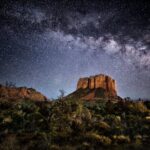
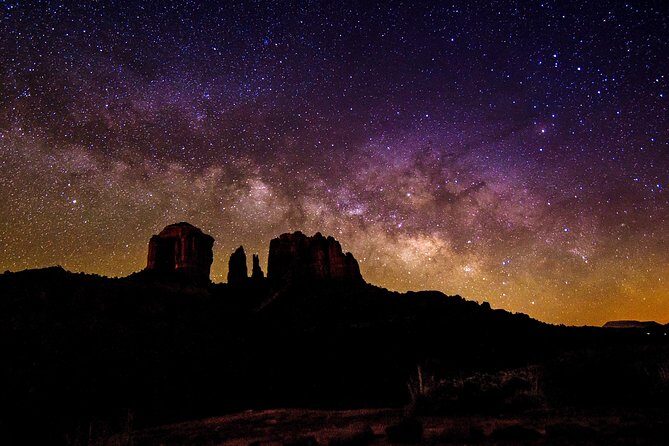
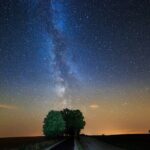
Sedona is famous for its red rocks and sunsets, but the real magic hits after dark. This experience takes you into darker sky conditions outside Sedona, in the Oak Creek area, where stargazing actually has room to breathe.
That “darker” piece matters. Stars and faint galaxies don’t care about your travel plans. If the sky is washed out by clouds, smoke, or a bright moon, the show changes fast.
Other stargazing and night sky tours in Sedona

What $89 buys you for 1 hour 15
At about $89 per person for roughly 1 hour 15 minutes, you’re paying for three things: expert-led pointing, serious viewing gear, and a guided rhythm that keeps everyone engaged.
A key value point here is that it isn’t just a lecture. You get telescope time, binocular time, and quick constellation orientation so you can understand what you’re seeing instead of only staring.
One reason it can feel expensive if you compare it to a short walk-and-look experience: you’re funding setup, equipment, and guide time. If you’re the type who expects the Milky Way to look like a photo every night, be aware conditions can swing.
Meeting at Verde Valley School: how the night starts
You meet at 3511 Verde Valley School Rd, Sedona, AZ 86351. After you arrive, the group gathers at the observing area near Oak Creek for the pre-sky briefing.
From there, you’ll get your bearings with a laser pointer overview of constellations. That first step helps you recognize the “where am I looking?” part quickly, so telescope time feels rewarding instead of random.
A small timing reality: check-in can shift with sunset and observing conditions. I’d plan to arrive a bit early so you don’t rush the first part of the night.
Laser pointer sky map: the fast orientation phase
Before the big telescopes come out, your guide points out constellations with a laser. This matters more than it sounds, because it creates a mental map you can reuse.
In the reviews, you’ll see people mention the laser pointer specifically, and that tracks with why it works: it lets you follow along in real time. You stop asking where the guide is looking, and you start understanding how the sky “moves” from your perspective.
This also sets up the customization angle. If you have specific interests—planets, zodiac constellations, or general astronomy basics—you can often steer the night toward what you care about.
GPS auto-position telescopes: the main event
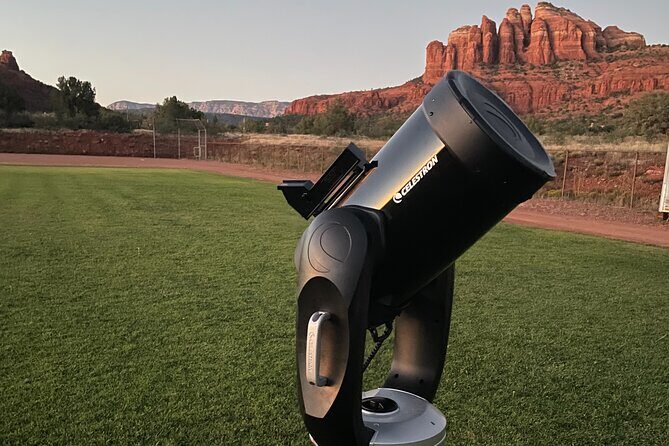
The heart of this tour is telescope time. You take turns using large, powerful telescopes with GPS auto position, which helps aim accurately at targets in the night sky.
GPS aiming is a practical advantage. Even with dark skies, the difference between finding something and missing it can be seconds. Auto-positioning keeps the viewing flow smooth so you spend more time at the eyepiece and less time hunting.
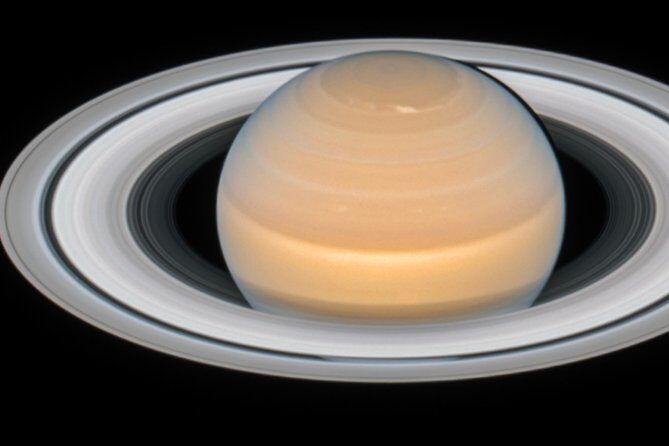
Reviews repeatedly highlight telescope quality and clarity. People especially remember seeing Saturn—rings and a moon—clearly, which is exactly the kind of “wow” that makes the equipment worth it.


Wide-view binoculars and comfy chairs: no one gets left behind
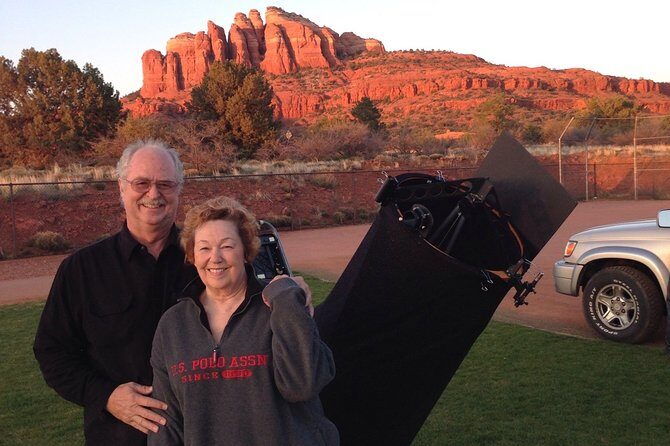
Between telescope turns, you’re not stuck waiting in the dark. You get wide-view binoculars and a comfortable chair so you can keep looking at the sky while others rotate through.
This is a smart setup for mixed groups. If you’re traveling with kids, older adults, or anyone who gets cold easily, chairs and binoculars keep everyone included even when the telescope line is moving.
You also get a real rhythm: orientation with a laser, hands-on telescope viewing, then binocular looking at whatever the guide points out next. That pacing makes it easier to stay focused for the full 1 hour 15 minutes.
What you can actually see: planets, Moon, galaxies, nebulae
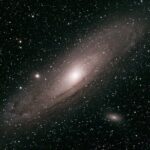
This tour aims for a range of targets: planets, stars, and distant galaxies, plus objects like nebulas and star clusters. What you see depends on what’s up in the sky that night and how clear it is.
The strongest highlight signal in reviews is Saturn. People mention Saturn’s rings and a moon with unusually clear views through the telescope. You should also expect the Moon to be on the list often, since it’s usually bright enough to show details when conditions cooperate.
If you’re hoping for deep-sky views, manage expectations. Through a telescope, “faint” can still be beautiful, but it won’t replace a dark-sky observatory night under perfectly clear conditions.
The guide experience: why it feels personal
The tour is described as fully customizable and private for your group, and the guide style shows up in the feedback. Names like Wes, Dave, Richard, and Mr. Sanders come up in positive reviews for clear explanations and keeping the viewing fair.
A detail I really like here is that the guides don’t just point once and move on. They guide the process so you’re looking at the right thing and you know what you’re seeing—especially during the constellation overview and the telescope rounds.
If you’re the type who likes asking questions, this format supports it. You can ask what you’re seeing, where to look next, and what the guide is targeting as the night progresses.
Weather and moonlight: the biggest factor you can’t control
This is a good place to set your own expectations. Stargazing is weather-dependent, and even “light cloud cover” or a bright moon can limit what’s visible.
That doesn’t mean nothing happens. Reviews mention times when clouds and moonlight still allowed them to see a lot. Still, if you’re paying to see faint galaxies and a crisp star field, you’ll want the sky to cooperate.
Also, remember winter cold is real in the Sedona area. Bring layers. And if you booked in colder months, you can expect warmth support: multiple reviews mention blankets, and some mention parkas provided by the team.
Price vs value: when it’s a bargain and when it feels pricey
This tour isn’t cheap for an hour and change, but it’s not an expensive “sit and watch” gimmick either. The value is strongest when the sky is clear and the guide can fully run the telescope targets.
Here’s when you’ll feel you got your money’s worth:
- You care about real planet and Moon viewing, not just general sightseeing
- You want help finding targets instead of guessing
- You appreciate warmth and comfort built into the format
- You like learning enough to recognize what you’re seeing next time
Here’s when you might feel it’s pricier than expected:
- The sky is too bright or too cloudy, so targets look fewer or less dramatic
- You expected a spectacular view every minute regardless of conditions
- You mainly wanted casual stargazing without structured guidance
Who should book this stargazing tour
This fits best if you fall into one of these groups:
- Families who want a kid-friendly astronomy night with telescopes and a comfortable setup
- Couples who want a memorable Sedona evening that’s different from hiking or restaurants
- Solo travelers who enjoy guided interpretation and don’t want to figure out constellations alone
- Anyone curious about astronomy basics who also wants hands-on looking
If you’re an experienced observer with your own gear, you might find the guided approach limiting. But for most people, the mix of orientation, telescope time, and easy-to-follow guidance hits the sweet spot.
A practical packing checklist for your night under the stars
Your comfort directly affects how much you enjoy the experience.
Plan for:
- Warm layers (especially if you’re going in colder months)
- Something to cover your hands and ears if you run cold
- Closed-toe shoes suitable for evening conditions
- A small flashlight with red light if you prefer it (not required, just helpful)
Even though blankets are mentioned in reviews, you’ll still want your own layers. The goal is to feel comfortable enough to keep looking, not to rush back to warmth every five minutes.
Should you book Sedona Stargazing Tours LLC?
I’d book if you want a guided night sky experience with real telescope viewing and a clear plan for learning what you’re seeing. The combination of laser-guided constellation orientation, GPS-aimed telescopes, binocular time, and the cozy chair setup makes this a strong use of a night in Sedona.
I’d hesitate only if you’re traveling during a period when clouds and moonlight are likely to dominate, or if your priority is purely dramatic, photo-level views no matter what. In that case, consider booking with flexibility in mind and dress as if it will be cold.
If you do book, lean into the interactive side: ask questions, request what you want to see, and take your turn at the eyepiece. That’s where the night pays off.
FAQ
How long is the stargazing tour?
It runs about 1 hour 15 minutes.
Where do I meet for the tour?
You meet at 3511 Verde Valley School Rd, Sedona, AZ 86351.
How much does the tour cost?
The price is $89.00 per person.
Is this a private tour?
Yes. It’s a private tour/activity, and only your group participates.
What language is the tour offered in?
The tour is offered in English.
What viewing tools are included?
You’ll have a comfortable chair, wide-view binoculars, and access to large telescopes with GPS auto position.
What kinds of objects can you see?
The tour is designed to help you view planets, stars, distant galaxies, nebulas, and star clusters.
What if the sky conditions are poor?
The experience requires good weather. If it’s canceled due to poor weather, you’ll be offered a different date or a full refund.
What’s the cancellation window for a full refund?
You can cancel up to 24 hours in advance for a full refund. Within 24 hours of the start time, refunds aren’t available.