REVIEW · SEDONA
Sedona: Nighttime UFO & Stargazing Tour
Book on GetYourGuide →Operated by Sedona UFO Vortex Food Tours · Bookable on GetYourGuide
Look up: Sedona’s sky turns weird. This Nighttime UFO & Stargazing Tour in Sedona leans into the fun contrast between what you see with your own eyes and what shows up fast through 3rd generation night vision goggles. Your UFO guide then helps you track flashing lights and moving “unidentified” objects above the mountains, with lots of sky talk along the way.
I really like the small group setup (limited to 4 participants) because it keeps the vibe calm while you’re staring straight up. I also like that the operator states you do not have to share a goggle and that pricing is discussed as per goggle rather than per person, which matters a lot when night-vision access is the whole point.
One thing to consider: it runs after sunset, so you’ll want real cold-weather clothing, and you may be staged in a location where cars and other people can be around. The tour can also get canceled if clouds roll in too much.
In This Review
- Key things worth knowing before you book
- What This 1-Hour UFO and Stargazing Tour Really Delivers
- Night Vision Goggles: Why the View Changes Fast
- Your First Minutes: Naked-Eye Stars Before the Gear
- Staging, Parking, and How You’ll Actually Watch the Sky
- The UFO Part: Flashing Lights and Motion Over the Mountains
- Shooting Stars, Satellites, and the Best “Wow” Moments
- Guide Style Makes the Difference (Tom, Mike, John, Gloria, and More)
- Timing and Weather: Sunset Schedules and Cloud Risk
- Price vs Value: Is $160 for an Hour Fair?
- What to Bring (and What to Leave at Home)
- Who Should Book This Tour in Sedona
- Should You Book? My Straight Answer
- FAQ
- How long is the Sedona Nighttime UFO & Stargazing Tour?
- Where does the tour start, and do you get pickup or drop-off?
- What time does the tour begin?
- Is the tour a small group?
- What equipment do you use for stargazing?
- Do you have to share the night vision goggles?
- What should I bring?
- Are food and drinks allowed?
- What happens if the weather is cloudy?
- Is there a cancellation policy?
Key things worth knowing before you book
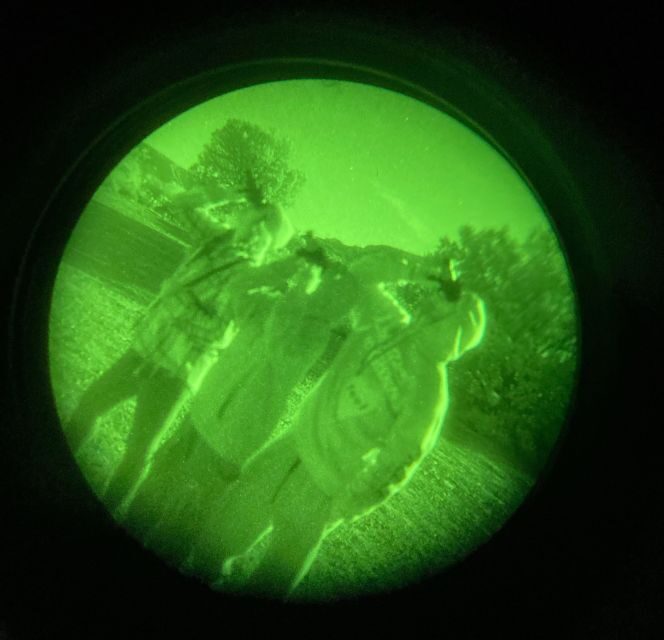
- 3rd generation night vision goggles: the big upgrade from regular stargazing, letting you pick out objects and motion you’d miss naked-eye.
- No heavy group churn: limited to 4 participants, so your guide can actually keep track of what each person is seeing.
- UFO guide storytelling: you’re not just looking at lights; you’re getting the context for what might be happening in the sky.
- Naked-eye first: the tour is set up to start with the “normal” view of stars, then switch to goggles for the comparison.
- Bring warm layers: it’s cold after dark in Sedona, and wind can hit harder than you expect.
- Clear nights make a difference: if you can choose, aim for low-cloud conditions, and if scheduling allows, plan near New Moon for darker skies.
What This 1-Hour UFO and Stargazing Tour Really Delivers
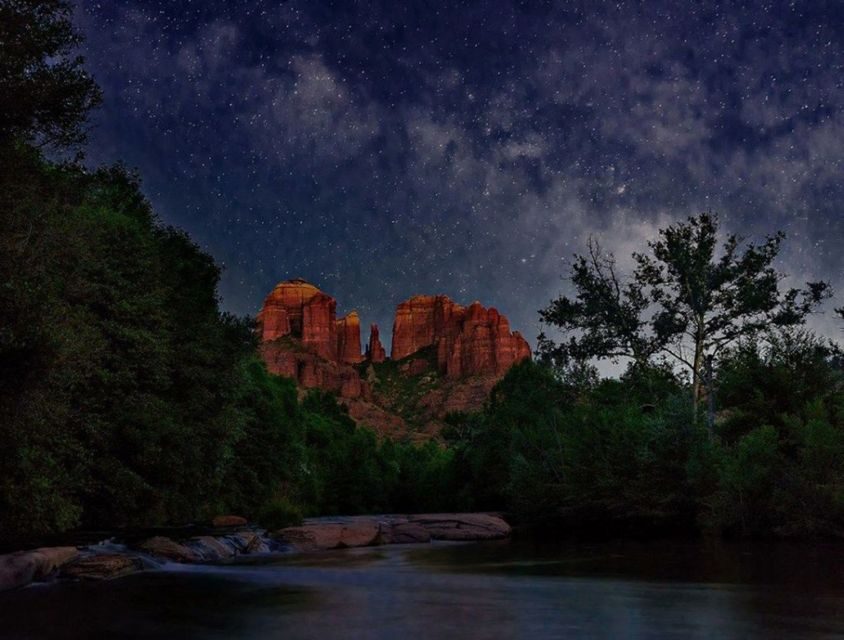
This is a short, focused tour. You don’t spend hours driving or doing multiple stops—you spend about an hour after sunset looking upward, guided step-by-step. The promise here isn’t just “UFOs exist.” It’s that you’ll experience a different kind of night sky perception using night-vision equipment, while your guide explains what you’re seeing and why it stands out.
The best part is how the tour’s structure forces comparison. You start with the sky as your eyes normally read it, then you switch to night vision and the “same” sky looks totally different. I like that because it turns the whole experience into a clear before-and-after lesson in how human vision works at night.
This is also one of those tours where the guide’s tone matters. When a guide is engaged—whether they’re the type who brings facts, photos, or a big dose of alien-story energy—the hour flies by. The reviews consistently point to that mix of star talk and UFO talk, and the pacing stays exciting without feeling chaotic.
Other stargazing and night sky tours in Sedona

Night Vision Goggles: Why the View Changes Fast
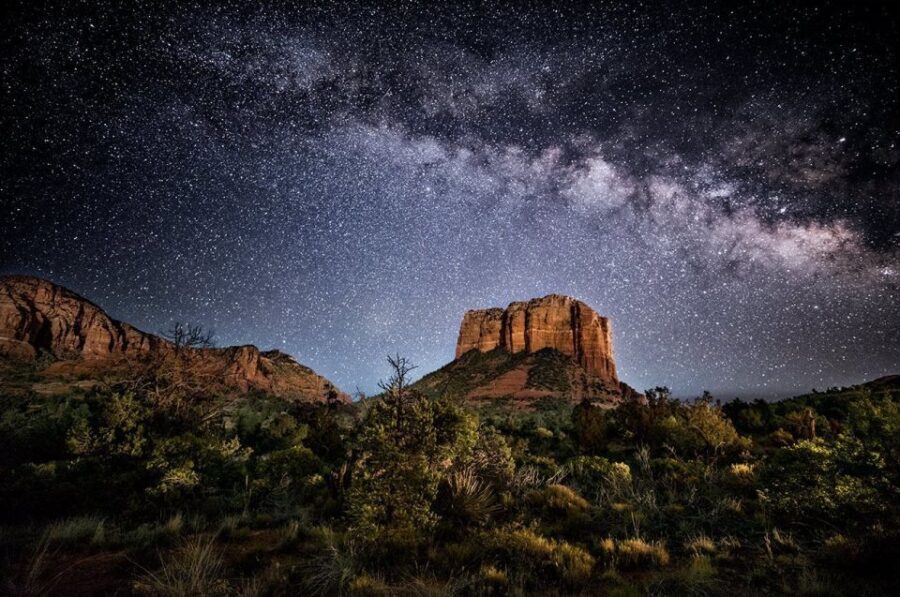
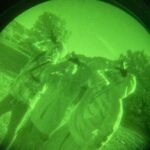
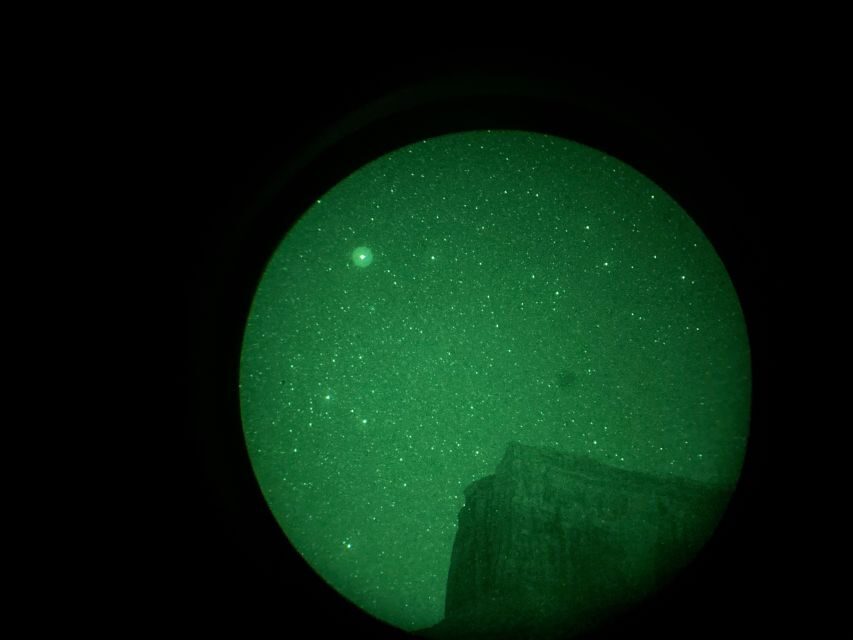
The tour’s core feature is the 3rd generation military-style night vision goggles. That’s not a small detail—it’s the difference between a few bright stars and a sky that looks “filled in,” with faint points and moving signatures showing up more clearly.
Here’s what you should expect from that gear, based on what people report:
- You often see more stars and more satellites than you’d normally notice.
- You can spot objects that seem to move in ways your naked eye would struggle to track.
- You may also see lights that appear to flash, change brightness, or shift position over time.
One review even called out seeing Starlink with the naked eye, then seeing more satellites through the goggles. That’s a good reality check: some “unidentified” things can be explainable satellites, aircraft, or known phenomena—but the equipment still makes the motion and patterns easier to notice.
A practical note: the tour is billed with goggle access being a key part of the experience. The operator states you don’t have to share a goggle, and pricing is described as per goggle. Still, one booking story reported only getting one goggle set for a four-person group. So you should message or confirm what equipment you’ll receive for your party size before you show up. It’s the kind of thing that can turn an amazing hour into a frustrating one if it’s misunderstood.
Your First Minutes: Naked-Eye Stars Before the Gear
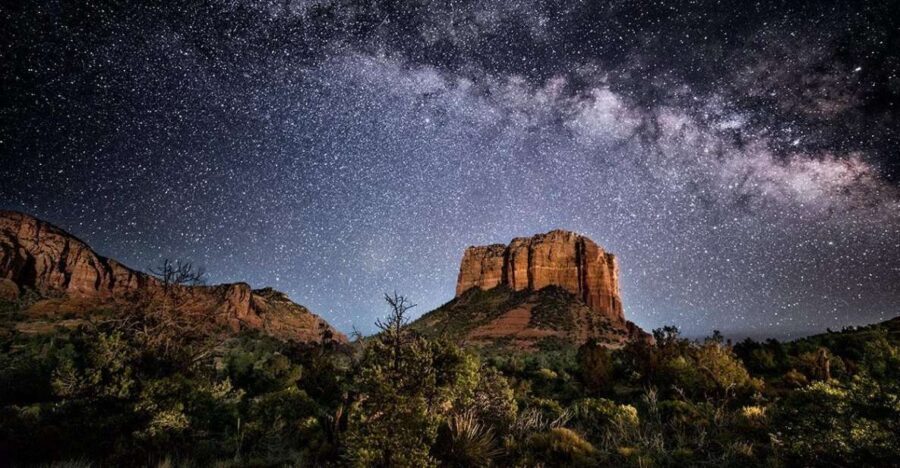
A lot of “dark sky” experiences skip the basics and jump straight into equipment. This one doesn’t. The flow (as described) is: after you meet, you look at the sky with the naked eye first. That matters because it gives you a baseline.
From there, the goggles change the game. People describe a sense of going from a “quiet” sky to a sky where more objects are visible and motion is easier to follow. It also tends to make the guide’s pointing-out easier—you’re not trying to guess where the guide means; you can start comparing what your eyes are missing versus what the goggles show clearly.
If you’re the type who loves learning while you look, this format will feel satisfying. You’re not just staring. You’re watching your perception change in real time.
Staging, Parking, and How You’ll Actually Watch the Sky
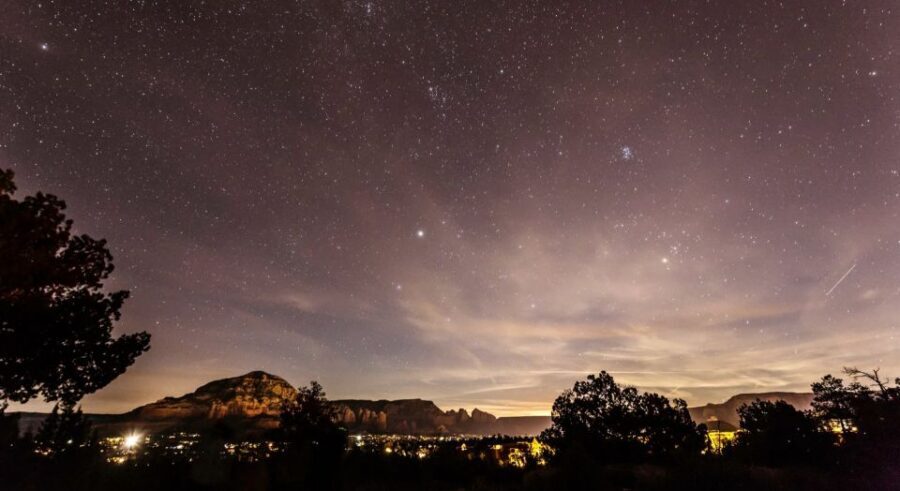
The tour does not include pickup or drop-off, so you’ll handle your own arrival. Your guide sends a text the day before with the exact time and location. That messaging style is important: because the start time shifts depending on sunset, you should watch for that text and plan to be ready at the stated moment.
Some groups report the experience is done in a parking-lot style staging area, with cars nearby. That can affect the experience in two ways:
- Car headlights and nearby movement can be distracting while you’re trying to let your eyes adjust.
- You might want to pick a spot where the most light pollution isn’t hitting you directly.
Other reports mention driving a short distance to a viewing/lookout area in your own car. The safest expectation: be ready to park, gather, and possibly move if your guide directs it. Either way, the tour stays simple. This is not a long hike night tour.
If you hate waiting in the cold with limited space, you may want to arrive early so you’re not rushed once you’re there. Once the sky work begins, it’s mostly stand/sit-and-look time.
The UFO Part: Flashing Lights and Motion Over the Mountains
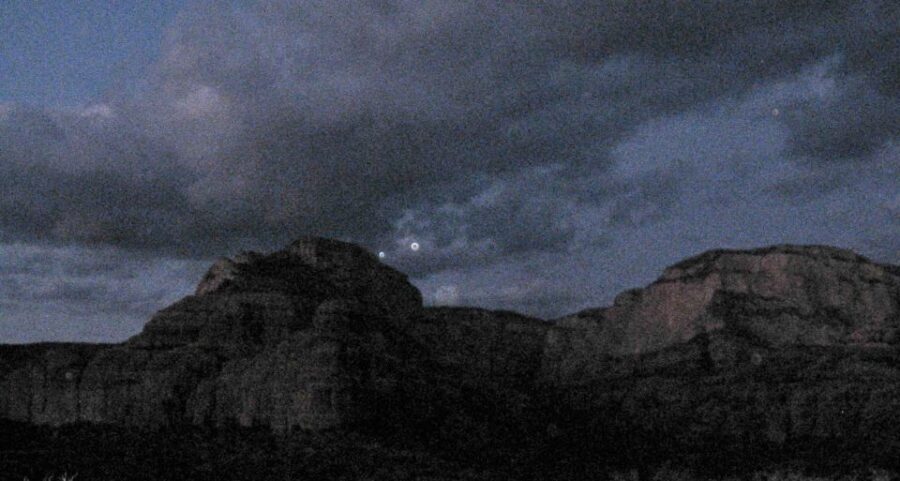
The “UFO” label here is part of the fun, but the tour also spends real effort on tracking what you see. Your guide assists you in monitoring objects that can include:
- Flashing lights
- Objects that seem to change size rapidly
- Lights that move and weave around the mountain backdrop
This matters because it changes how you watch. Instead of staring at random spots, you’re often tracking a moving target. The guide’s job is to help you stay oriented and avoid losing the object as it shifts.
Some tours like this can feel like a guessing game. What I like about this one is that it’s structured enough to keep you following along. Guides often use tools like lasers or screens/tablets to explain what’s happening, plus they share photos as part of their presentation. That extra layer helps you connect “I saw it” with “here’s what it might mean.”
Also: one reason people keep recommending it is how often the hour turns into a string of sightings rather than one lucky moment. Reports range from seeing several objects to mentions of lots of activity within the short duration.
Other UFO tours we've reviewed in Sedona
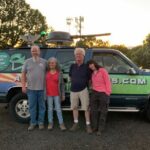
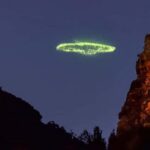
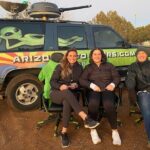
Shooting Stars, Satellites, and the Best “Wow” Moments
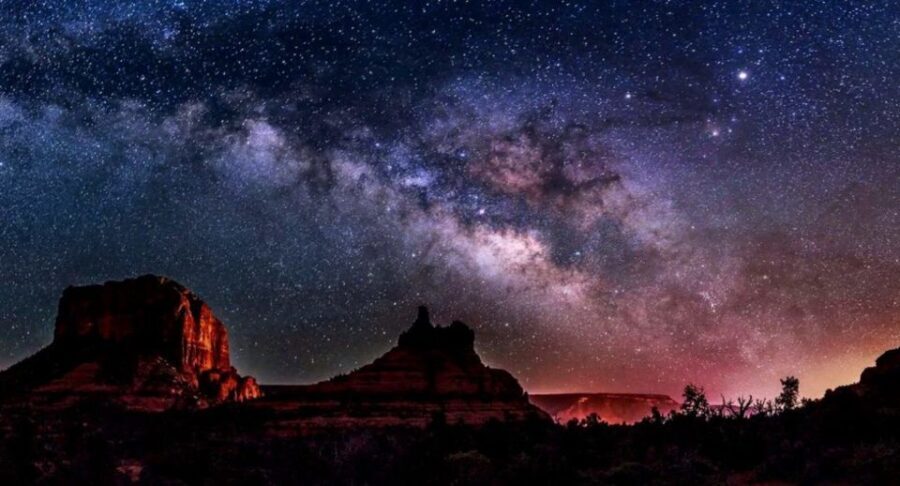
Even if you’re purely chasing the UFO side, the night sky benefits are real. The tour includes star viewing in a way that’s geared toward noticing motion—so you’re likely to catch things like:
- Shooting stars
- Satellites (some visible even without goggles)
- Bright moving objects the guide can help you track
People consistently mention the “game-changer” effect of night vision for picking out satellites and extra stars. And when the night is clear, it can feel like the sky suddenly has depth.
One practical tip: keep your expectations flexible. Some “unidentified” lights can be natural or human-made. But the equipment helps you see patterns and motion more clearly, and that’s what turns the experience into something you’ll talk about later—whether you end up leaning scientific, skeptical, or fully into the alien stories.
Guide Style Makes the Difference (Tom, Mike, John, Gloria, and More)
A big chunk of the experience is how your UFO guide runs the hour. Several named guides show up in past bookings—Tom, Mike, John, Steve, and Gloria—and the consistent theme is that they’re engaged and willing to explain what you’re looking at.
What I’d look for in the guide’s approach, based on these reports:
- They point out constellations and sky features while also hunting for lights.
- They keep the pacing fun so you don’t freeze out of boredom.
- They use show-and-tell tools like a laser pointer, photos, or a tablet.
In the cold, the guide also matters for comfort. One review mentions blankets provided by the guide. That detail sounds small until you’re standing outside with wind in your face for the full hour.
If you’re sensitive to group energy, a guide who jokes and stays upbeat can turn a cold sky-watching session into a memorable night.
Timing and Weather: Sunset Schedules and Cloud Risk
This tour starts after sunset, and the start time changes on a schedule that updates every other week. The operator asks you to contact them on the day of the tour for the exact meeting time—because the real variable is sunset and conditions.
Weather is the other major factor. The tour may be canceled if skies are too cloudy. Since the purpose is seeing objects and stars, you can’t fake clear conditions with enthusiasm.
How you can plan smarter:
- Check the forecast the day of the tour.
- If the operator reschedules or cancels, be ready to pivot quickly.
- Dress for cold and wind even if the day feels mild.
If you get a night that starts partly cloudy and then clears, it can turn into a great outcome. One booking story described exactly that: cloud coverage early, then a perfect ending.
Price vs Value: Is $160 for an Hour Fair?
The listed price is $160 per person, but the operator information also emphasizes that it’s priced per goggle rather than per person. That distinction is why the tour can feel expensive—or like a bargain—depending on how many goggles your group actually receives.
Here’s how to think about value:
- If you get a dedicated goggle set for each participant, the price starts to look more reasonable because you’re paying for the equipment rental plus guided night-sky instruction.
- If you end up sharing when you expected not to, you lose the whole point of night vision access and the value drops fast.
The tour is short—just one hour—so you’re not paying for a long evening of transport or multiple stops. You’re paying for a tight, high-focus experience: dark sky + gear + guide.
A family of four might feel the hit at $160 each, and one review directly mentioned that kids didn’t have a lower rate. If you’re booking with kids, treat it as an option best suited to older kids who can handle cold standing/sitting and who really want the night-vision element.
The bottom line: the tour is best viewed as an equipment-driven experience, not a basic stargazing walk.
What to Bring (and What to Leave at Home)
This is one of the easiest tours to pack for, but don’t underdress.
Bring:
- Warm clothing. Cold and wind can matter more than you expect once the sun is gone.
Leave at home:
- Food and drinks are not allowed.
- Smoking isn’t allowed.
If you tend to get chilly fast, consider layering in a way that lets you move freely. You’ll likely be outside for the whole session and staring upward.
Who Should Book This Tour in Sedona
This tour fits best if you:
- Want a stargazing experience that actually uses night vision equipment rather than just a talk and a telescope.
- Enjoy UFO stories but also want some sky context (constellations, satellites, motion tracking).
- Like small-group activities where you can see what the guide is pointing at without fighting crowds.
You might skip it if you:
- Hate cold weather and don’t want to stand around after dark.
- Expect a high-tech “space museum” style experience. This is very much a field viewing night tour with a simple staging setup.
- Need hotel pickup. There’s no pickup or drop-off included, so you’ll be driving yourself to the meeting location.
Should You Book? My Straight Answer
If you’re excited by night vision and you’re okay with cold, this is a fun way to spend an hour in Sedona—especially on a clearer night. The price feels steep, but the goggles change what you can see, and the guides’ style often makes the hour feel fast and entertaining.
Before you book, do one smart thing: confirm how many night-vision goggle sets your specific group will receive. If you get full access as promised, the value is much easier to justify. If you don’t, it becomes a different experience.
FAQ
How long is the Sedona Nighttime UFO & Stargazing Tour?
The tour duration is 1 hour.
Where does the tour start, and do you get pickup or drop-off?
Pickup and drop-off are not included. Your guide sends a text the day before with the exact time and location.
What time does the tour begin?
It starts after sunset, and the exact start time changes every other week. You’re advised to contact the activity provider on the day of your tour for the exact meeting time.
Is the tour a small group?
Yes. It’s limited to 4 participants.
What equipment do you use for stargazing?
The tour uses 3rd generation night vision goggles to search the sky.
Do you have to share the night vision goggles?
The tour information states you do not have to share a goggle and that pricing is per goggle rather than per person. One past booking reported an issue with goggle access, so it’s worth confirming for your group.
What should I bring?
Bring warm clothing, since the tour happens at night after sunset.
Are food and drinks allowed?
No. Food and drinks are not allowed.
What happens if the weather is cloudy?
The tour may be canceled if the weather is too cloudy.
Is there a cancellation policy?
There is free cancellation up to 24 hours in advance for a full refund.