REVIEW · SEDONA
Stargazing Tour with Telescopes and Video Astronomy in Sedona
Book on Viator →Operated by Night Owl Tours · Bookable on Viator
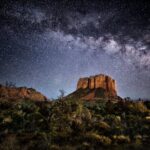
Sedona’s stars look different out here. This small-group stargazing tour takes you away from city glare to USFS dark-sky sites and private ranch land, where Chris (with Kim’s help) guides you through constellations and faint objects using both telescopes and live video. I love that the tour mixes classic viewing with modern 4K OLED TV so everyone sees the sky clearly at the same time.
The other standout for me is the “two-lane” experience: a laser points out what you’re looking at, while camera-equipped scopes stream deep targets in color and detail. One possible drawback to plan for is weather: if clouds roll in or visibility drops, the experience can be limited since it relies on good sky conditions.
In This Review
- Key Highlights Worth Booking
- Away From the City: How the Sedona Dark-Sky Stop Works
- Laser Constellations Meet Real Telescope Time
- What You’ll See: From Milky Way Glow to Faint Galaxies
- The 4K OLED Screen: Why Video Astronomy Changes the Mood
- Timing, Cold Nights, and Uneven Ground Reality
- Price and Value: What $125 Buys in Sedona
- How to Prepare for an Easier First Night Under the Stars
- Should You Book This Sedona Telescoping Video Astronomy Tour?
- FAQ
- How long is the stargazing tour?
- How much does the tour cost?
- What do I actually see during the tour?
- Is the tour limited to looking only through telescopes?
- What’s the group size?
- Does it include a way to keep images from the night?
- What should I bring?
- Is coffee or tea included?
- Is the tour suitable for kids?
- Are service animals allowed?
Key Highlights Worth Booking
- Dark-sky locations on USFS forest land and private ranches, away from Sedona city lights
- Laser-guided constellations with real-time pointing at major sights
- Live video astronomy streamed to a 4K OLED TV so the whole group can follow along
- Large aperture, observatory-class telescopes for crisp views and faint-object hunting
- Small groups (up to 12) for a more personal pace and lots of questions
- Video-gallery images you can save from your session at the end
Away From the City: How the Sedona Dark-Sky Stop Works
This tour keeps things simple: you start and finish in Sedona, then you head to a secluded dark-sky site where lights are low enough for real stargazing. The value here isn’t just that it’s “somewhere quiet.” It’s that you get exclusive access to locations managed by USFS and private ranch land. That matters because a lot of Sedona viewpoints are still too bright for deep sky work.
Once you’re on-site, the group gets set up for the night. A theme in the experience is comfort plus clarity. You’re not standing around in the dark with no plan. The guide helps you get oriented fast, then points out what you should be looking for. On colder nights, you’ll likely appreciate the chairs and warm blankets that are part of the setup, since Sedona desert air can turn chilly after sunset.
Logistically, you’ll want to pay attention to the start time and the meeting instructions. The meeting location is in the Sedona area (and you’ll return there at the end), but the exact spot may not be obvious until close to departure. I’d treat that like part of the experience: read the directions carefully, arrive a few minutes early, and don’t make dinner plans that leave you rushing.
Other stargazing and night sky tours in Sedona

Laser Constellations Meet Real Telescope Time
Here’s what makes this tour feel different from the basic “stand outside and look through one scope” style. You’re guided in layers.
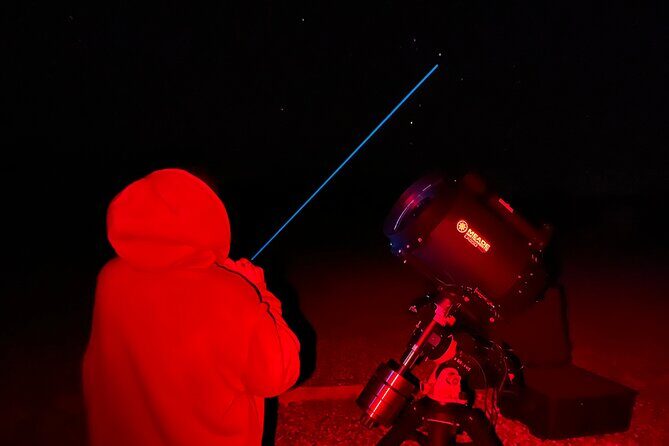
First, the guide uses a laser to trace out the sky—especially the constellations and big seasonal landmarks. The goal is not just to point randomly. It’s to help you connect patterns you already know from maps to what’s actually overhead right now. If you’re new to astronomy, this laser step is a big deal because it reduces the confusion that often kills stargazing fun fast.
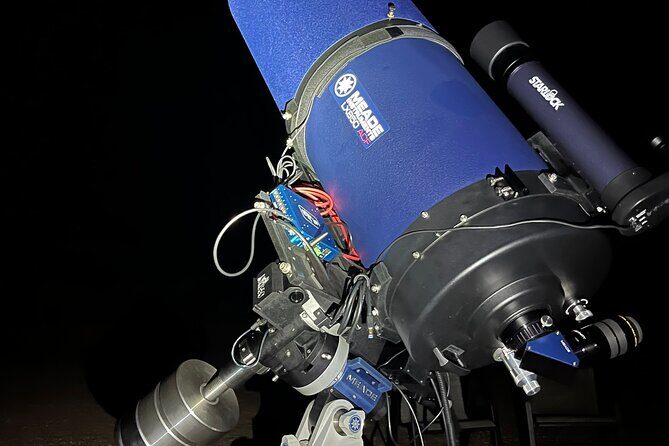
Then comes the telescope phase. The tour uses premium, large-aperture telescopes with strong eyepieces for direct viewing. That’s your chance for the classic wow-moment: planets and bright targets that look sharper than you expect from the backyard. One reason this matters in a small group is that the guide can keep checking where you are, what you’re seeing, and what object is next—so you’re not always moving on blind.
Finally, there’s the camera-and-screen layer. Instead of everyone relying only on tiny eyepieces, the scopes are outfitted with special astronomy cameras that capture faint objects and stream live feeds. That means you can follow along even when your eyes are still adjusting to the dark.
What You’ll See: From Milky Way Glow to Faint Galaxies
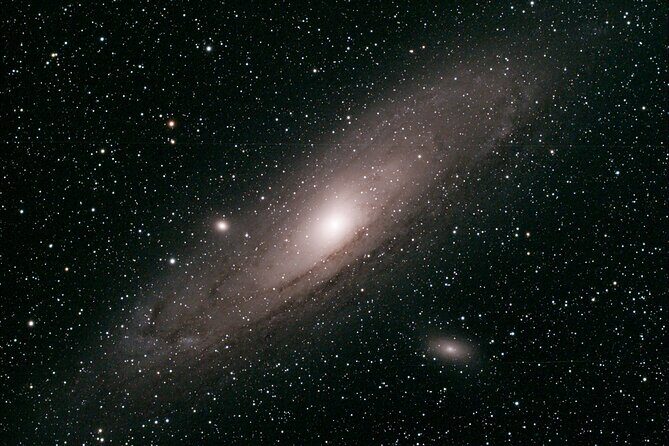
The tour is built around “show me, then teach me,” with a mix of sky objects you can recognize and deeper targets that are hard to find on your own.
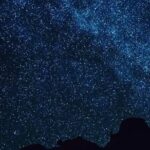
You can expect the guide to cover standouts like the Milky Way, plus planets that are visible from the site during your time window. The tour format also sets you up to watch for things like meteor showers or passing satellites if conditions line up. Even when those are faint or unpredictable, the guide’s job is to explain what to watch for and how to spot it.
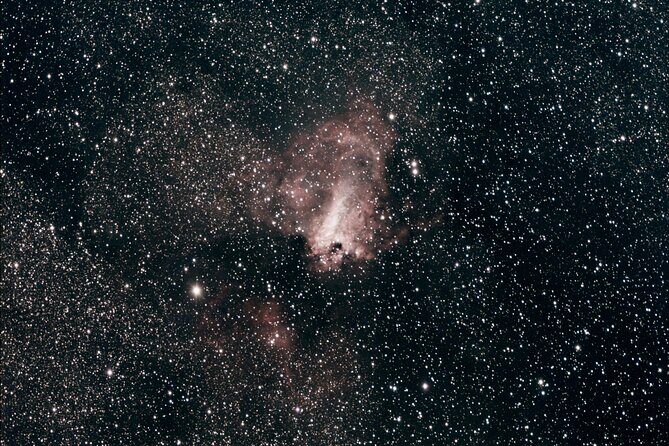
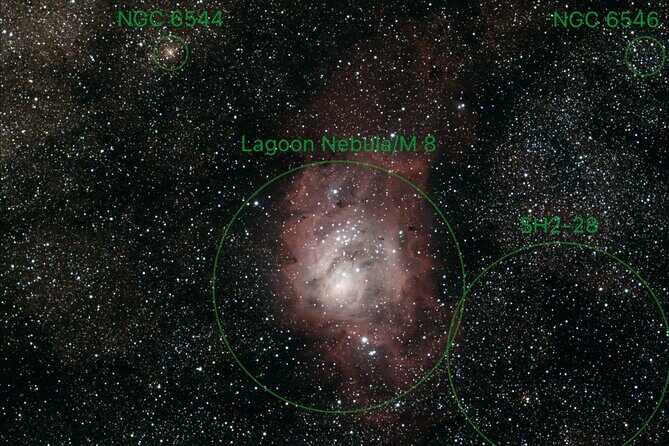
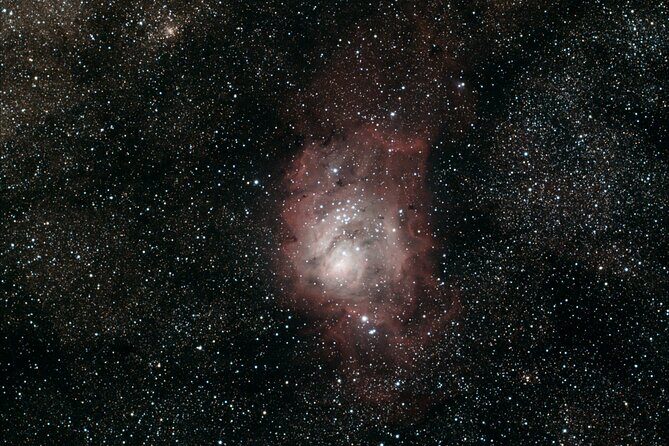
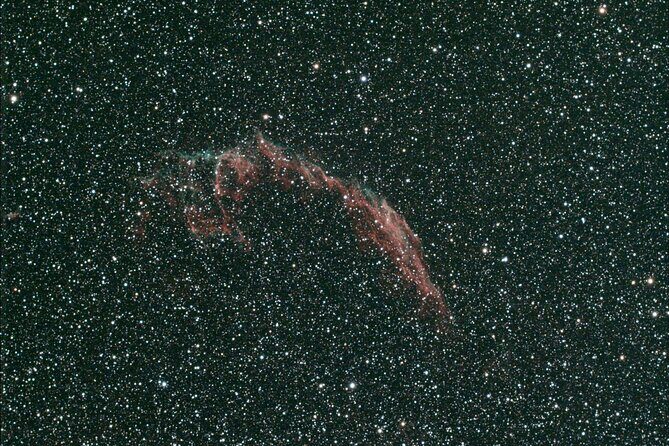
On the deep sky side, the telescopes and video system are meant for galaxies, nebulae, and star clusters. This is where the color and detail of video astronomy really help. With many faint objects, the difference between seeing almost nothing and actually understanding what you’re looking at is exactly the kind of tech bridge this tour uses.
You might notice that some sessions emphasize planets and familiar targets first, then move outward to dimmer objects. Based on the guide style and equipment setup, the second scope is often used to locate the more distant targets, while the presentation on the screen helps the whole group share the view. That hands everyone the same “big picture,” instead of turning it into a one-person-at-a-time experience.
The 4K OLED Screen: Why Video Astronomy Changes the Mood
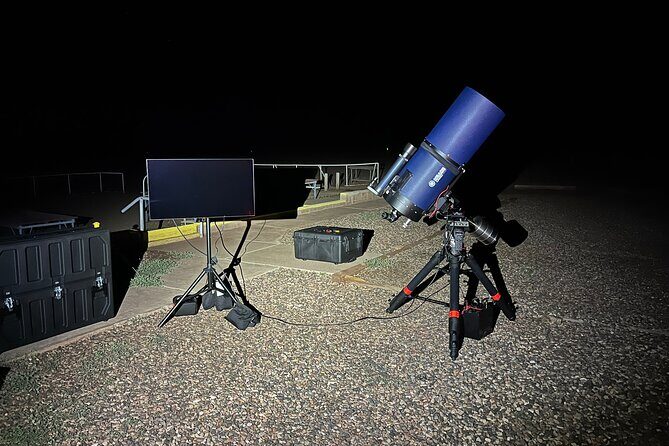
I get why people love classic eyepiece viewing, but I also understand why it can be frustrating in the moment. Faint objects can be hard to detect, and not everyone has the patience for repeated squinting in the dark.
That’s where the tour’s video system wins. Instead of limiting the experience to what’s visible only through eyepieces, the cameras capture live feeds of faint targets. Those feeds stream to a large 4K OLED TV, so you get a clear, shared view.
The practical benefit is simple: if the galaxy is hard to see visually, the camera feed can still show it in extraordinary color and detail. That doesn’t replace learning. It supports it. You can actually match what the guide is explaining—structure, placement, and how to find it again later—with what you’re seeing on the screen.
This also changes how long the tour can hold attention. It’s less of a “wait for your turn” setup, and more of a guided show where you can look, listen, and learn together.
At the end, you also get a chance to save favorite images from the video astronomy session. That’s a real perk if you want something beyond photos you’ll struggle to capture on your phone.
Timing, Cold Nights, and Uneven Ground Reality
The tour runs about 1 hour 15 minutes. That’s long enough to do more than one major object hunt, but short enough that you’re not stuck out there for hours if the sky cooperates and you’re itching to head back.
You should also plan for the physical reality of stargazing sites. This experience may not be a fit for participants under seven years old, and it may be difficult for anyone who has trouble negotiating uneven terrain in low light. That doesn’t mean it’s unsafe—it means you should be honest with yourself about footing and comfort.
In exchange, the setup tends to be considerate. Chairs and blankets show up in the experience so you can stay focused on what matters: the sky. That matters because the best stargazing moments are the ones where you’re not fighting discomfort.
One more thing: weather is part of the deal. The tour requires good weather, and if it’s canceled due to poor conditions, you’ll be offered a different date or a full refund. If you’re planning this during a tight Sedona schedule, I’d still build in flexibility—cloudy nights can happen, even when the days are clear.

Price and Value: What $125 Buys in Sedona
At $125 per person, this isn’t the cheapest thing in Sedona. The value comes from what’s included and how it’s delivered.
You get premium large aperture telescopes, observatory-class equipment, and live streaming video to a 4K display. You’re also paying for dark-sky access—exclusive use of USFS forest land and private ranch locations—so you’re not just paying for a guide, you’re paying to be somewhere the sky actually works.
Add to that the small-group limit (up to 12), and the experience stays personal. In a larger group, star tours often turn into a line. Here, it’s more like an organized night class, with time for questions and object searching.
What’s not included is simple: no coffee or snacks. If you’re the type who likes to settle your nerves before a nighttime outing, bring a plan for food and warmth. Also, dress like you’re going to be outside longer than you think. Blankets help, but desert nights can still bite.
If you’ve been to stargazing events where everyone sees something different, this tour’s shared video approach is a strong value reason. You’re less likely to leave feeling like you missed the best part because you got the wrong scope view at the wrong time.
How to Prepare for an Easier First Night Under the Stars
You’ll get the most out of this tour if you show up ready to focus.
- Dress warmly. Blankets and chairs are provided, but cold weather still affects how long you can comfortably watch.
- Arrive with your phone charged and ready. You’ll likely want to use your saved images afterward, and it helps to keep a flashlight-only if you need it.
- Don’t overplan the rest of your evening. Once the lights go down and the guide starts pointing, it’s easy to lose track of time.
Also, expect that you might not know the exact meeting spot until closer to departure. That’s not a dealbreaker, but it’s a stress reducer if you follow the instructions closely and give yourself a buffer for finding the right place.
The experience is offered in English, and most people can participate. Still, if you’re traveling with someone who struggles with low-light walking or uneven ground, take that seriously before booking.
Finally, remember that this kind of astronomy depends on the sky. Even with great equipment, the real driver is weather. If Sedona’s forecast looks uncertain, it’s worth treating this as a flexible priority, not a rigid one.
Should You Book This Sedona Telescoping Video Astronomy Tour?
If you want one clear answer: yes, I think you should book it—especially if you like learning astronomy while you’re actually watching the sky change in real time.
Book this tour if:
- you’re new to stargazing and want laser-guided orientation
- you want large scopes and a shared view that doesn’t rely on tiny eyepieces
- you care about deep sky objects like galaxies, nebulae, and star clusters
- you want a small-group experience with time for questions
Skip it or reconsider if:
- you strongly dislike cold and uneven outdoor terrain at night
- your schedule can’t handle possible weather-related changes
- you’re expecting a long hands-on workshop. This is guided viewing and learning, not equipment training
Overall, this is a well-built mix of old-school sky pointing and modern live astronomy. When the night cooperates, it’s one of the best ways to see a truly dark sky in Sedona without needing your own telescope setup.
FAQ
How long is the stargazing tour?
It lasts about 1 hour 15 minutes.
How much does the tour cost?
The price is $125.00 per person.
What do I actually see during the tour?
You’ll see constellations pointed out with a laser, and you’ll also view objects like the Milky Way and planets. The telescopes are used to show galaxies, nebulae, and star clusters, and live video is streamed to a 4K OLED TV.
Is the tour limited to looking only through telescopes?
No. The tour also uses special astronomy cameras to stream live video of faint objects to a 4K OLED monitor, so everyone can see the views.
What’s the group size?
The tour has a maximum of 12 travelers.
Does it include a way to keep images from the night?
Yes. At the end of the tour, you have a chance to save favorite images from the video astronomy session.
What should I bring?
The tour provides chairs and blankets, but you should plan for cold nighttime outdoor conditions. Coffee and snacks are not included.
Is coffee or tea included?
No, coffee and/or tea are not included.
Is the tour suitable for kids?
It may not be suitable for participants under seven years of age.
Are service animals allowed?
Yes, service animals are allowed.