REVIEW · SEDONA
City of the Star People Tours
Book on Viator →Operated by Mark Amaru Pinkham · Bookable on Viator
Sedona feels like it has its own soundtrack. This 4-hour tour lines up the views with the stories—rock by rock—and includes short stops with admission at key places. I like the way the route hits big photo-worthy formations like the Great Dragon and then slows down for a real meditation moment. One thing to consider: the tour is talk-forward, so if you want lots of silent time to wander, you may find the pacing a bit “classroom.”
Run by Mark Amaru Pinkham, the experience is designed for small-group attention and you’ll start and finish at Whole Foods in the center of Sedona. You get a mobile ticket, and it’s offered in English with a private format for your group. The best fit is people who enjoy explanations and an open mindset about Sedona’s spiritual reputation.
In This Review
- Key things to notice before you go
- Whole Foods meeting point and a 9:00 a.m. start that works
- Stop 1: Sedona Airport Scenic Overlook and the rock lineup
- Stop 2: Amitabha Stupa and Peace Park meditation in the 6 Pointed Star Temple
- Bell Rock and Sedona’s 7th Chakra: seeing the same place two ways
- Temples, the Court of Masau’u, and the Guardian of Sedona stop
- Sedona Grid vortex sites and the Pleiadian Contact Zone
- Sphinx and Honey Bear: quick stops with a quirky Sedona vibe
- What Mark Amaru Pinkham’s guide style feels like on the ground
- Practical tips to get the most from a 4-hour Sedona route
- Who should book City of the Star People Tours, and who might skip it?
- Should you book this tour with Mark Amaru Pinkham?
- FAQ
- How long is the City of the Star People Tours experience?
- Where is the meeting point for the tour?
- Is this tour private?
- What language is the tour offered in?
- Does the tour include meditation?
- What happens if the weather is poor?
Key things to notice before you go
- Ticketed stops built into the route help you spend less time figuring out access.
- Amitabha Stupa meditation time gives you more than scenic sightseeing.
- Sedona rock formations stay central (Great Dragon, Standing Eagle, Chimney, Ship, Saddle).
- Vortex-and-geometry themes repeat across the Sedona Grid and Pleiadian Contact Zone.
- A guide Q&A style matters—you’ll get answers if you ask.
- Private group flow keeps the day from turning into a crowded bus tour.
Whole Foods meeting point and a 9:00 a.m. start that works
This tour starts at Whole Foods Market, 1420 W State Rte 89A, Sedona, AZ 86336, at 9:00 a.m. Ending back at the same place makes the morning easy, especially if you’re coming from your hotel and don’t want to plan transport twice. You also get a mobile ticket, which is convenient if you don’t want to hunt for printed confirmations.
The total time is about 4 hours, so it’s not a full-day hike. Expect a sequence of short-to-medium stops, enough time to see the shapes, listen to the guide’s framing, and take photos without feeling rushed through everything. It’s offered in English, and most people can participate.
Other archaeology and ruins tours near Sedona

Stop 1: Sedona Airport Scenic Overlook and the rock lineup
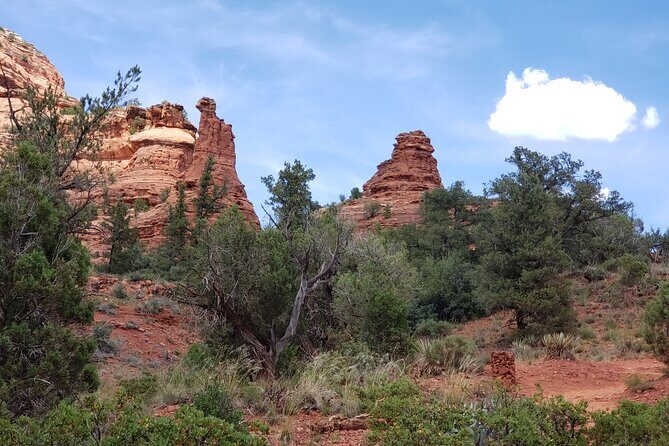
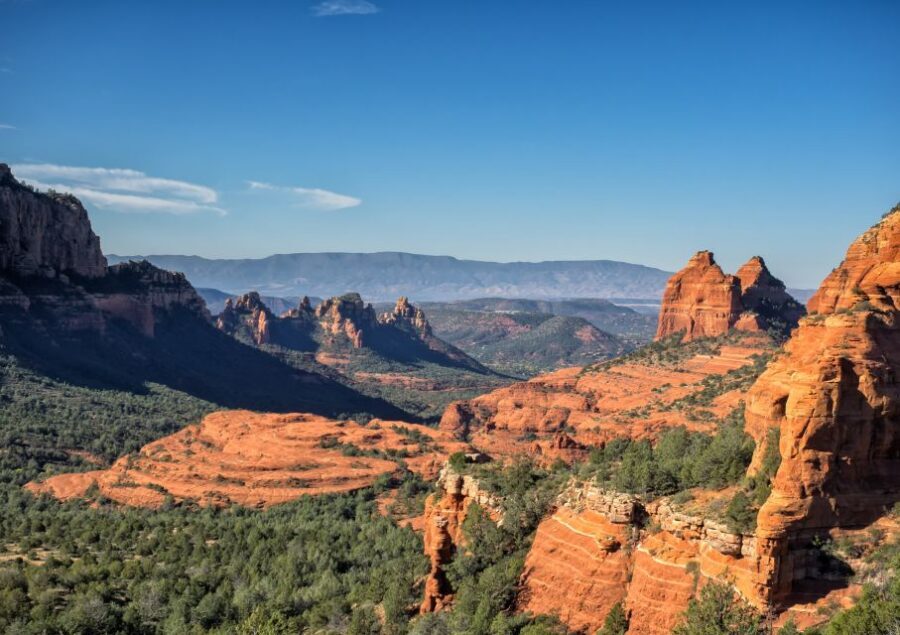
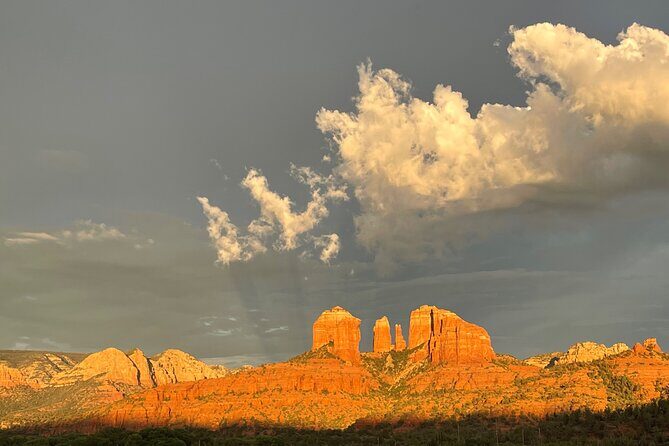
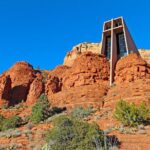
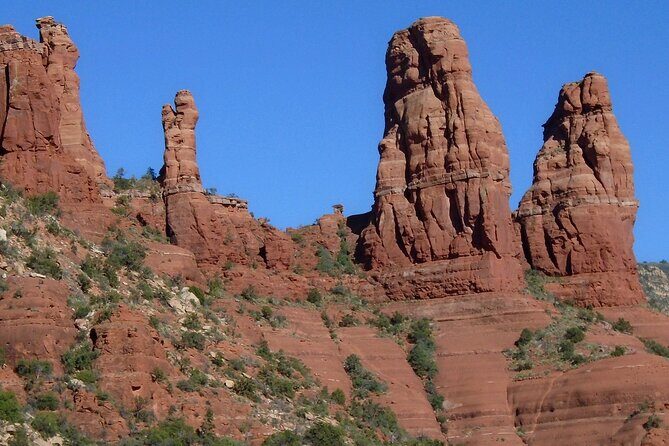
You’ll begin at the Sedona Airport Scenic Overlook, a stop built for big silhouettes and quick orientation. In roughly 25 minutes you’ll see the Great Dragon of Sedona, plus Standing Eagle Rock, Chimney Rock, Ship Rock, and Saddle Rock. Admission is included, which is a big plus if you want the site access without adding extra stops later.
What makes this first stop valuable is that it gives you a mental map. If you’ve ever looked at Sedona photos and felt lost, this is the fix. The guide’s job here is to help you connect the rocks you’ve seen online to a real place in front of you—so later stops land better, not just as another view.
A possible drawback is the “look, listen, move” rhythm. You’ll get plenty of sights for 25 minutes, but you won’t get long, slow hiking time at this overlook. If you want a quiet sit with your thoughts and a slow walk, plan on leaning on your other stops for that.
Stop 2: Amitabha Stupa and Peace Park meditation in the 6 Pointed Star Temple
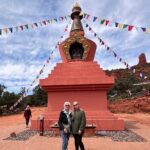
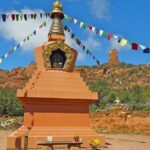
Next is the Amitabha Stupa and Peace Park, where the day shifts from rock watching to a calmer, inward moment. You’ll have about 25 minutes here, and admission is included. The main event is meditation at the Amitabha Vortex in the center of the 6 Pointed Star Temple.
This is the part that many people tend to remember most, because it’s not just about viewing spiritual symbolism—it’s about doing something with it. If you’re open to guided reflection, you’ll likely appreciate having a set time rather than trying to improvise your own meditation schedule.
There’s also a practical benefit: the tour slows down. Even if you’re skeptical about any particular interpretation, the stillness can feel like a reset mid-day. On the other hand, if you signed up mainly to experience the places through motion and your own instincts, the meditation time may feel like the opposite of what you came for. This is the one segment where the guide’s spiritual framework takes the lead.
Bell Rock and Sedona’s 7th Chakra: seeing the same place two ways

After the stupa, you’ll move into the heavier “Sedona energy” zone of the tour. One stop is Bell Rock, which people already recognize as a headline formation. You’ll also see Sedona’s 7th Chakra and the Throne of Ganesh.
What I like about rolling these into one span is that you get two different ways to look at the same day. You can focus on the geology and shapes, then switch gears to the symbolism—without having to leave your shoes on for a full hike. This approach suits Sedona well because the town is half scenery and half meaning.
The trade-off is that you have to follow along with the interpretive lens being offered. If you came to Sedona to treat the “energy talk” as a rumor you’re testing privately, you might find yourself zoning out during some of the explanations. But if you enjoy learning how other people read the landscape, this section can feel like the tour’s turning point.
Temples, the Court of Masau’u, and the Guardian of Sedona stop
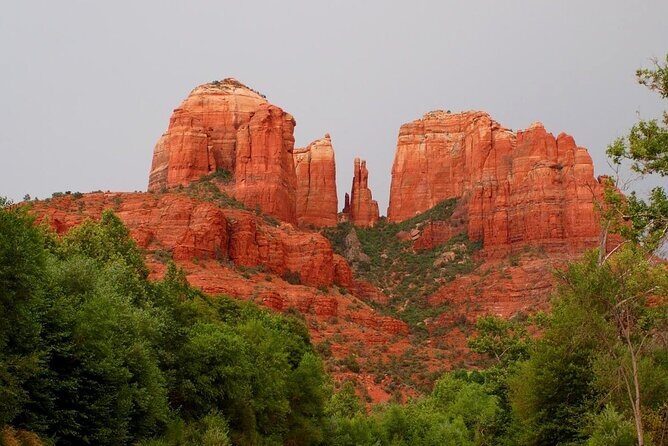
The route then includes Temples leading to the Court of Masau’u, described as the Guardian of Sedona. You’ll also see Chimney Rock again during this segment, which helps if you missed details earlier or just want another angle.
Repeating Chimney Rock sounds simple, but it can be smart. As light shifts and you hear a different framing, the same silhouette can feel different. You’ll also get the “story architecture” of the tour—how the guide links each landmark to the next like a path of themes rather than a list of photo stops.
For some people, the spiritual naming might feel like too much in a short time. That’s the key decision point: this tour doesn’t just show you where things are; it tells you what they mean in the guide’s worldview. If you prefer neutral, purely descriptive commentary, you might want to mentally prepare yourself for interpretation.
Other city tours we've reviewed in Sedona


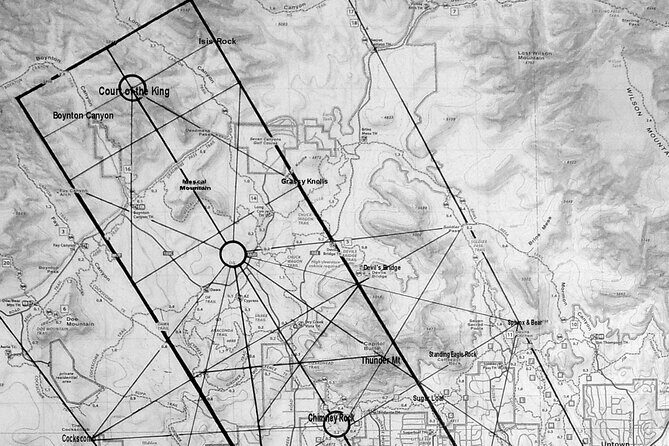
Sedona Grid vortex sites and the Pleiadian Contact Zone
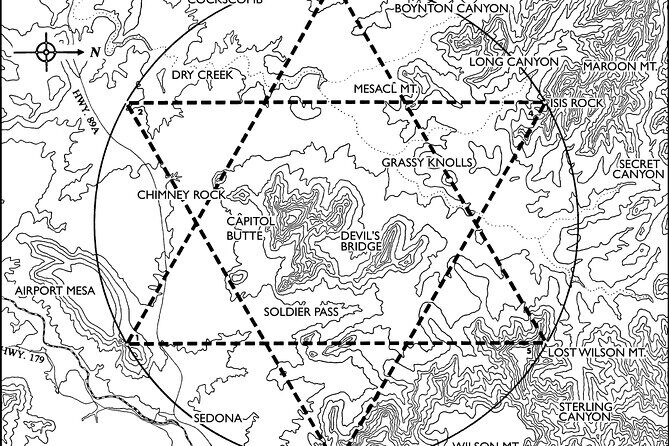
Another standout theme in the itinerary is the idea of the vortex on the Sedona Grid and the Pleiadian Contact Zone. This is where the tour leans hardest into celestial and contact symbolism.
Even if you’re not buying any of the cosmic claims, you can still use this section in a practical way: it’s a structured method for “spot hunting.” You’re being directed to specific places tied to a map-like narrative, so you’re not just drifting around town hoping you found the right corner for your beliefs.
The drawback is that some folks want more time to look freely and less time hearing a specific narrative. If you get impatient with long explanations at each stop, this may be the part that tests you. The fix is simple: bring an open mind, and decide early that you’re here for the full guided package, not just sightseeing.
Sphinx and Honey Bear: quick stops with a quirky Sedona vibe
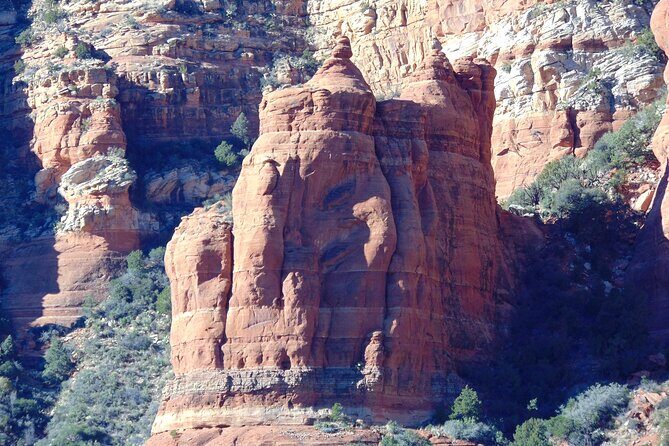
Later you’ll see the Sphinx and Honey Bear. These kinds of stops often do two jobs. First, they break up the heavier themes with something playful and memorable. Second, they give your camera and brain a change of pace after the vortex-and-temple storyline.
These stops are likely brief compared with the main overlooks and meditation time, so don’t expect this to replace longer scenic wandering. Think of it as fun waypoints that make the route feel like Sedona, not just a list of famous rocks.
What Mark Amaru Pinkham’s guide style feels like on the ground
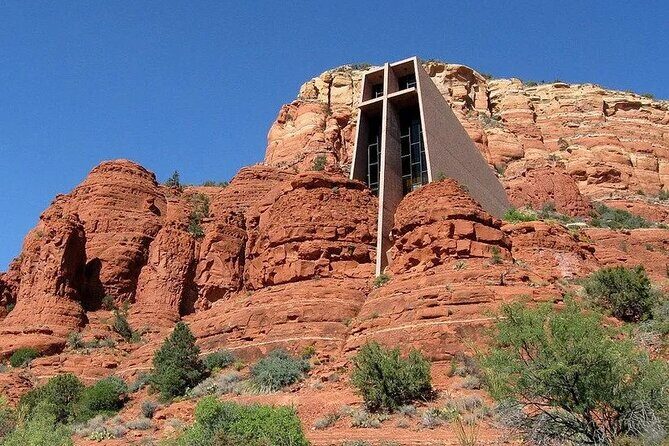
The guide is Mark Amaru Pinkham, and the day is built around his storytelling and patience with questions. If you like dialog—asking stuff and getting answers—this format can feel great. People also seem to enjoy how the guide explains what you’re seeing at each location, especially when it helps turn Sedona from random shapes into a connected experience.
One careful consideration: this is not a quiet “sit on the bus, look out the window” tour. The narration is part of the product. That’s a win if you want context and a structured spiritual interpretation. If you want to experience Sedona’s energy mainly on your own terms, you may want to keep expectations realistic: you’ll be standing in designated spots and listening more than walking around freely.
I’d also suggest choosing your mindset in advance. If you arrive ready to learn, ask questions, and treat the tour as an interactive lesson, you’ll probably have a much better time. If you arrive wanting the guide to prove claims or strip everything down to neutral facts, you may not be satisfied with the way the day is framed.
Practical tips to get the most from a 4-hour Sedona route
Sedona weather can change fast. This tour requires good weather, and if it’s canceled due to poor conditions, you’ll be offered another date or a full refund. Plan for sun and wind—especially around lookout-style areas.
Here’s how to make the limited time feel worthwhile:
- Arrive early and be ready for a route with stops, not long hikes.
- Bring water and expect you’ll be outside for stretches between viewpoints.
- If you care about specific sights—like Bell Rock or the Amitabha Vortex—decide in advance which moments matter most to you.
- If meditation is in your comfort zone, show up ready to follow along. If not, at least treat it as a chance to slow down.
Also, you’re in a private-group format, so your group’s energy matters. If you’re traveling with friends who love the spiritual side, this can turn into a fun shared conversation. If your group is divided, set expectations before you go so everyone knows what kind of tour it is.
Who should book City of the Star People Tours, and who might skip it?
This is a strong choice if you want:
- A short Sedona experience that combines major rock formations with guided spiritual interpretation
- Included admission at key stops so you’re not scrambling for tickets
- A guided meditation moment at the Amitabha Stupa and Peace Park
- A guide who handles questions patiently and explains the sites with confidence
I’d suggest skipping or choosing a different style of tour if you mainly want:
- Lots of time to walk around freely and discover on your own
- Mostly neutral commentary with minimal belief-based framing
- A tour where your day is driven by silence and scenery rather than discussion
Should you book this tour with Mark Amaru Pinkham?
If you’re coming to Sedona to explore both the visuals and the meaning people attach to them, this tour fits the bill. The route is built around recognizable landmarks—Great Dragon, Standing Eagle, Chimney Rock, Ship Rock, Bell Rock—then pivots into meditation at the Amitabha Vortex and continues through vortex and contact-zone symbolism like the Pleiadian Contact Zone.
Book it if you like guided structure and you’re comfortable with a spiritual lens. Skip it if you want mostly independent sightseeing time or you prefer commentary that sticks strictly to neutral description.
If your group includes at least a couple people who enjoy learning and asking questions, you’ll likely feel the value quickly.
FAQ
How long is the City of the Star People Tours experience?
It runs about 4 hours.
Where is the meeting point for the tour?
The meeting point is Whole Foods Market, 1420 W State Rte 89A, Sedona, AZ 86336, USA. The tour ends back at the same meeting point.
Is this tour private?
Yes. It’s a private tour/activity, and only your group participates.
What language is the tour offered in?
The tour is offered in English.
Does the tour include meditation?
Yes. It includes meditation at the Amitabha Stupa and Peace Park, with meditation at the Amitabha Vortex in the center of the 6 Pointed Star Temple.
What happens if the weather is poor?
The experience requires good weather. If it’s canceled due to poor weather, you’ll be offered a different date or a full refund.