Sedona at night has a way of messing with your certainty. This UFO/UAP viewing tour is built around real sky watching, not screens, using military-grade night vision goggles and a guide who talks through what you’re seeing.
I love the small group setup (max 10), because you get hands-on help spotting objects instead of fading into a crowd. I also like that the experience is short—about 1 hour 30 minutes—so you can fit it into a busy Sedona itinerary.
One thing to consider: the guide’s interpretation can lean strongly into fringe UAP narratives, so if you want a strictly scientific, no-story approach, you may find the talk-heavy parts frustrating.
In This Review
- Key highlights to know before you go
- Military-Grade Night Vision at Cultural Park Place
- Timing and the quick drive from Blue Sage Day Spa
- What happens once you arrive: chairs, goggles, and sky orientation
- The guided hunt: how the tour tries to improve your odds
- The laser-and-discussion rhythm (and why some people don’t love it)
- What you might actually see in the sky
- Who this Sedona UFO tour is best for
- Value check: $110 for 90 minutes with real equipment
- Practical tips to make your night go better
- Should you book this UFO tour in Sedona?
- FAQ
- How long is the Sedona UFO tour?
- Where do I meet for the tour?
- Where does the tour end?
- Is this tour virtual?
- How big is the group?
- What equipment is included?
- Are there any age rules for kids?
- What language is the tour offered in?
- What should I wear for night viewing in Sedona?
- What happens if the weather is bad?
Key highlights to know before you go

- Military-grade Gen 3 night vision goggles so you see far more than with the naked eye
- Small group (up to 10) for more personal pointing and question time
- Live sky hunt at Cultural Park Place, with chairs and the option to sit or stand
- Laser pointing used to track objects up to 10 miles away
- Typical sightings of multiple ships in an evening, with different skies each night
- Real-time guided discussion about UFO/UAP phenomena while you watch
Military-Grade Night Vision at Cultural Park Place

This is the kind of Sedona night activity that feels different the second you step outside—cool air, quiet darkness, and a sky you can actually use. The tour’s main advantage is simple: you’re not relying on your eyes alone. You’ll get personal night-vision goggles (military grade Gen 3), and the idea is that they let you see 100 times more than you would without them.
That matters because most of what people miss in the sky is not the big “movie moment.” It’s the faint, small, moving bits that show up and vanish while you’re still trying to figure out what you’re looking at. With the goggles on, the sky becomes more legible. Even if you’re not sold on the UFO story, you can still enjoy the practical payoff: you’re given a tool, taught how to use it, and then you’re in the right place to look.
There’s also an equipment feel to this tour. You’re not just handed a pass and told good luck. The setup includes chairs so you can choose sitting or standing, and the guide uses a laser to help track objects at long distances. That laser detail is important because a lot of sky-watching frustration comes from one person spotting something and everyone else asking where it went. Here, the tracking is part of the experience.
One more thing I appreciate: it’s not a virtual tour. This is built for the real-dark conditions where night vision actually does its job.
Other UFO tours we've reviewed in Sedona

Timing and the quick drive from Blue Sage Day Spa
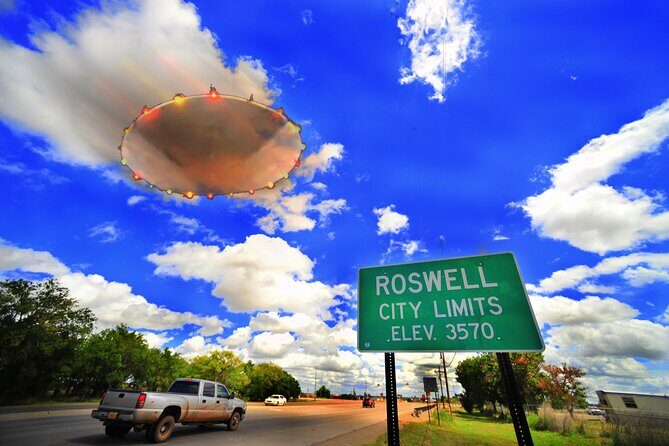
Your tour begins at Blue Sage Day Spa, 60 Stutz Bearcat Dr, Sedona, AZ 86336. The group meets there, then the guide leads you about 5 minutes down the road to the viewing location at Cultural Park Place. The whole event is about 1 hour 30 minutes, so you’re not stuck for half your evening.
That short timing is a real value if you’re balancing Sedona day plans. You can hike, tour, eat, and still fit this in without turning your night into a production. It’s also good for people who get restless in long, talk-and-wait events. You’ll still have discussion time, but the core action is sky watching while the equipment is in play.
At the end, you finish at 50 Cultural Park Pl, Sedona, AZ 86336, so you can plan your pickup or return with a clear end point in mind.
What happens once you arrive: chairs, goggles, and sky orientation
When you get to Cultural Park Place, you’ll be in a field setting designed for visibility. Chairs are provided, and you can sit or stand depending on what your comfort needs are. That sounds minor, but it’s not. In the desert, darkness stretches time. Sitting helps your eyes relax, standing helps you see over your neighbor’s head. This option lets you choose what keeps you focused on the sky rather than on your posture.
Then the tour moves into the main mechanic: night vision. Every adult receives their own goggles. On rare occasions, children may need to share, and the tour treats children 11 years and older as adults for goggles purposes. That’s a helpful detail if you’re planning a family night out and want to know how gear distribution works.
You’ll also get instruction on what to look for while the guide scans the sky. The guide is pointing out objects using a laser that can track things up to 10 miles away. That distance detail tells you the intent: you’re not just watching lights drift randomly. You’re actively tracking where the guide says to look, which improves your odds of catching patterns.
One more practical angle: night vision and the desert don’t mix well with cold discomfort. Multiple people note that you should dress in layers for evening temperatures, and gloves can help if you’re also using binoculars. The tour’s comfort support shows up in the reviews too—blankets have been provided when it gets chilly—so you won’t feel totally left out if weather bites.
The guided hunt: how the tour tries to improve your odds

The tour’s promise is straightforward: enhance your chances of spotting UFOs/UAP during a nighttime viewing in Sedona. It’s not a guarantee. But there’s a reason this works better than solo stargazing.
First, the guide actively points. Second, the night vision goggles change the contrast and visibility. Third, the group stays together and searches the same sky zone in a coordinated way instead of everyone splitting up into personal confusion.
The guide also describes what you’re likely seeing and why it might not match what you think you know from daytime astronomy. Many nights are described as producing several ships, and the experience changes nightly—so you’re not repeating the same script even if you’ve watched a sky video before.
And yes, you’ll hear lots of talk. Some people love it. Others feel it runs long before the “meat” of pointing happens. Here’s my practical advice: if you’re the type who wants the quickest path to visuals, be ready to politely hang back during story time, then lean in during the pointing moments. If you’re curious about the UFO lore and the guide’s interpretation, this part is where the tour becomes more than just equipment plus darkness.
The laser-and-discussion rhythm (and why some people don’t love it)
This is where the experience can feel like two different tours, depending on your expectations.
On one hand, the guided discussion is part of the fun for many people. The guide shares stories and information that aren’t the typical stuff you’ll read in a guidebook. You also get time to ask questions at the end, which helps turn the “I saw lights” moment into a “what did I just see?” conversation.
On the other hand, a recurring complaint is that the tour can get chatty—more storytelling than substance for some folks. There’s also skepticism in the mix: some people point out that straight-line dots might be satellites or high-flying planes, not UFOs. The guide doesn’t treat those concerns as a deal-breaker; instead, the tour leans into a broader UAP narrative where not all lights automatically get labeled the same way.
So here’s the key takeaway for you: go in aware that the tour is built as an experience with interpretation, not just observation. If you want a pure “spot objects and identify them with standard astronomy,” this may not scratch that itch. If you want a guided night where you look through real night vision while the guide frames what’s out there, you’ll likely have a better time.




What you might actually see in the sky

I can’t promise you’ll see anything specific on your date. But the pattern described is that you’ll likely see multiple objects in motion, and that each night is different.
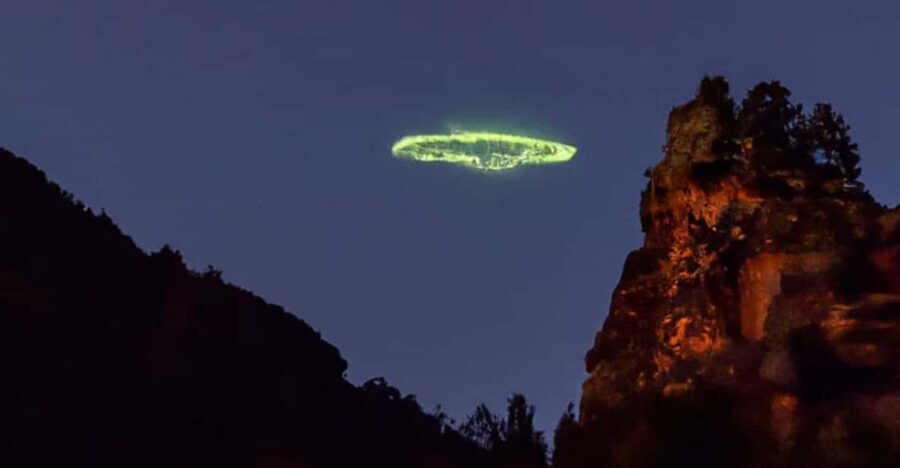
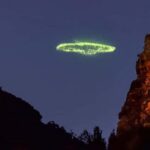
People mention seeing lots of moving lights, sometimes enough that it becomes hard to keep track. There’s also at least one mention of a bright orb appearing early, before the goggles are handed out. That’s a reminder that the experience can start with the naked-eye “wait, what was that?” moment, then shift into more detailed looking once the goggles are on.
You’ll also get help identifying what you’re looking at in real time. The guide’s laser pointing can turn a confusing sky into a more focused hunt, and that changes the whole mood of the night—from passive watching to active searching.
Who this Sedona UFO tour is best for
This is a good fit if you:
- Want a night activity that’s high effort, low commitment (90 minutes is manageable)
- Like the idea of using Gen 3 night vision rather than just reading about it
- Enjoy a guide who talks—stories, context, and UAP framing—while you look
- Prefer a small group so you get attention and direction
It can also work for first-timers who are curious but unsure. Several accounts describe people leaving more convinced or more engaged because they saw plenty of sky activity through the goggles. Even if you stay skeptical, you’ll probably still appreciate the equipment and the coordinated sky tracking.
If you’re the type who hates long narratives and wants minimal talking, you might find the “discussion first, pointing second” pacing annoying. If that’s you, consider asking yourself what you want more: the gear and guided hunt, or a straight-up lecture-free stargazing experience.
Value check: $110 for 90 minutes with real equipment
At $110 per person, the question is whether this feels like a fair trade for time and money. Here’s how I think about the value.
You’re paying for three big things:
- The night vision goggles (personal Gen 3 units for adults in the group)
- The guided tracking tools, including the laser and the process of helping you actually follow objects
- The focused time with a small group (max 10), which increases your chance of getting direction when you need it
If you’ve ever tried to set up night vision equipment yourself, you know that cost and logistics add up fast. If you’ve only done regular stargazing, you know how often you end up scanning the sky without a clear plan. This tour blends the tool with the guidance and the right setting.
Is it worth it for everyone? No. If you dislike UAP storytelling and want standard sky identification only, you’re probably going to feel like you overpaid for a guided narrative. But if you’re open to the UFO/UAP framing and you want hands-on nighttime sky watching, the price feels more reasonable.
Practical tips to make your night go better
This is the part that can make or break the experience. You’re sitting outside in darkness, using equipment, and trying to watch small moving objects. Do these things and you’ll enjoy it more:
- Dress warm in layers. Evening desert temps can surprise you.
- Bring gloves if you’re using binoculars or you tend to get cold hands.
- Plan for slow blinking and patience. Night vision changes what you see; it takes a moment to settle in.
- Choose your comfort position. Use the chairs if you want stability. Stand if you prefer a broader view.
- Go on a clear night. The tour requires good weather, and sky clarity directly affects what you can see.
Also, don’t expect a guaranteed UFO sighting. Instead, expect to be taken seriously as a participant: you’re given gear, you’re guided, and you’re in a place designed for sky watching.
Should you book this UFO tour in Sedona?
I’d book it if you want a night where the sky becomes an interactive experience. The combination of small group size, Gen 3 night vision goggles, and laser pointing is a strong package for the money, especially if you’re a fan of UAP lore or you’re curious enough to let someone else frame what you’re seeing.
I wouldn’t book it if you need a lecture-free, strictly scientific sky ID session. The tour has a narrative component, and that’s exactly what some people didn’t want. If you’re sensitive to long storytelling or you prefer a more critical, astronomy-first interpretation, you might feel let down.
If you’re on the fence, here’s your simplest decision rule: if you’d rather see the night sky with serious tools than just stare at it with your own eyes, this is worth your time in Sedona. If you’d rather have a quiet star-hunt with minimal talk, look for a different kind of night tour.
FAQ
How long is the Sedona UFO tour?
It lasts about 1 hour 30 minutes.
Where do I meet for the tour?
You start at Blue Sage Day Spa, 60 Stutz Bearcat Dr, Sedona, AZ 86336.
Where does the tour end?
The tour ends at 50 Cultural Park Pl, Sedona, AZ 86336.
Is this tour virtual?
No. This is where you will see unidentified flying objects firsthand during the viewing.
How big is the group?
The tour has a maximum of 10 travelers.
What equipment is included?
Adults receive personal military grade 3 night vision goggles. Chairs are provided, and the guide uses a laser to point out objects.
Are there any age rules for kids?
Children 11 years and older are considered adults for the tour. On rare occasions, children may have to share the goggles.
What language is the tour offered in?
The tour is offered in English.
What should I wear for night viewing in Sedona?
Wear warm layers. Gloves can help, especially if you’re holding binoculars.
What happens if the weather is bad?
The experience requires good weather. If it’s canceled due to poor weather, you’ll be offered a different date or a full refund.