REVIEW · SEDONA
Sedona Night Hike and Stargazing
Book on Viator →Operated by ARRA · Bookable on Viator
Sedona at night is a different planet. This 4-hour hike ties together a Dark Sky City star session, a laser-pointer constellation talk, and a fun science-y stop for UV scorpion spotting.
I love that the route changes by season, weather, and wildlife activity, so you’re not stuck in a one-size-fits-all routine. I also like the practical safety touches: headlamps, rain ponchos, and a Wilderness First Responder hiking guide.
One thing to weigh: this experience needs good weather. If conditions are poor, you’ll be offered another date or a full refund.
In This Review
- Key things to know before you go
- Sunset to Stars: How the 5:15 pm timing sets you up
- What you’re really paying for: the value in the “guided night sky” part
- Pickup, private tour, and a smooth 4-hour rhythm
- The Sedona stop: from red-rock sunset to the “star class” moment
- Seasonal routes: why the guide changes things
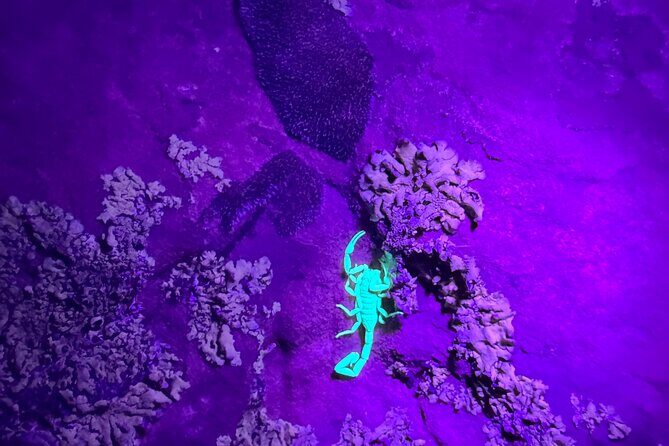
- UV scorpion spotting: the highlight that makes the night feel real
- Safety and comfort: gear that removes stress
- Best moments you should aim for during your 4 hours
- Who this Sedona night hike is perfect for
- Who should think twice
- Planning tips that help you get more from the experience
- The crew and guiding style: what to expect from the guide
- So, is it worth booking?
- FAQ
- What time does the Sedona Night Hike and Stargazing start?
- Is pickup offered, and will I be taken back to my lodging?
- Is this tour private or shared with other groups?
- What’s included in the price?
- What do I get to do during the hike?
- What happens if the weather is poor?
Key things to know before you go
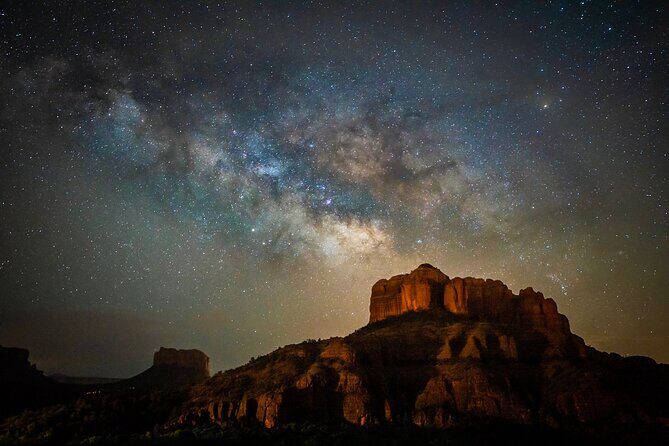
- Dark Sky City setting: Sedona is nationally certified for top-notch night skies.
- Laser pointer astronomy talk: the constellations above get marked for you, not guessed.
- UV flashlight scorpion search: glow-hunting adds a memorable twist to stargazing.
- Provided gear: headlamps and rain ponchos mean you can travel lighter.
- Hotel pickup and drop-off: easier logistics at a time when you’ll want to focus on the hike.
- Private experience: it’s just your group for the whole outing.
Sunset to Stars: How the 5:15 pm timing sets you up
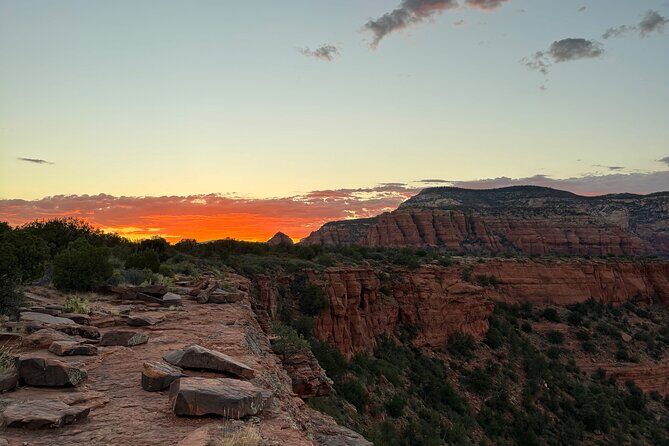
This starts at 5:15 pm, which is a smart move for Sedona. You get the shift from day to night while the red rocks are still visible, then you transition into real darkness for the stars. That matters, because stargazing works best when the sky is truly dark and your eyes have a chance to adjust.
You also avoid the worst part of desert afternoons: the heat. As the evening cools down, the hike feels more comfortable, and the desert’s mood changes fast—quiet, cooler, and noticeably less crowded.
Other Sedona hiking tours we've reviewed
What you’re really paying for: the value in the “guided night sky” part
At $195 per person, this isn’t a budget activity—but the value is in the guided night-sky experience and the gear/safety mix. You’re not just walking somewhere to look up. You’re getting:
- A guided astronomy session that uses a high-powered laser pointer to point out constellations.
- Night-hike equipment like headlamps and rain ponchos.
- Scorpion spotting with a high-powered UV flashlight, which turns stargaring into hands-on fun.
On top of that, the price covers private transportation with hotel/residence pickup and drop-off, plus parking fees (including the Red Rock Pass) and the admission ticket.
If you’ve ever looked at the Milky Way in photos and wondered if it really lives up to the hype, this kind of setup is how you give yourself the best odds. Sedona is a Dark Sky City, and this experience is built around making that sky legible to you.
Pickup, private tour, and a smooth 4-hour rhythm
This is a private tour/activity, so it’s only your group. That tends to make night experiences feel calmer. There’s no negotiating around a big crowd, and you get more flexibility if the guide adjusts the route based on conditions.
Your evening starts with pickup. If you’re staying within Sedona, the van is marked with the company logo and name, and the guide will be watching for your group. After the hike, you’ll be shuttled back to your lodging.
The duration is about 4 hours. For a night hike, that’s a practical length: long enough to catch sunset light and dark-sky viewing, but not so long that you’re freezing or running out of energy before the best sky time.
The Sedona stop: from red-rock sunset to the “star class” moment
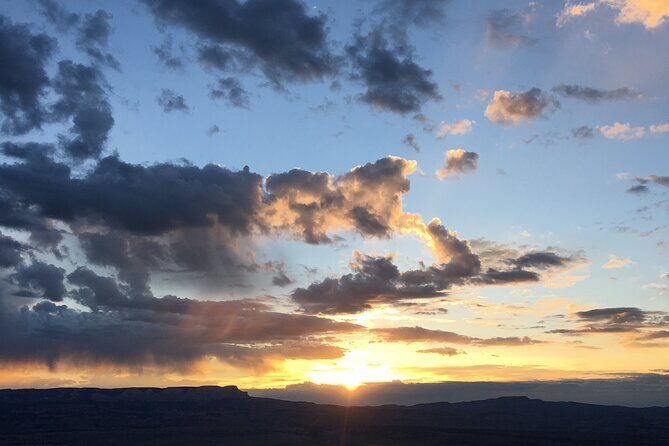
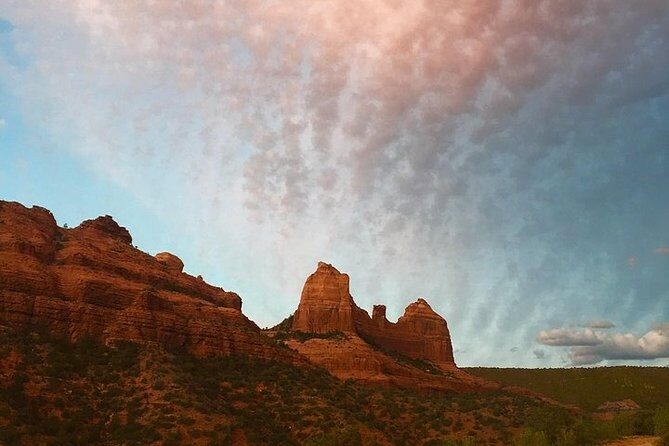
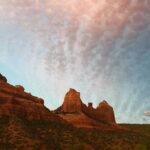
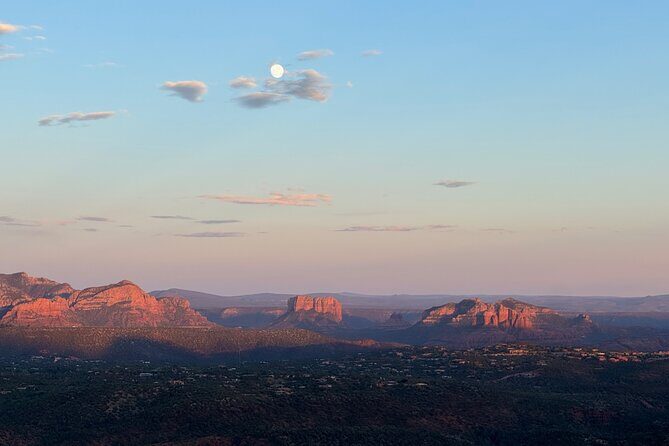
This is the heart of the experience. The evening begins with a Sedona sunset that turns the rock faces gold and purple as the desert darkens. Once the sun drops, the scene changes quickly: cooler air, deeper shadows, and that eerie calm you only get at night in the desert.
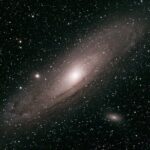
Then comes the star portion. Because Sedona is a certified Dark Sky City, the sky is ideal for seeing constellations, planets, and the Milky Way. The guide’s laser pointer helps you connect what you’re seeing to what you’re learning, instead of guessing.
You’ll also hear desert stories tied to what’s happening in the night environment—desert wildlife and astronomy, explained in a way that matches the moment. It’s not just facts. It’s context, so the sky feels like a place you can understand.
Seasonal routes: why the guide changes things
You might notice the route differs depending on when you go. That’s intentional. The hiking path is adjusted across the year based on seasonal conditions, weather, and wildlife activity. Practically, this helps you get:
- Better viewing opportunities when conditions are right.
- A safer, more sensible route for the moment you arrive.
- A wildlife-aware approach instead of a rigid itinerary that ignores what’s going on outdoors.
Other stargazing and night sky tours in Sedona


UV scorpion spotting: the highlight that makes the night feel real
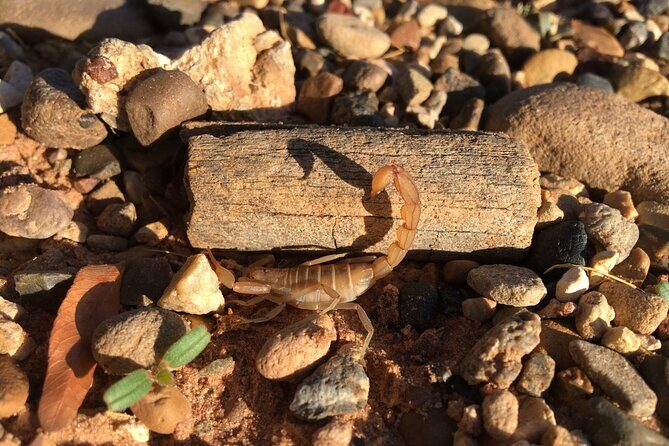
At some point during the hike, you’ll search for glowing scorpions using UV flashlights. This is the most “wow, I didn’t expect that” piece of the experience because it’s interactive. You’re not only looking upward—you’re also scanning the ground with a different kind of light.
You’ll be using provided high-powered UV flashlights, which is great because it means you’re not trying to figure out gear once you’re already on-site. With the UV light, the scorpion search becomes its own mini-adventure inside the bigger stargazing outing.
It’s also a reminder that desert night life doesn’t stop when the sun goes down. The same darkness that makes the stars pop also hides (and protects) fascinating creatures.
Safety and comfort: gear that removes stress
Night hikes can be stressful if you’re missing essentials. This one handles that. Included items cover the common friction points:
- Headlamps so you can see while you walk.
- Rain ponchos because the desert can surprise you.
- Bottled water and healthy trail snacks so you’re not stuck on an empty stomach in the dark.
And you’ll hike with a Wilderness First Responder Hiking Guide. That’s a big deal for a night activity where things can shift quickly—weather changes, uneven ground, or anyone who needs extra attention.
This is the kind of planning that lets you enjoy the sky instead of worrying about the logistics.
Best moments you should aim for during your 4 hours
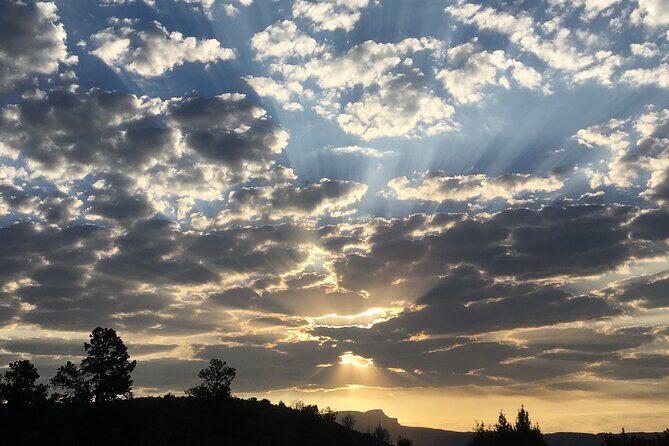
Even with a guided plan, you’ll get the best results if you time your attention right. Here’s how I’d think about it:
1) When the sky is still turning
Take a moment to look at the rocks and the horizon. It’s a quick transition, and it helps your eyes understand what you’re walking through before the full dark hits.
2) During the constellation talk
Follow what the guide points out. If you look away while the guide is explaining, you’ll lose the thread and the whole “aha” effect.
3) Right before and during the Milky Way window
Dark sky experiences work best when you stay still-ish and let your eyes adjust. Don’t rush for every photo. Watch first, shoot after.
4) During the UV scorpion search
This is fast-paced curiosity time. If you’re with kids, it’s also a perfect moment to switch from passive “look up” to active “find and see.”
Who this Sedona night hike is perfect for
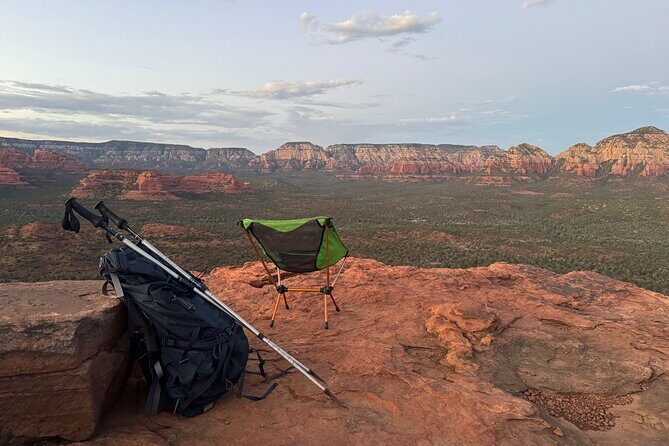
This is a great fit if you want:
- A guided stargazing experience built around a true Dark Sky City.
- Something hands-on beyond just walking and looking.
- A calmer, private format where you can ask questions.
It also works for families. The experience has done well with elementary-aged kids, mainly because the UV scorpion search turns the night into a game.
Who should think twice
If you hate night walking, stargazing is not a deal-breaker—but a night hike may not be your thing. Also, because it requires good weather, you should be ready for the possibility of rescheduling if skies don’t cooperate.
If you’re planning around a super tight itinerary with no flexibility, aim to book at a time that gives you backup options.
Planning tips that help you get more from the experience
A few practical moves will pay off fast:
- Book early. On average, this gets reserved about 51 days in advance. If you’re traveling in peak season, waiting too long can limit your choices.
- Pick dates with decent weather. Since the tour requires good conditions, it’s smart to plan around a window that looks promising.
- Arrive ready for nighttime temps. You’ll be out after sunset, and deserts can cool down quickly.
The crew and guiding style: what to expect from the guide
The experience is led by a guide who’s trained as a Wilderness First Responder. That matters because they’re managing both the outdoor side and the night-sky experience.
In the feedback, one guide name stands out: Ty. People praised how prepared and knowledgeable he was, plus how friendly and accommodating the whole vibe felt. That combination matters. A stargazing tour goes smoother when your guide can pace questions, keep the group together, and translate what you’re seeing into something that clicks.
So, is it worth booking?
I’d book this if you want more than a generic night walk. The laser-pointer constellation talk plus the UV scorpion search gives you two different “reasons to look” throughout the same 4 hours. Add in hotel pickup/drop-off and included gear, and you get an experience that feels planned for your comfort—not just the guide’s schedule.
Skip it (or at least think hard) if weather rigidity would break your plans. This is also not the best choice if you strongly dislike nighttime outdoors. But if you’re open to the quiet side of the desert and want stars you can actually identify, this is an excellent use of an evening in Sedona.
FAQ
What time does the Sedona Night Hike and Stargazing start?
The start time is 5:15 pm, and the total experience runs about 4 hours.
Is pickup offered, and will I be taken back to my lodging?
Yes. Pickup is offered at your hotel, vacation rental, resort, camp, or campground. After the tour, your guide shuttles you back to your lodging.
Is this tour private or shared with other groups?
This is a private tour/activity, so only your group participates.
What’s included in the price?
Included items are healthy trail snacks, bottled water, private transportation with pickup and drop-off, parking fees (including the Red Rock Pass), a Wilderness First Responder hiking guide, headlamps, rain ponchos, a high-powered UV flashlight, and a laser pointer astronomy talk.
What do I get to do during the hike?
You’ll watch a Sedona sunset shift into night, learn constellations and other sky features with a laser pointer, and use UV flashlights to search for glowing scorpions.
What happens if the weather is poor?
The experience requires good weather. If it’s canceled due to poor weather, you’ll be offered a different date or a full refund.