REVIEW · SEDONA
Sedona/Flagstaff: Grand Canyon Day Trip and Sunset
Book on GetYourGuide →Operated by Arizona Tour & Travel · Bookable on GetYourGuide
Sedona to the Grand Canyon is a long day. This one makes it feel tight and personal, thanks to a small group van and guides who narrate the whole route. I like how the drive itself is part of the story, from Oak Creek Canyon up onto the Colorado Plateau toward tall ponderosa pines. I also love the payoff: multiple rim viewpoints that lead right into a classic Grand Canyon sunset.
One consideration: the sunset viewing window is scheduled, and you’ll likely wrap up soon after the sun drops. If you like lingering for the long, afterglow colors, you may wish there were more time at the end.
In This Review
- Key things to know before you plan
- Sedona to Flagstaff: Oak Creek Canyon to the Ponderosa Pine zone
- The San Francisco Peaks drive: volcano country on the way north
- Cameron Trading Post: crafts, history, and a smart cultural stop
- Crossing into Grand Canyon country from the Navajo Nation
- Desert View: your first real look at the Grand Canyon and Colorado River
- South Rim viewpoints: wide angles, multiple stops, and fewer wasted minutes
- Phantom Ranch and Kaibab Suspension Bridge: a rare view combo
- Dinner time after the canyon: planned downtime, not a full stop
- Sunset at the Grand Canyon: how the guide chooses the light
- How the guides make the day work (names you’ll hear in the van)
- Comfort, transport, and the practical stuff that affects your experience
- Price and value: what you’re really paying for at $240 per person
- Who this tour fits best
- Should you book this Grand Canyon sunset day trip from Sedona?
- FAQ
- FAQ
- Where do you get picked up and dropped off?
- How big is the group?
- What does the price include?
- Is dinner included?
- What places does the tour visit besides the Grand Canyon?
- What’s the special cultural stop?
- Do children need their own car seat or booster?
Key things to know before you plan
- Small group pacing (max 14 people): you get more back-and-forth and fewer delays between stops.
- Sedona-to-rim scenery build-up: you leave red rocks behind and climb about 2,000 feet toward Ponderosa Pines.
- Cameron Trading Post on Navajo land: a real stop for Indigenous crafts and souvenir browsing.
- East + South Rim highlights: you’ll see early views from Desert View and then hit several South Rim viewpoints.
- Sunset photo-friendly guidance: guides often help with photos so you’re not stuck doing awkward selfie math.
- Long but structured day: expect an 8.5-hour rhythm with water and frequent viewpoint stops.
Sedona to Flagstaff: Oak Creek Canyon to the Ponderosa Pine zone
If you’re starting in Sedona, your day begins with that gradual change in scenery. The route climbs out of Oak Creek Canyon over winding roads, and you feel the elevation shift fast: about 27 miles of curves, then roughly a 2,000-foot rise as the landscape transitions from red rocks to tall ponderosa pine.
This matters because it sets expectations. You’re not just “getting to the Grand Canyon.” You’re watching northern Arizona shift climate zones as you go, from lush canyon scenery up to cooler pine country. On the way, you’ll also get a narrated look at geology and local ecology, which makes the Grand Canyon feel less like a sudden jump and more like the final chapter of a longer process.
Other Grand Canyon day trips from Sedona
The San Francisco Peaks drive: volcano country on the way north
After you meet the rest of the group in Flagstaff (the tour departs Flagstaff around 12–12:30 pm), you head toward Grand Canyon National Park with a stop-in-your-brain kind of moment: you pass the San Francisco Peaks, which are described as dormant volcanoes.
Even if you don’t consider yourself a “geology person,” this is one of those drives that pays off because it frames the whole area. The Grand Canyon’s rocks didn’t appear out of nowhere; they’re part of a much bigger regional story. A good guide helps you connect the dots while you’re still in the vehicle, so when you finally look out at the canyon, you know what you’re seeing.
Cameron Trading Post: crafts, history, and a smart cultural stop
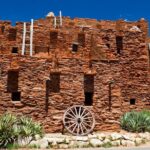
One of the tour’s first fixed stops is the Historic Cameron Trading Post. It’s on Navajo Tribal Land, and the point here isn’t a quick photo stop. You get time to browse Indigenous-made crafts and souvenirs, and it’s a chance to slow down briefly before the canyon takes over your attention.
This stop also adds variety. After hours of driving and narration, a trading post gives you something hands-on: you can talk with vendors, compare craft styles, and pick out something you’ll actually remember later. It’s also one of the easiest ways to feel how this area’s Native history and modern life connect right alongside the big scenery.
Crossing into Grand Canyon country from the Navajo Nation
As you approach the park from the east entrance on Navajo Nation lands, you’ll get views tied to the region’s wider visual palette. You’ll see the Little Colorado River Gorge and the western edge of the Painted Desert before the canyon finally opens up in full.
I like this order. Going this way means you don’t just “arrive” at the canyon. You get a sequence of related landforms first, so the Grand Canyon feels even more dramatic when you reach the first major viewing point.
Desert View: your first real look at the Grand Canyon and Colorado River
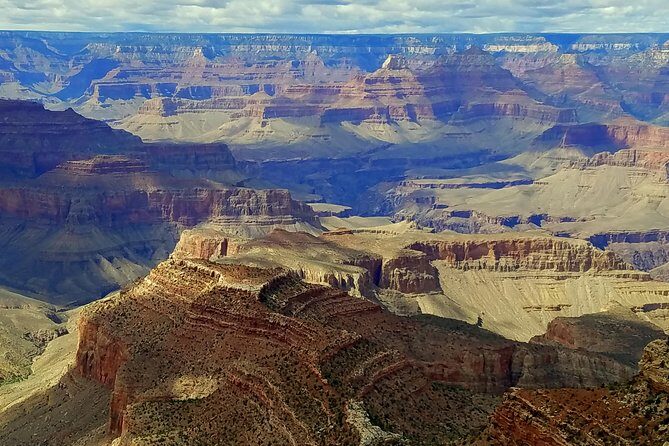
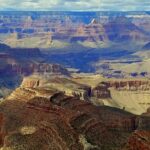
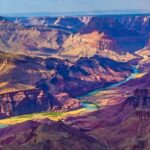
Once you enter Grand Canyon National Park, your first big viewing comes at Desert View. This is where the canyon starts to feel enormous, and where the Colorado River becomes part of the scene instead of a far-off rumor.
From here, the tour shifts into a classic South Rim approach: you’ll keep stopping at panoramic overlooks where you can see the canyon’s scale and depth. Expect viewpoints that show wide stretches rather than single tight angles. That’s the whole point of this itinerary: you want the Grand Canyon in “big system” mode.
Other evening experiences in Sedona
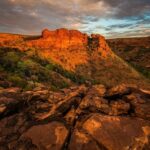
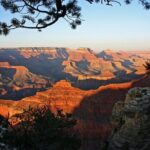
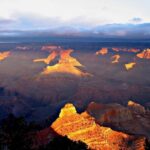


South Rim viewpoints: wide angles, multiple stops, and fewer wasted minutes
The schedule is built around hitting several South Rim viewpoints along the way. The narration is timed so you understand what you’re seeing, and the viewpoints are placed so you can compare features without feeling like you’re sprinting between miles.
One standout benefit from this kind of guided setup is timing and decision-making. When you arrive at a viewpoint, you don’t have to guess what to look for first. Guides often point out the best things to notice in the moment, then suggest where the view gets better with the light. A couple of the guides named in the experience, like Brad, Charlie, and Steve, are repeatedly praised for keeping the day interesting and for giving practical pointers at each stop.
Also, the group size helps here. With a max of 14 people, it’s usually easier to manage short walks and viewpoint movement. You’ll have more room to take photos and find your own spot instead of getting stuck in an accordion line.
Phantom Ranch and Kaibab Suspension Bridge: a rare view combo
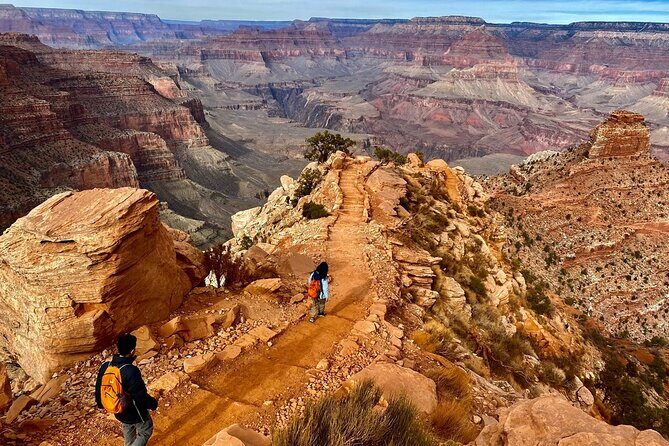
Midway through the South Rim portion, the tour includes one of the most specific and memorable claims in the route: a stop where you can see both Phantom Ranch and the Kaibab Suspension Bridge.
Why that’s exciting: those are two different “characters” in the Grand Canyon story—one tied to the canyon’s human scale down below, and one tied to the crossing over the chasm. Seeing them together from the rim is the kind of detail that makes a guided day trip feel more than sightseeing-by-checklist.
It also gives you a better sense of how the canyon is more than a view. There are routes, crossings, and places people actually reach. Even if you don’t do a hike on this day, this kind of perspective helps you understand what the canyon makes possible.
Dinner time after the canyon: planned downtime, not a full stop
After the rim sightseeing, you get time allotted for dinner on your own. In the real-world experience of this tour, guides often help you choose from a few options and can line things up so you’re not scrambling, and then you head to dinner after sunset viewing.
One review-based detail to keep in mind: some people felt the food options weren’t clear enough in advance. So if you’re picky about meal style, bring a little flexibility and confirm what kind of restaurant choices you’ll have.
The upside is that you’re not stuck waiting around with a hungry crowd. You’ve already seen the canyon’s main act, and dinner becomes the decompression period before the ride back.
Sunset at the Grand Canyon: how the guide chooses the light
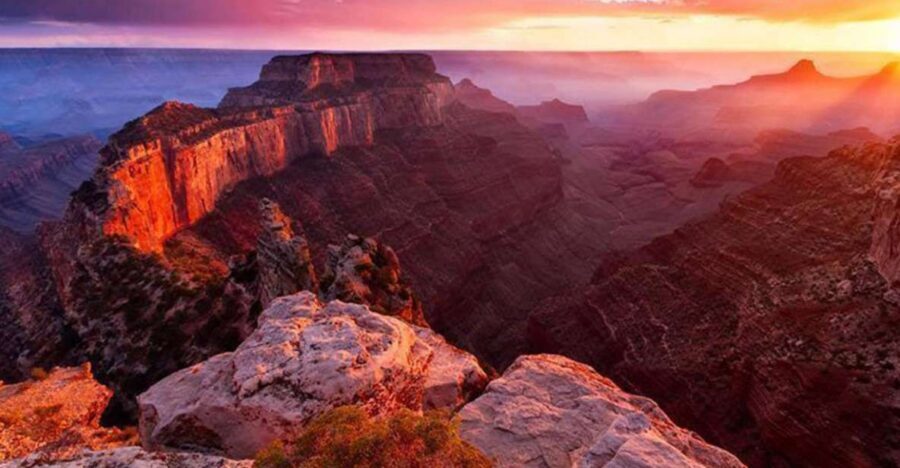
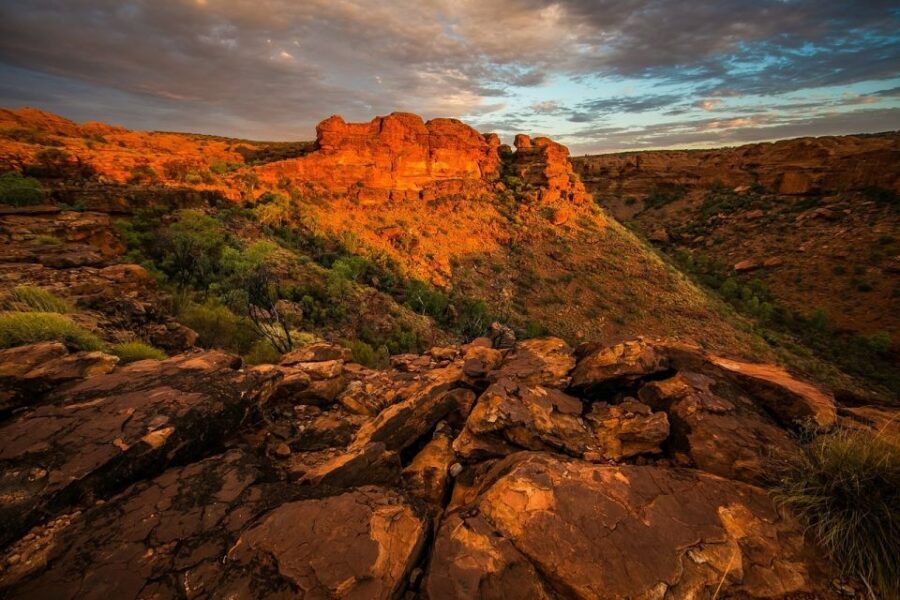
The day culminates with a guided push to the “right” sunset spot. You’ll get that moment where the canyon walls start shifting colors with shadows and changing light—the reason this region has so many repeat visitors.
Timing is the key. Sunset at the Grand Canyon doesn’t happen all at once; it crawls. That’s why the guide matters. Several guides are praised for finding great viewing angles, and at least one review mentions blankets being provided for colder spots while watching the sunset. If you’re going in shoulder season or winter months, plan for chilly rim air even if your earlier drive felt warm.
The other practical note: if you’re the type who loves the long “colors after dark” phase, you may feel the tour’s schedule is a bit tight. One review called out the sense that you leave right after the sun hits the horizon. You still see the sunset, but you won’t have hours of slow-motion afterglow.
How the guides make the day work (names you’ll hear in the van)
This tour is built on narration, not silence. The experience consistently comes alive through guide personalities and their ability to tie multiple themes together: geology, flora and fauna, adventure, and history.
You’ll hear different guide names depending on your date and pickup. People specifically praised Brad for being personable and engaged, Charlie for being a wealth of information, Steve for keeping the trip interesting and teaching geology and local wildlife, and Ezra for answering questions in a pleasant, thoughtful way. Others mentioned Sheldon and Al for maximizing good sites and keeping the group feeling like a unit.
That guide consistency is a big part of the value here. Without it, a long Grand Canyon day can turn into “stop, take photo, move on.” With it, you leave with a mental map of what each viewpoint is telling you.
Comfort, transport, and the practical stuff that affects your experience
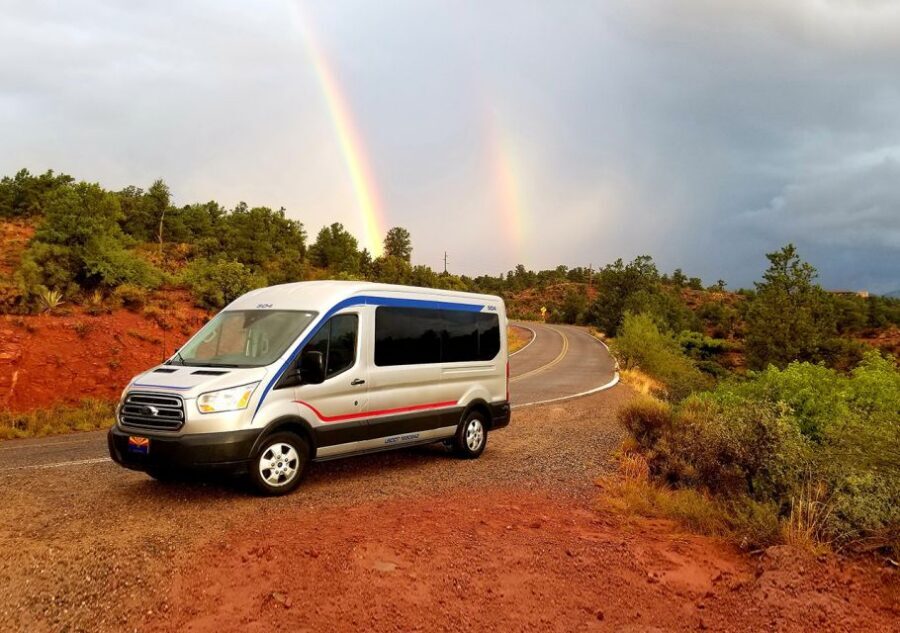
This is not a giant bus tour. You’re in an air-conditioned vehicle that seats no more than 14 passengers, which usually means less chaos and more time to hear what’s going on. That also helps with bathroom stops and with the simple reality of group movement at viewpoints.
One comfort trade-off showed up in a review: a guest wished the seats reclined a little more and the backs were taller. So if you’re sensitive to posture on longer rides, keep that in mind.
The tour includes water, which I appreciate on a rim day. Even when weather feels mild, rim viewpoints can be windy and dry, and you’ll walk a bit more than you think.
Price and value: what you’re really paying for at $240 per person
At $240 per person, this isn’t a budget impulse buy. The value comes from what’s bundled: hotel pickup and drop-off, entry fees and permits, a guide, water, and a route that hits both East entrance views and a multi-stop South Rim sunset finale.
If you tried to DIY this, you’d be paying for a rental car (or rides), spending serious time planning multiple viewpoints, and likely dealing with parking and timing around sunset. You’d also be doing a lot of “What am I looking at?” without someone steering your attention.
Here, you pay for the structure. That structure is what people keep praising: guides who know where to stop, when to stop, and what to point out once you’re there. And the small group size makes that structure feel less like a conveyor belt.
Who this tour fits best
This is a great match if you:
- want Grand Canyon sunset but don’t want to drive and manage the day yourself
- like guided narration that connects rocks + plants + people + place
- prefer a small group experience over big-tour crowds
- want a thoughtful stop like Cameron Trading Post instead of skipping cultural context
If you hate long days in a vehicle, this may feel like too much. The upside is that the stops prevent the time from dragging.
Should you book this Grand Canyon sunset day trip from Sedona?
I’d book it if your priority is a guided, high-value Grand Canyon day that actually helps you understand what you’re seeing. The strongest reason is the combination of multiple rim viewpoints plus a sunset finish that’s guided well, all in a max-14 format with water and hotel pickup.
I’d think twice if you’re the type who wants hours at sunset after the sun disappears, or if you’re very sensitive to car-seat comfort for an 8.5-hour rhythm. Also, if you’re traveling with kids, plan for the required child seat/booster you must bring.
FAQ
FAQ
Where do you get picked up and dropped off?
Hotel pickup and drop-off are included. The tour departs Flagstaff daily around 12–12:30 pm and returns approximately 8:30–9:00 pm.
How big is the group?
The tour is limited to no more than 14 participants, in an air-conditioned vehicle.
What does the price include?
It includes hotel pickup and drop-off, all necessary entry fees and permits, a guide, and water.
Is dinner included?
Dinner is not included. The schedule includes time allotted for dinner on your own.
What places does the tour visit besides the Grand Canyon?
You’ll stop at the Historic Cameron Trading Post and visit viewpoints along the South Rim after entering the park.
What’s the special cultural stop?
The Historic Cameron Trading Post on Navajo Tribal Land is included, with time to shop for Native American craftsmanship.
Do children need their own car seat or booster?
Yes. Arizona law requires children eight years and younger to be in a car seat/booster seat, and guests are required to bring their own.