REVIEW · SEDONA
Sedona Night Hike and Stargazing Tour
Book on GetYourGuide →Operated by Arizona Red Rock Adventures LLC · Bookable on GetYourGuide
Night makes Sedona feel brand-new. This Sedona night hike mixes a real adventure (rocky steps in the dark) with desert science, then tops it off with stargazing when the sky actually cooperates. I especially like the UV flashlight scorpion scouting, because it turns the desert’s nighttime secrets into something you can safely see for yourself. I also like that you’re guided by a certified Wilderness First Responder, not just someone with a good story.
One consideration: you’ll be hiking in low light for a good chunk of time, so you’ll want solid shoes and a steady pace.
In This Review
- Key Highlights at a Glance
- A Sedona Night Hike That Starts Before the Stars
- Whole Foods Meet-Up and the Van Ride to Doe Mountain
- The Hike: Red Rocks in Fading Light, Then Darker Trail
- Stopping for the Night Sky: Constellations and Planets You Can Follow
- UV Flashlights and Glowing Scorpions: The Most Fun Kind of Science
- Guide Safety in the Dark: WFR Skills and Night Navigation
- What You Get for $495: Value in Transportation, Guide Time, and Night Extras
- Practical Gear Tips: Shoes, Water, and Lights You Can Depend On
- Who This Sedona Night Hike Is Best For
- Who Should Skip It
- Should You Book the Sedona Night Hike and Stargazing Tour?
- FAQ
- Where do we meet for the Sedona Night Hike and Stargazing Tour?
- How long is the tour, and how much time is spent hiking?
- What activities are included during the tour?
- What should I bring for the night hike?
- Is there a cancellation option if plans change?
- Who is the tour not suitable for?
Key Highlights at a Glance
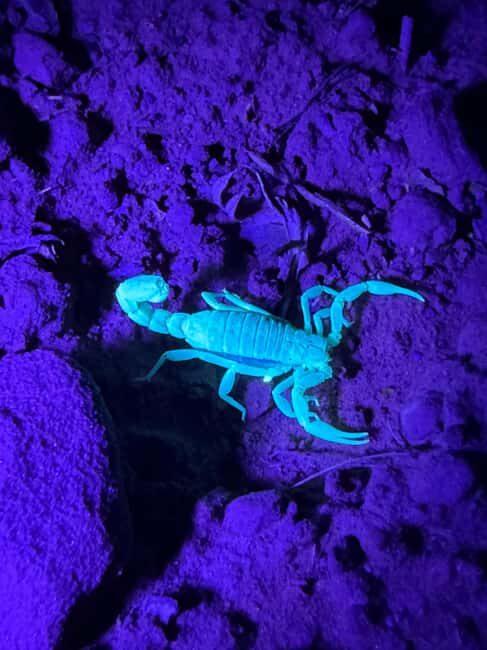
- UV scorpion scouting that reveals scorpions glowing blue-green under ultraviolet light
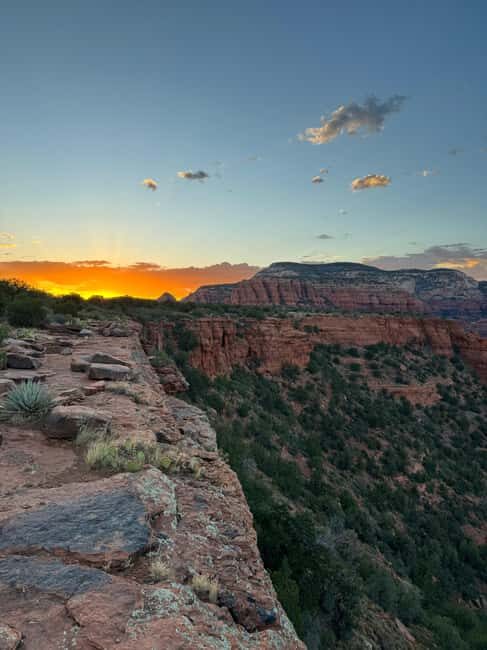
- Doe Mountain hike with sunset glow first, then darker trails as stars come out
- Stargazing with a guide and a laser, for constellations and planets you can actually track
- Night wildlife spotting by signs, with stops aimed at owls, bats, and other nighttime activity
- WFR-certified guides focused on safety and night navigation skills
- Pickup, van transportation, and snacks so you can focus on the hike instead of logistics
A Sedona Night Hike That Starts Before the Stars
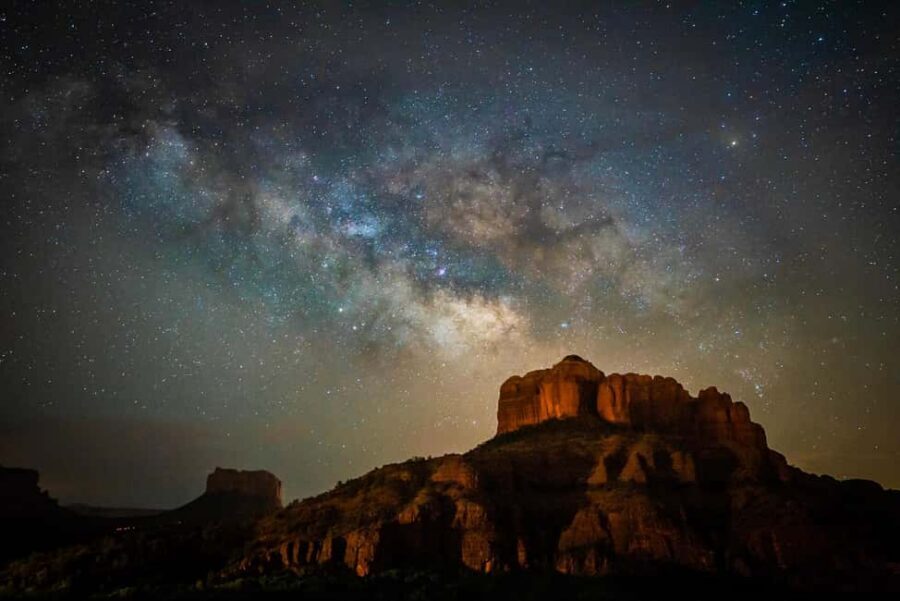
This tour is built around the shift from desert sunset to real night sky. You start while the sky still has color, then move into darker ground where stars look sharper and the whole area feels quieter.
What makes it more than a basic walk: you’re not just watching the view. You’re learning how to read the night—constellations overhead, clues on the trail, and even what hides in cracks and under rocks.
And yes, the UV part is the main event for many people. You’re using ultraviolet lights to find glowing scorpions, which feels a little sci-fi. But it’s also practical: your guide shows you where to look without messing with the animals’ natural behavior.
Other Sedona hiking tours we've reviewed
Whole Foods Meet-Up and the Van Ride to Doe Mountain
You’ll meet in the southwest corner of the parking lot at Whole Foods Market. From there, a short van ride gets you into hiking position without making you stress about parking or timing.
That 15-minute transition matters more than you’d think. It gives you a little decompression before the climb, and it keeps the group together before things get dark. You also get picked up and dropped off at the designated spot, so you’re not driving yourself after an evening out.
The Hike: Red Rocks in Fading Light, Then Darker Trail
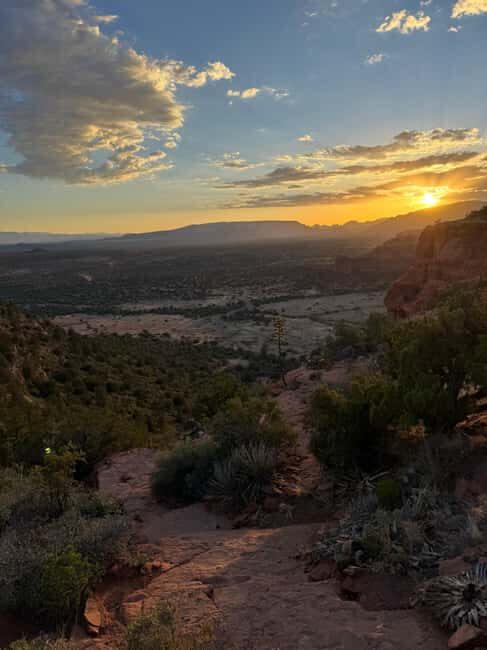
The hiking portion focuses on Doe Mountain, and the full guided hike lasts about 3 hours. You’re not doing a quick stroll. You’re hiking through changing light, which means your body feels it—cooler air, uneven ground, and the simple fact that you can’t see everything the way you can in daytime.
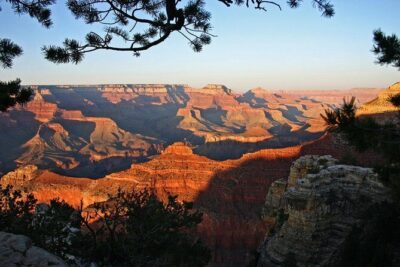
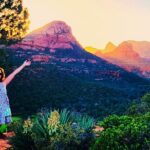
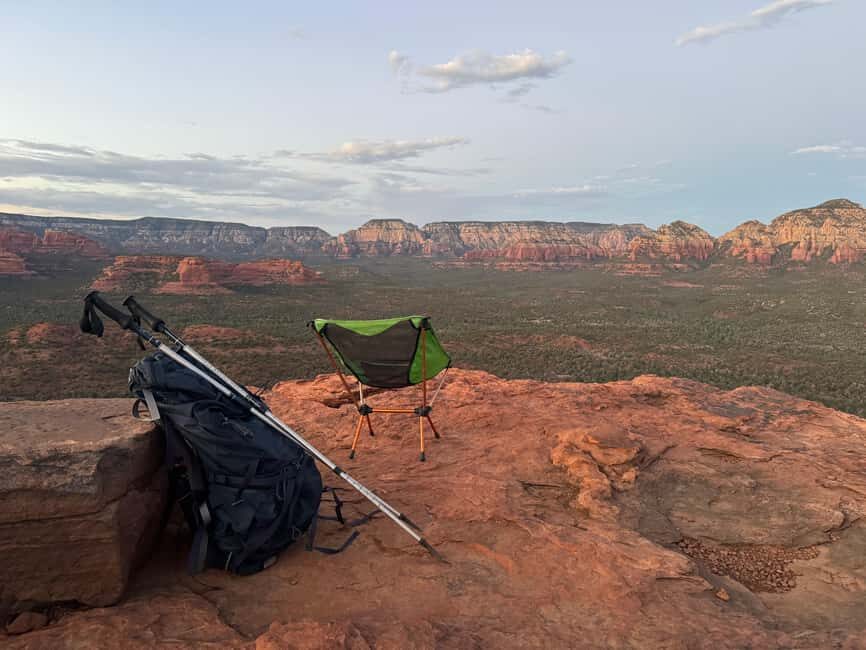
Early on, you head toward a scenic vista as sunset fades. This is when Sedona’s red rocks do their glowing thing. It’s a nice warm-up for the rest of the evening, because it’s still bright enough to take in the terrain and settle into the pace.
As night falls, your guide keeps you on quieter, more remote trail sections. That’s what makes the sky viewing work. If you stay too close to bright areas, stars look washed out. Here, the goal is to get you into conditions where the desert feels like a different place.
Stopping for the Night Sky: Constellations and Planets You Can Follow
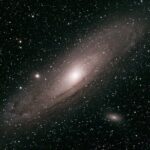
At the summit area, you pause to take in Sedona’s night sky. The big advantage here is minimal light pollution, so the stars are visible in a way that feels almost unfair to your daytime brain.
Your guide points out constellations and planets with a laser. That detail helps a lot. Instead of staring upward and hoping you guess correctly, you’re shown what you’re looking at and how to find it again as the sky shifts.
If you’re brand-new to stargazing, this is the kind of setup that keeps you from feeling lost. The goal isn’t a lecture. It’s guidance you can follow while you’re outside on uneven ground, in the dark.
UV Flashlights and Glowing Scorpions: The Most Fun Kind of Science
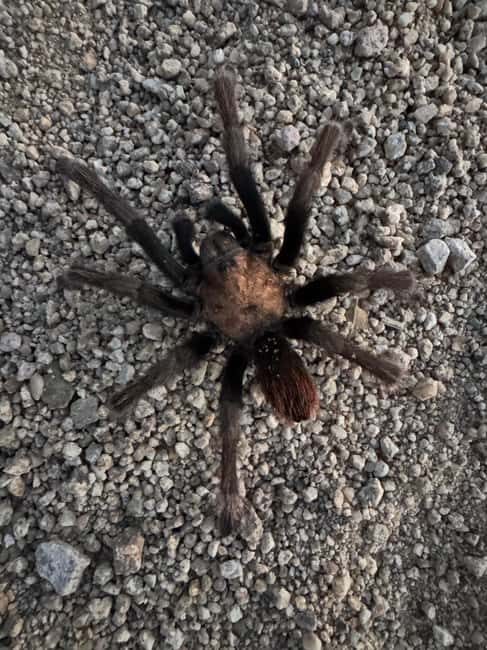
One of the most memorable moments is scorpion scouting using UV flashlights. Under ultraviolet light, scorpions glow a vivid blue-green. That glow shows up in places where you’d never notice them in regular darkness.
Your guide uses this as a safe way to observe wildlife without shining harsh light or crowding the animal’s space. You’re not trying to catch anything. You’re learning how the desert night hides life—and how to spot it respectfully.
This is also why the tour blends adventure and science so well. You’re seeing how tools (UV light) can reveal patterns you normally miss. It’s a hands-on lesson in nighttime ecology, even if you’re not a science person.
And if the desert decides to show off, you might encounter other creatures during the evening. One guide’s calm, humorous approach can make wildlife sightings feel like part of the night’s story, not a panic moment.
Other stargazing and night sky tours in Sedona


Guide Safety in the Dark: WFR Skills and Night Navigation
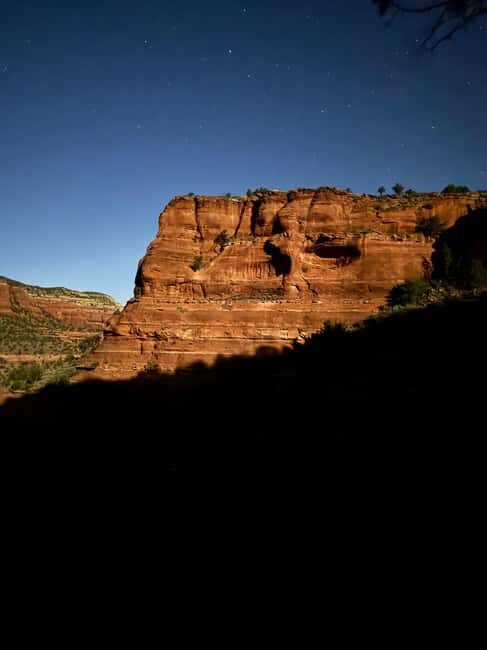
Night hiking demands more than enthusiasm. You need someone who thinks ahead, watches footing, and can respond if something goes wrong.
That’s why the WFR-certified part matters. Wilderness First Responder certification is designed for real-life emergencies in remote settings. Add night orienteering skills, and you get the reassurance that someone is actually competent about moving safely after dark.
In practice, a good night-hike guide helps you feel normal. They slow the pace when needed, keep the group together, and build confidence as the trail gets darker. Even if you’re nervous at the start, you’re guided step-by-step so you don’t have to perform bravery.
What You Get for $495: Value in Transportation, Guide Time, and Night Extras
The price is $495 per group (up to 1). On its face, that’s not cheap. But it’s worth judging by what’s included and what’s not.
You’re getting:
- Expert local guide support for the full evening
- Van transportation with pickup/drop-off at the meeting spot
- Guided hike up Doe Mountain
- Stargazing guidance with constellation/planet identification
- Scorpion scouting with UV flashlights
- Snacks during the experience
When a night tour includes transportation, a safety-focused guide, and the special equipment for UV scouting, it stops looking like a simple hike-for-views. You’re paying for expertise, time, and the conditions that make stargazing and wildlife spotting actually work.
It’s best value if you’re going solo and want a private, attention-heavy experience. If you’re traveling with a larger party, you may want to compare other options that price per person or that support multiple riders per booking.
Practical Gear Tips: Shoes, Water, and Lights You Can Depend On
You’ll want to bring comfortable shoes. The ground at Doe Mountain isn’t gym-floor smooth, and in the dark your footing matters even more.
Bring a hat and water. The tour includes snacks, but water is still your responsibility. Sunscreen is also recommended, which is a good reminder that you’ll start before sunset when daytime sun can still be strong.
A camera is recommended. You’ll likely want to try shots during the brighter phases and then again while stargazing. Night photography is tricky, but having a camera ready means you can experiment when the sky opens up.
Dress in weather-appropriate layers. Even in comfortable months, desert nights cool down quickly. If you get cold, your attention shifts from the night sky to your body.
Who This Sedona Night Hike Is Best For
This tour is a great fit for people who want more than a generic stargazing session. If you like nature science, hands-on moments, and a guide who can explain what you’re seeing in plain language, you’ll probably enjoy the structure.
It’s also a solid choice for first-time night hikers who want support. The combination of a WFR-certified guide and step-by-step pacing helps reduce the fear factor that can come with hiking after dark.
Families can work well too, especially when kids are curious and able to manage a rocky, dim-light hike. One account highlighted how the guide stayed patient when a child had a tough moment, which says a lot about the tone and pacing.
Who Should Skip It
The experience isn’t suitable for babies under 1 year or people over 95 years.
Beyond the age limit, consider your comfort with hiking in low light. If you’re dealing with mobility limits or you struggle with uneven ground, you might feel challenged by the darker trail sections. This is an outdoors activity, not a sit-and-watch stargazing bus tour.
Should You Book the Sedona Night Hike and Stargazing Tour?
I’d book it if you want a night with real structure: sunset glow, a guided climb, stargazing you can actually follow, and UV scorpion scouting that turns the desert into a living science lesson. The WFR certification and night-navigation skills are the difference between fun and frustration, especially when you’re far from a bright parking lot.
I wouldn’t book it if you only want an easy evening with minimal walking. This tour includes a full guided hike (about 3 hours), and the dark portion is part of the point.
If you’re excited by stars, curious about nocturnal wildlife, and you don’t mind a bit of night footing, this is the kind of Sedona experience you’ll remember when the daylight crowds are long gone.
FAQ
Where do we meet for the Sedona Night Hike and Stargazing Tour?
You’ll meet in the southwest corner of the Whole Foods Market parking lot.
How long is the tour, and how much time is spent hiking?
The total duration is 4 hours. The guided hike up Doe Mountain is about 3 hours.
What activities are included during the tour?
You’ll hike with an expert local guide, enjoy stargazing, and do scorpion scouting using UV lights. Snacks are included as well.
What should I bring for the night hike?
Bring comfortable shoes, a hat, water, and a camera (recommended). Sunscreen and weather-appropriate clothing are also recommended.
Is there a cancellation option if plans change?
Yes. You can cancel up to 24 hours in advance for a full refund.
Who is the tour not suitable for?
It’s not suitable for babies under 1 year old or for people over 95 years old.