REVIEW · SEDONA
From Flagstaff or Sedona: Antelope Canyon Full-Day Tour
Book on GetYourGuide →Operated by Arizona Tour & Travel · Bookable on GetYourGuide
Antelope Canyon is the kind of place that changes your sense of scale. I love that you walk into the slot canyon narrows with a Navajo guide, so the rock formations come with meaning, not just photos. I also like the route: you start with Oak Creek Canyon scenery, then stack big viewpoints before you ever reach the canyon walls.
The main drawback is the day is long and physical. You’ll be in the van for hours, and you’ll do about 90 minutes of walking on uneven, unpaved terrain, so it’s not a great fit if you have back, heart, or mobility issues.
In This Review
- Key things to know before you go
- Why Antelope Canyon’s light show feels otherworldly
- Oak Creek Canyon and the climb to the Colorado Plateau
- San Francisco Peaks views: why this detour is worth it
- Cameron Trading Post: art, culture, and a practical break
- Horseshoe Bend and the Colorado River overlook
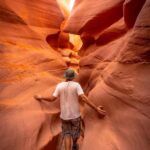
- Entering the slot canyon narrows: what the walk actually feels like
- The long drive reality (and why it’s still part of the value)
- Guides make or break the experience
- What’s included at $311—and what you’re really paying for
- Who this tour suits best (and who should skip it)
- Tips to feel good on this day
- Should you book this Antelope Canyon full-day tour from Flagstaff or Sedona?
Key things to know before you go
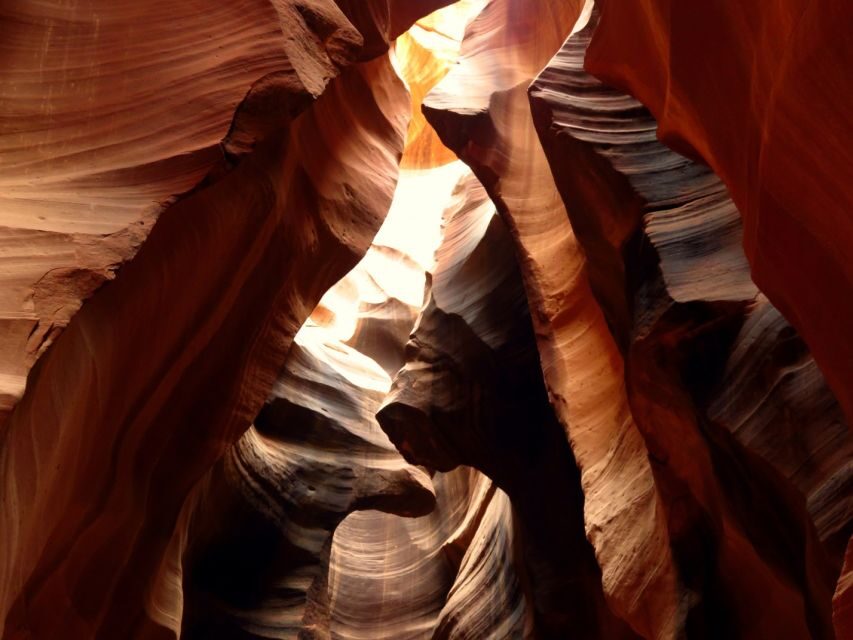
- Navajo-guided Antelope Canyon: you get the land’s story from a Navajo guide, not a script.
- Small group size: limited to 14 participants, which makes the day feel more personal.
- A route packed with viewpoints: Oak Creek Canyon, San Francisco Peaks views, Horseshoe Bend, and more.
- Hiking comfort matters: you’ll walk on uneven ground for about 90 minutes in the canyon.
- Cameron Trading Post stop: time to browse Native American art at a well-known historic stop.
Why Antelope Canyon’s light show feels otherworldly
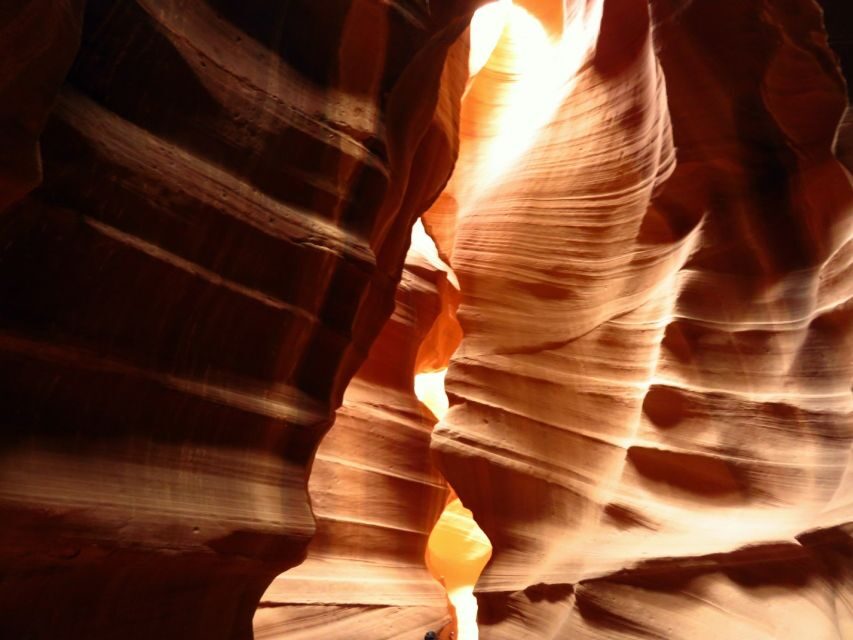
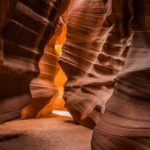
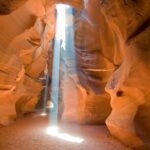
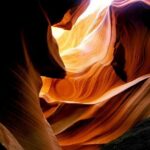
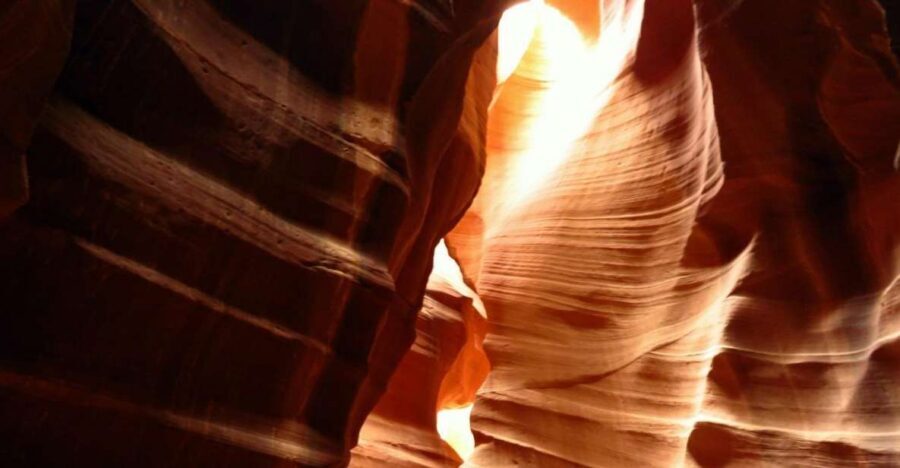
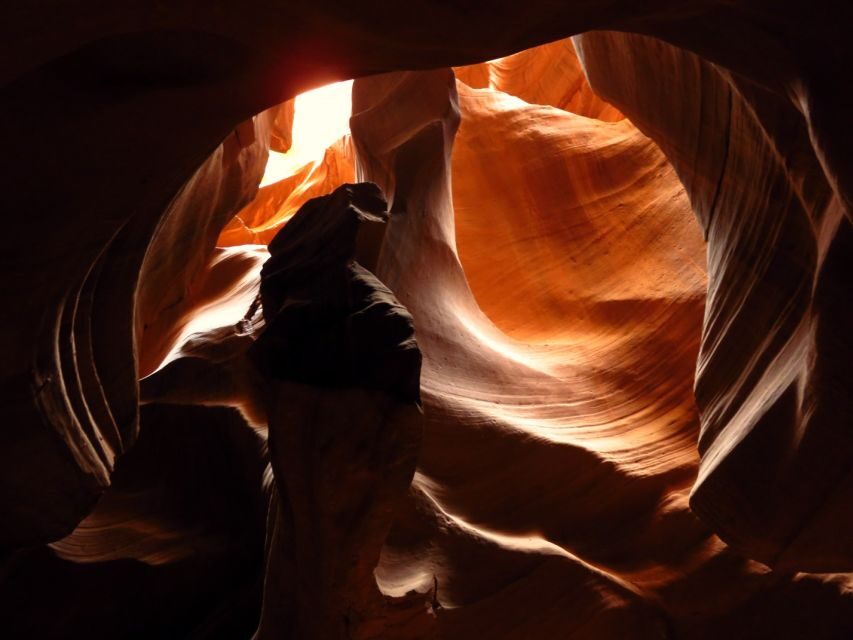
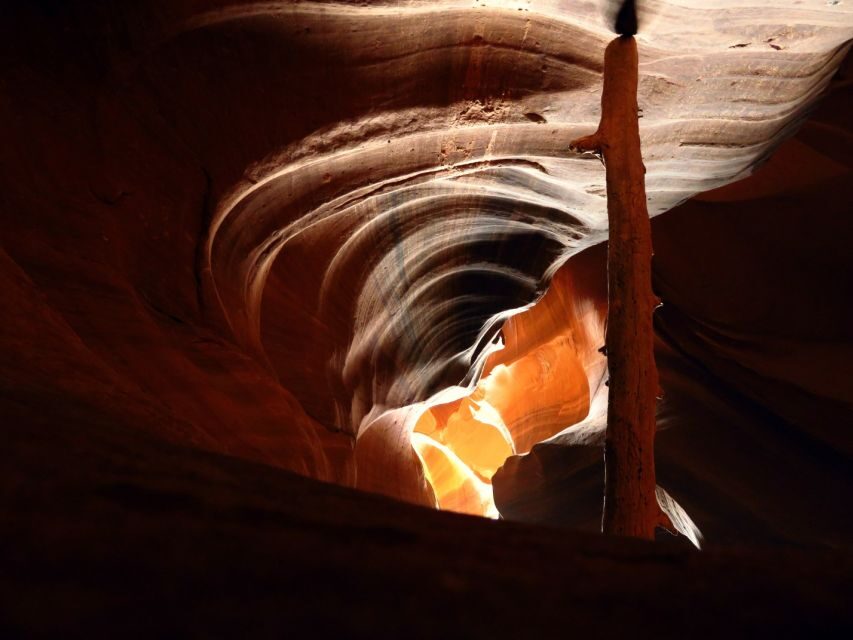
Antelope Canyon earns its reputation because the rock is basically a light machine. As the sun hits the narrow walls, you can see shifting colors—orange, yellow, blue, and purple tones—bounce off the sandstone surfaces. It looks almost too perfect, but that’s the point: the canyon is shaped to turn daylight into a spectacle.
You won’t just stand around waiting for good angles. You’ll take an actual guided walk into the narrows, so the space feels tight and tall at the same time. That up-close scale is exactly why so many people rate this as a must-do, even if they’ve done bigger-name stops before.
Expect the canyon to be cooler than the desert outside, so build in a warm layer. And remember: the walk is on uneven, unpaved ground, so good shoes are not optional.
Other Antelope Canyon tours we've reviewed
Oak Creek Canyon and the climb to the Colorado Plateau
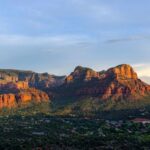
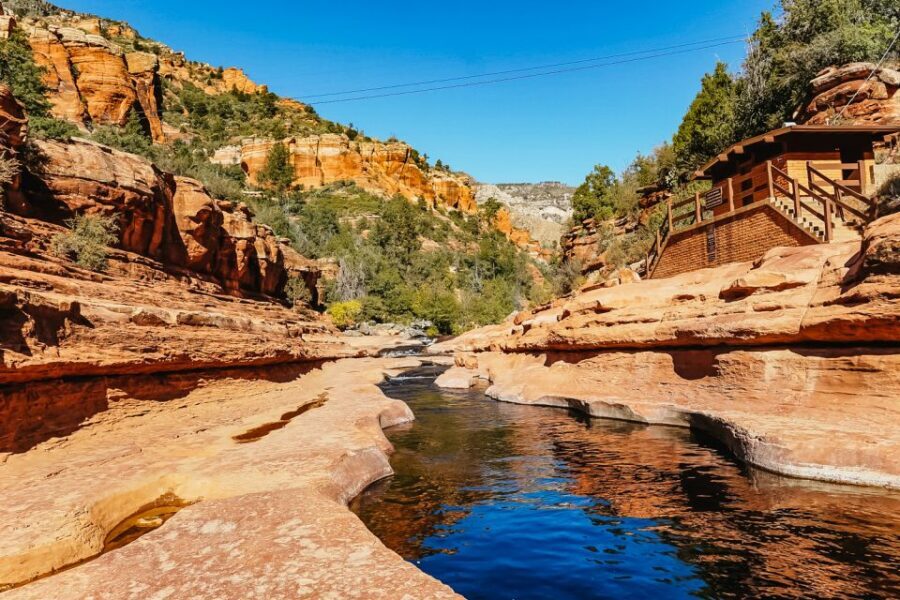
Before you ever reach Page, the tour gives you a dramatic “Arizona in layers” intro. Starting from Sedona, you drive through Oak Creek Canyon, with elevation climbing roughly from 4,500 feet up to about 7,500 feet as you move toward the Colorado Plateau.
This is more than scenery padding. That elevation change makes the views feel sharper and the terrain feel different from what most people expect in Arizona. You also get a view of the San Francisco Peaks, Arizona’s largest volcanic mountain range, peaking at about 12,600 feet.
If you like geology or just enjoy noticing how places change as you drive, this part pays off fast. It also helps break up the long day so you’re not thinking only about the canyon all morning.
San Francisco Peaks views: why this detour is worth it
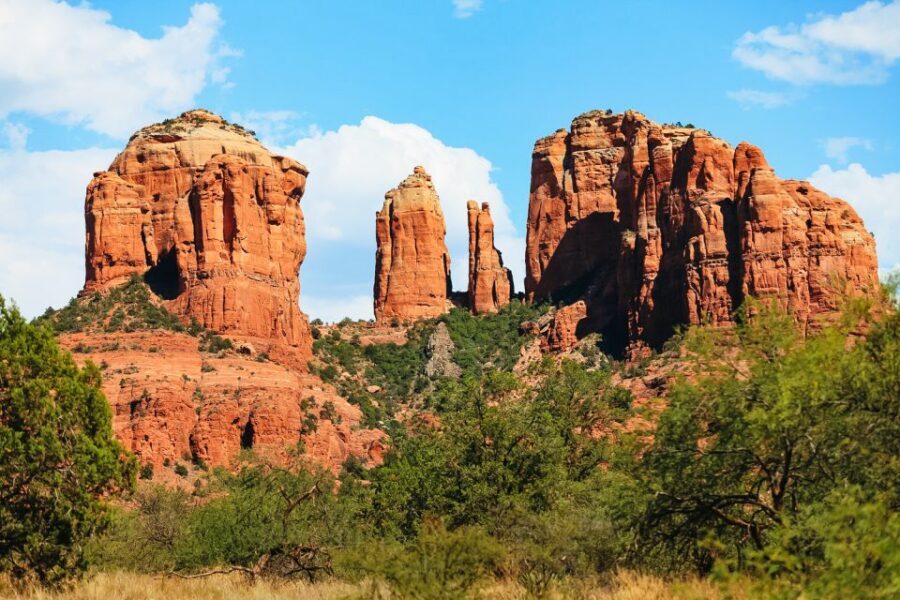
You could drive straight to Page and skip the extra stops. This tour doesn’t do that, and I get why.
The San Francisco Peaks view gives you context for the region. You’re not just chasing a photo; you’re seeing the bigger volcanic backdrop behind the desert and plateau. Even from a distance, those peaks look like a whole other weather system sitting over Arizona.
This is also a nice reminder that the canyon isn’t the only star. The tour sets you up to appreciate how water, rock, and elevation work together across the area.
Cameron Trading Post: art, culture, and a practical break
At some point in the day, you’ll stop at the Cameron Trading Post, a historic spot known for Native American art. This is where you can browse—slow down, warm up, and pick up a small piece you’ll actually remember.
I like this stop because it’s not just shopping time. It’s a pause between physical and scenic moments, plus it supports local craft traditions in a place built for that purpose.
Bring a card or some cash. Also, pace yourself. If you shop right after a long drive, it’s easy to overspend on impulse. Take a lap, compare items quickly, then decide.
Horseshoe Bend and the Colorado River overlook
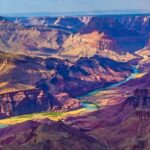
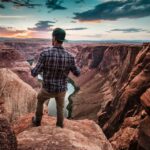
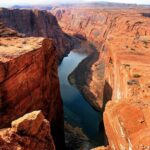
After you leave Oak Creek Canyon behind, you’ll walk at Horseshoe Bend, standing at an iconic clifftop overlook of the Colorado River. This stop is a classic for a reason: the curve is so tight and clean that your brain struggles to believe a river can carve something so perfect.
You’re not hiking far here, but you are on a clifftop area. Wear shoes with solid grip and don’t rush your footing while you’re trying to line up photos. A calm pace makes your visit better, not worse.
From there, you’ll get broader views that include Lake Powell and Glen Canyon. Even if you don’t memorize every geographic name, seeing the river system and canyon country together makes the day feel connected, not random.
A few more Sedona tours and experiences worth a look
Entering the slot canyon narrows: what the walk actually feels like
The heart of the tour is the Antelope Canyon narrows walk on Navajo land east of Page. This is the part that people call mindblowing, but the real value is how your guide explains what you’re seeing.
A Navajo guide helps you connect the shapes and patterns to natural processes and cultural context. In past tours, guides have been praised for staying on schedule, keeping the group comfortable, and helping people get great photos without turning it into chaos. Names that have come up include Lionel for the canyon experience, and other tour guides have been cited for making the whole day feel smooth and friendly—Al, Sheldon, Bryan, Kurt, Jeff, Charlie T, Allen, and others.
You should plan for about 90-minute walking on uneven, unpaved terrain. That means you’ll want:
- Hiking shoes or sturdy tennis shoes
- a warm outer layer (slot canyons can feel chilly)
- weather-appropriate clothing for the day overall
Water is included, which helps, because you’ll be out for a long stretch. And you’ll want to move at your own pace. The canyon isn’t a race. Your photos will be better when you’re not rushing.
The long drive reality (and why it’s still part of the value)
This is a full-day outing: roughly 630 to 690 minutes. That’s about 10.5 to 11.5 hours, with significant time on the road.
So yes, you’re in a van for a while. But you’re not just passively traveling. The tour layers scenic stops so the drive is doing something: viewpoints, altitude shifts, and big-country scenery between the main events.
Also, the group is limited to 14 participants, and that matters on a day like this. A smaller group usually means less waiting, easier pacing for photos, and a better vibe when you’re trying to hear guide commentary over roadside views.
One more practical note: lunch is on your own. Build in the idea that you’ll choose food based on what you can grab that day, not what you had planned at home.
Guides make or break the experience
The best part of this tour for me is how much the guides shape the day. In many accounts, the van guide keeps things organized and upbeat, and then the Navajo guide at Antelope Canyon adds the layer of meaning that turns scenery into learning.
You’ll also notice that timing is often called out: guides who are prompt at hotel pickup and careful about the schedule make the whole day feel less stressful. Pickup works with a 30-minute window at your Flagstaff or Sedona hotel, and the tour includes hotel pickup and drop-off, which takes one major headache off your plate.
There’s also a good sign for safety and comfort. Several guides have been described as making sure everyone is comfortable, safe, and happy throughout the route. If you’re the type who worries about whether you’ll be able to keep up, that reassurance matters.
One caution: if English is not your first language, you might find that not every guide slows down or adjusts perfectly. One account specifically mentioned the guide not adapting well to miles and Fahrenheit. It’s not a reason to avoid the tour, but it is a hint to consider whether you’re comfortable with fast-paced explanations.
What’s included at $311—and what you’re really paying for
At about $311 per person, this isn’t a bargain. But it’s also not just a ticket to a canyon view.
Here’s what’s included:
- Hotel pickup and drop-off
- Roundtrip transportation by tour van
- Guide
- Water
What’s not included:
- Lunch on your own
So you’re paying mainly for two things: access and logistics. Antelope Canyon narrows are guided, and getting there from Flagstaff or Sedona without handling directions, parking, and timing yourself is the entire point. The small group size and the inclusion of water help the day run smoother.
Is it worth it? If you want to see more than one big site—Antelope Canyon plus Horseshoe Bend, Lake Powell area viewpoints, and Cameron Trading Post—then the price starts to make sense. If you only care about the canyon and you’re the kind of traveler who enjoys driving and planning every stop, you might compare costs. But if you want one guided day that stitches together the best of the route, the value is stronger.
Who this tour suits best (and who should skip it)
This is a great fit for people who:
- can handle a long day
- can walk for about 90 minutes on uneven, unpaved terrain
- want a guided experience with Navajo explanation at the canyon
- like seeing multiple landmarks in one outing rather than making this a solo day
It’s not suitable for:
- people with back problems
- people with mobility impairments
- wheelchair users
- people with heart problems
There are also specific restrictions you should know:
- Dogs, including service dogs, are not permitted on the tour.
- Women more than 5 months pregnant are not allowed.
- Children under 5 are not allowed.
- Arizona law requires car seats/boosters for children 8 and younger, and you must provide your own.
If you’re traveling with kids, this is the kind of tour where the fine print matters. Plan for a car seat if your child qualifies.
Tips to feel good on this day
You’ll enjoy the canyon more if you set yourself up for comfort early.
- Wear hiking shoes with grip. The ground is uneven.
- Pack a warm outer layer even if the desert feels hot outside.
- Dress in weather-appropriate layers. Temps can swing.
- Take your time at Horseshoe Bend for photos; don’t scramble on the clifftop.
- When shopping at Cameron Trading Post, go in with a budget so you don’t end up rushing at the end of the day.
And mentally, give yourself permission to enjoy the drive scenery. This tour isn’t a quick drive-by. It’s a whole day of Arizona viewpoints.
Should you book this Antelope Canyon full-day tour from Flagstaff or Sedona?
If you want Antelope Canyon narrows with a Navajo guide, plus a full “big sights” day that includes Horseshoe Bend and the Lake Powell area viewpoints, I think you’ll be happy you booked. The small group size, hotel pickup/drop-off, and included water make it feel easier than cobbling this together yourself.
I’d pass if you’re dealing with significant mobility limits or back/heart concerns, because the uneven terrain and long day are central to how the tour works. Also, if you hate long car rides, treat this as a downside up front rather than something you’ll ignore once you’re there.
My bottom-line take: book it if you’re ready for a long, guided, photo-and-walk day. Don’t book it if you’re looking for a short, easy outing.