REVIEW · SEDONA
Sedona Vortex Odyssey – A Spiritual & Scientific Adventure
Book on Viator →Operated by Dynamic Journey Tours · Bookable on Viator
Sedona can feel mystical fast, but this tour also gives you the map. You’ll pair vortex sightseeing with geology and spiritual context across a tight 3-hour route that avoids the long hike problem. I love the pacing: you reach the right viewpoints without spending your whole day grinding uphill.
My other favorite part is the mix of perspectives at each stop, including Amitabha Stupa and Peace Park for a calm, reflective change of pace. One possible drawback: the guide can pack in a lot of ideas and explanations, so if you want mostly silence and minimal talk, this may feel like more input than you expected.
In This Review
- Key Highlights You’ll Actually Feel During the Tour
- From 105 Roadrunner Dr to Vortex Viewpoints Fast
- Airport Mesa: Geology First, Then the Vortex Story
- Thunder Mountain: When the Weather Adds Extra Drama
- Amitabha Stupa and Peace Park: A Calm Stop With Big Context
- Rachel’s Knoll and the Seven Canyon Connection
- Lover’s Knoll: The Best Views With No Big Hike
- Price and Value: Is $130 Worth It in 3 Hours?
- Group Size, Timing, and Why It Feels Easy
- What You’ll Learn (And How the Guide Shares It)
- Who This Tour Suits Best in Sedona
- Should You Book the Sedona Vortex Odyssey?
- FAQ
- How long is the Sedona Vortex Odyssey tour?
- What does the tour cost?
- How many people are in the group?
- Is the tour offered in English?
- Where do we meet for the tour?
- Do I need to hike to see the best views?
- What is included in the price?
- Is gratuity included?
- What happens if the weather is bad?
Key Highlights You’ll Actually Feel During the Tour
- Small group size (max 12): easier conversation, less crowd pressure at the viewpoints
- Airport Mesa + Mogollon Rim context: geology explained alongside the vortex story
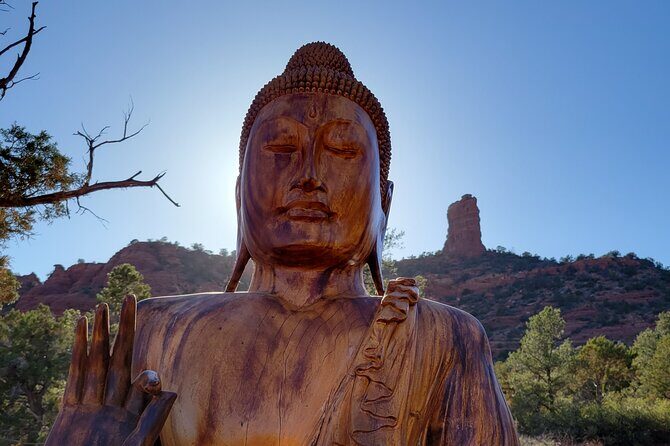
- Amitabha Stupa and Peace Park: a peaceful spiritual stop that also frames local Native traditions
- Thunder Mountain viewpoints: another vortex site where lighting is part of the local lore
- Lover’s Knoll without a long hike: big-sky views in about 30 minutes
- Real photo time: the schedule leaves room to sit, look, and shoot instead of rushing
From 105 Roadrunner Dr to Vortex Viewpoints Fast
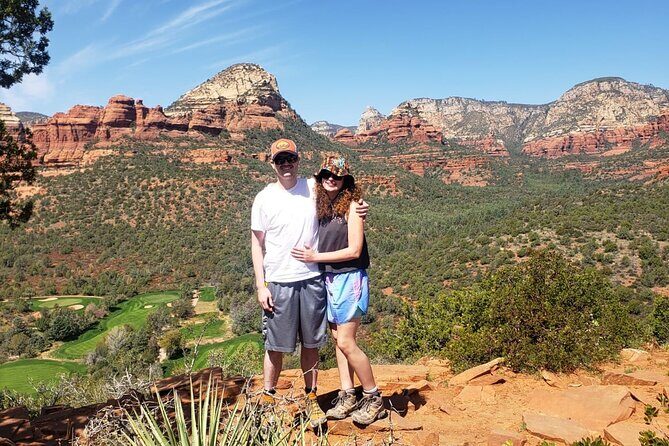
The experience starts at the office at 105 Roadrunner Dr #9 in Sedona, with a short check-in window to get everyone organized. That matters because Sedona traffic and parking can turn your plans into a scavenger hunt. From there, you shift quickly into “see it, understand it, then see it again with better eyes” mode.
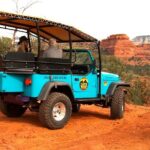
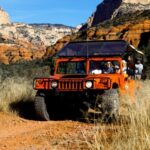
You’re traveling in an air-conditioned vehicle, which is a nice quality-of-life detail in Sedona’s heat swings. And with a maximum of 12 people, you’re not stuck in a giant bus situation where you barely hear the guide, much less ask questions.
If you’re new to Sedona, I like the way this format works as a first-day or last-day refresher. It gives you a fast understanding of where the vortex sites sit in the larger story of the region, so the rest of your trip feels more intentional.
Other vortex tours we've reviewed in Sedona

Airport Mesa: Geology First, Then the Vortex Story
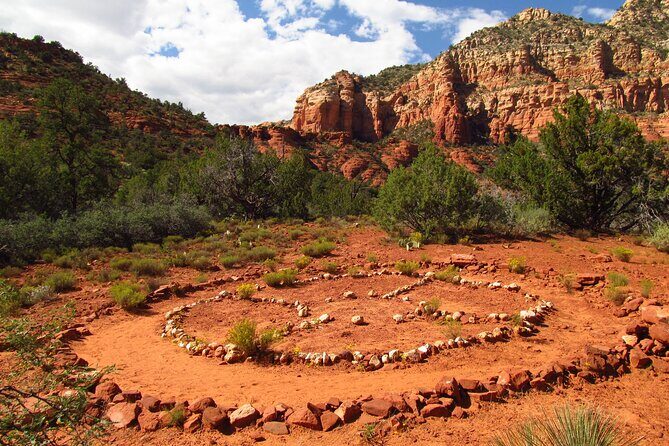
Airport Mesa is the tour’s early anchor, and it sets expectations for the day. You get a 30-minute stop where the guide explains the Mogollon Rim and the geology of the area, along with how crystal and mineral ideas tie into the vortex phenomenon. Even if you take the metaphysics with a light touch, the geology framing helps you notice shapes, layers, and terrain changes you’d otherwise ignore.
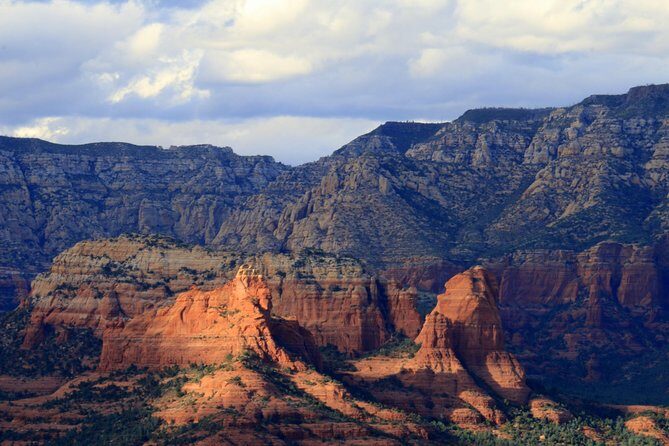
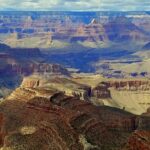
The viewing itself is a big deal: you look out from up top at a canyon roughly 4 miles long and half a mile wide (seen from the Airport Vortex area). That kind of scale changes your brain. Suddenly the vortex idea feels less like a name and more like a way people describe a place that already looks powerful.
One practical plus: this stop is also a strong “photo window.” You’re not doing a long walk to earn the view, so you can focus on composition, lighting, and capturing the canyon lines instead of conserving energy.
Thunder Mountain: When the Weather Adds Extra Drama
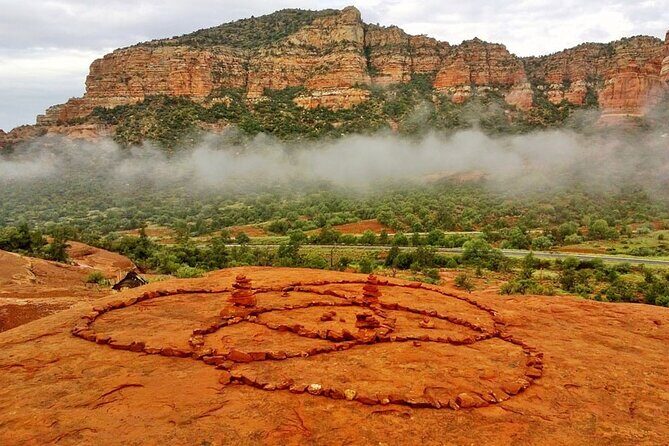
After Airport Mesa, the route continues to Thunder Mountain, another vortex site that pulls people in for its history and energy. The standout detail is the local association with lightning happening more often here than on other nearby peaks, which becomes part of the explanation as you look out from the vantage point.
In plain terms, this stop helps you understand that Sedona vortex culture isn’t just about one location. It’s a network of viewpoints where people feel certain patterns repeat across the terrain. Even if you’re science-minded, you can still appreciate the logic of why people would connect weather behavior, elevation, and rock form.
A small heads-up for your expectations: lightning lore is not the same as a guaranteed storm show. You’re going for the perspective and the meaning behind it, not a meteorology performance.
Amitabha Stupa and Peace Park: A Calm Stop With Big Context
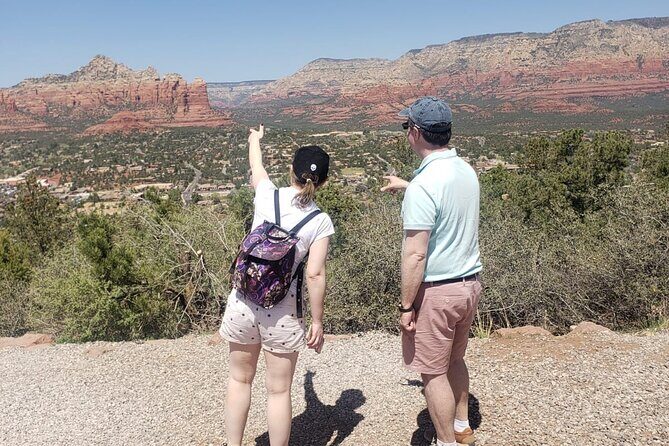
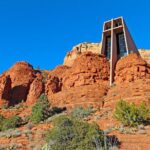
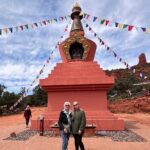
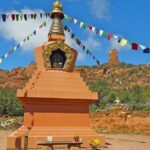
Then comes the stop that changes the tempo. Amitabha Stupa and Peace Park runs about 50 minutes, and it’s built for reflection. You’re looking at a Buddhist park with a designated shrine to Amitahba (Buddha of Light), and the guide connects that with Native American shamanism and the Hopi way of life.
This is where the tour does something useful for anyone trying to balance spirituality and respect. Instead of presenting vortex talk as floating in a vacuum, it places it next to existing cultural frameworks tied to the land. You’re not just learning “Sedona has vortices.” You’re seeing how people try to explain why certain places feel different.
You’ll also get sightlines like chimney rock views from the Peace Park area, plus a named local formation called the Rise of the Elders. That combination is great if you like odd rock shapes because the guide’s story gives the formation a human reference point, not just an interesting profile.
And yes, this stop has a lot of people’s favorite “slow down” energy. One guest even mentioned using copper dousing rods during the tour after losing glasses, which adds a human reminder: sometimes the experience isn’t only about the metaphysics, it’s also about paying attention and staying present.
Rachel’s Knoll and the Seven Canyon Connection
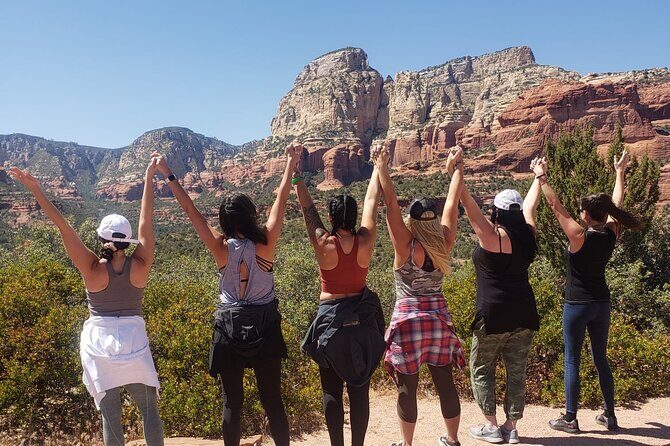
The day also includes viewpoints connected to Rachel’s Knoll, including a look into the long canyon from up top. You’ll hear this tied to the idea of where vortex energy gathers in Sedona, plus references to Seven Canyon region ruin concentrations in that broader area.
I like this portion because it’s a bridge between the quieter spiritual content and the more story-driven land preservation angle later. You get geography and meaning in the same breath, so the day feels cohesive instead of like separate attractions stitched together.
Also, this is a smart pacing choice. After two viewpoint stops, you’re ready for a change that isn’t physically demanding but still feels like you discovered something new.
Other spiritual experiences in Sedona


Lover’s Knoll: The Best Views With No Big Hike
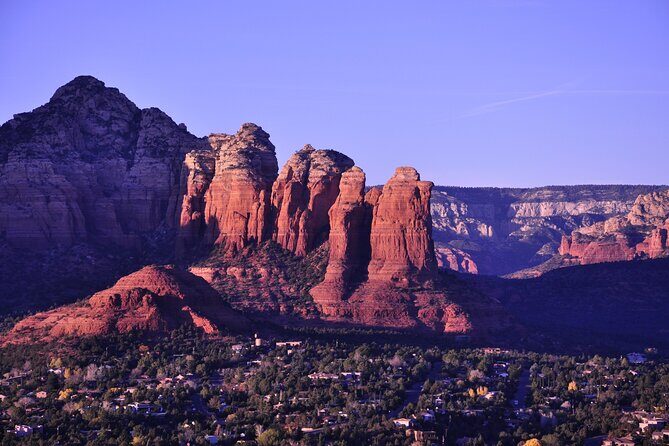
The tour saves its “wow, easy mode” moment for the last major viewpoint: Lover’s Knoll. This stop is about 30 minutes and is specifically framed as a place where you can get one of the best views in Sedona without hiking.
That matters a lot if your trip plan includes limited mobility, time limits, or you simply want your legs to last for the rest of the week. Reviews repeatedly point to the benefit of seeing key vortex sites in a way that still feels like you’re outdoors and noticing details, not sprinting between photo stops.
This is also where the story turns into preservation. The guide shares a one-of-a-kind note about a previous land owner preserving the property so the public can access this beautiful site in a single day trip. The point isn’t just the view. It’s that you’re standing somewhere with a reason for being accessible.
And yes, Lover’s Knoll is described as sitting in the center of Sedona’s vortex energy and within an area tied to ruins in the Seven Canyon region. Whether you treat that as literal, metaphorical, or in-between, the guide uses it to explain why the site feels important.
Price and Value: Is $130 Worth It in 3 Hours?
At $130 per person for about 3 hours, you’re paying for two things at once: transportation and interpretation. You’re not just buying access to viewpoints. You’re buying someone’s ability to connect the rocks, the timing, and the spiritual framework into a single story you can carry with you.
Here’s where the value calculation gets real. The tour includes air-conditioned vehicle and parking fees, and site admission tickets are included for multiple stops (while the initial office check-in is free). In other words, you’re less likely to get hit with surprise add-ons that can happen with DIY plans.
The schedule is also designed to be realistic. You’re not asked to commit to a long hike just to see the good angles. That alone can save you time and fatigue, which is often where Sedona plans break down for visitors.
One cost note: 15% gratuity for your local guide is not included. If you budget for it ahead of time, you won’t feel caught off guard at the end.
If you’re deciding whether to do a guided vortex tour versus trying to DIY, I’d frame it like this: DIY can be great, but it’s slower and easier to miss the best spots at the right times. This tour keeps you moving while still giving you enough time at each location to actually see it.
Group Size, Timing, and Why It Feels Easy
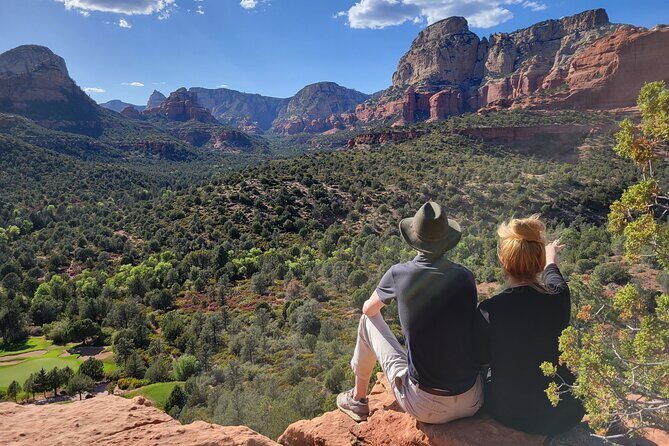
Sedona tours can swing between too fast and too chaotic. This one lands closer to calm-with-purpose, partly because of the group limit of 12 travelers. That helps in two ways: you get attention and you don’t feel like you’re sharing your viewpoint with a crowd that won’t let you linger.
Time at each stop is also thoughtfully distributed. The route has a short start, then structured longer moments for Airport Mesa, Peace Park, and Lover’s Knoll. You’re also not spending the whole day in transit, which keeps the day from feeling like a blur.
If you’re pregnant or you’re trying to travel with mixed energy levels, the structure is a real advantage. People have described the tour as a “perfect mix” of rest and activity, and they noted that even older adults in their group were able to participate across all stops. The terrain is still outdoors, so expect a little walking, but it is presented as mild and manageable for most people.
What You’ll Learn (And How the Guide Shares It)
The most praised part of this tour is the way guides teach. Names you may hear include Leo and Connor, and both are described as enthusiastic and engaging, with strong pacing at each stop. The best part is not just facts. It’s that the guide tries to help you experience the places in more than one way at once.
You’ll hear both science-and-land explanations (geology, terrain context) and the spiritual layer (vortex connections, cultural framing). Some guests find the input perfectly balanced. Others feel the amount of information can be a lot, especially if you prefer a lighter chat.
So here’s my practical advice: treat this like a structured lesson day, not a casual drive-through. If you want a relaxing tour with gentle narration, you’ll likely enjoy it. If you want silence, bring your tolerance for storytelling.
If photography is your thing, you’ll also appreciate that the timing supports getting shots at each viewpoint. It’s not only about standing there for a second.
Who This Tour Suits Best in Sedona
This experience is ideal if you want vortex sightseeing without spending your whole day hiking or stressing over parking. It’s also a great choice for first-timers who need orientation fast, because you’ll leave knowing which areas matter and why.
It’s especially well-suited for:
- Couples who want a shared “wow plus meaning” day
- Solo travelers who like talking with a guide and meeting a small group
- Families with mixed energy levels who still want key stops
- Travelers who are curious about both science explanations and spiritual perspectives
- People trying to fit in vortex viewpoints on a short schedule
If you already have a hiking plan lined up for the rest of your trip, this tour can work as the low-effort complement that still gives you big results.
Should You Book the Sedona Vortex Odyssey?
If you want Sedona vortex sites with minimal hiking, solid viewpoints, and a guide who connects the dots between geology and spiritual context, I’d say yes, book it. The small group limit and the structured timing help you see more than you would manage on your own in a half day.
But if you dislike metaphysical talk or prefer a mostly quiet, slow sightseeing pace, you may find the explanations intense. In that case, you might still enjoy the views, yet it could feel more like a guided lesson than a meditative stroll.
My bottom-line take: at $130 for 3 hours with transportation, parking, and multiple site stops included, this is a good value if you want interpretation and direction. If your goal is only to stand at famous overlooks with no talking, you may want a different kind of tour.
FAQ
How long is the Sedona Vortex Odyssey tour?
The tour runs for about 3 hours.
What does the tour cost?
The price is $130.00 per person.
How many people are in the group?
The tour has a maximum group size of 12 travelers.
Is the tour offered in English?
Yes, the tour is offered in English.
Where do we meet for the tour?
You meet at 105 Roadrunner Dr #9, Sedona, AZ 86336, USA, and the tour ends back at the meeting point.
Do I need to hike to see the best views?
The tour is designed so you can get great views without a long hike, and Lover’s Knoll is specifically positioned as a no-hike viewpoint.
What is included in the price?
The tour includes an air-conditioned vehicle and parking fees, and admission tickets are included for key stops.
Is gratuity included?
No. A 15% gratuity for the local guide is not included.
What happens if the weather is bad?
This experience requires good weather. If it is canceled due to poor weather, you’ll be offered a different date or a full refund.