REVIEW · SEDONA
Hopi Lands: Full-Day Archaeology and Culture Tour
Book on GetYourGuide →Operated by Arizona Tour & Travel · Bookable on GetYourGuide
Hopi Mesas and Sedona scenery in one long day. On this Hopi Lands full-day tour, you ride through Oak Creek Canyon in a small group, then spend time on Hopi mesa villages where the past still shapes daily life. You’ll see why this corner of Arizona is both jaw-dropping and deeply human.
I love the combo of big views and real contact: Painted Desert scenery plus hands-on stops with Hopi artisans and guides. I also like the way the day centers on relationships and context, with guides such as David and Brian cited for bringing strong, community-connected explanations—not just surface facts.
One thing to plan for: cameras are not allowed on Hopi Nation lands, so you’ll need to rely on memory, notes, and what your guide shares.
In This Review
- Key Highlights Worth Your Time
- From Sedona Into Diné Bikéyah: The Road Trip That Sets the Tone
- Painted Desert Stops: Color, Geology, and Why It Feels Sacred
- Three Hopi Mesas: More Than a Map Point
- Hopi Cultural Center on Second Mesa: The Meal and the People
- Time With a Hopi Guide at Walpi on First Mesa
- Getting There, Timing, and the Real Cost of a 12-Hour Day
- Price and Value: Is $328 Worth It?
- Small-Group Comfort, Comfort Tips, and the No-Camera Rule
- Who This Tour Suits Best
- Should You Book Hopi Lands?
- FAQ
- How long is the Hopi Lands tour?
- Where do you get picked up?
- Is lunch included?
- Are cameras allowed?
- Do children need a car seat?
- What’s the cancellation window?
Key Highlights Worth Your Time
- Oak Creek Canyon drive: one of the top scenic drives in the U.S., timed for sightseeing from the road
- Painted Desert views: color and geology that make the Southwest feel older than your imagination
- Three Hopi Mesas: visits that move across Second Mesa and First Mesa, plus other mesa areas during the day
- Second Mesa Hopi Cultural Center: an authentic Hopi meal and time to browse Hopi art and crafts
- Walpi on First Mesa: a walk with a Hopi guide focused on living traditions and village life
- No photography on Hopi Nation lands: you’ll photograph in your mind instead
From Sedona Into Diné Bikéyah: The Road Trip That Sets the Tone
This is the kind of day trip where the getting-there part matters. You start from Sedona hotel pickup (and Flagstaff pickup within city limits only) in a 14-person van. The group size is capped at 14, so it feels closer to a shared day with a guide than a cattle-call bus ride.
Then you roll into the scenic spine of northern Arizona. One of the first standouts is the ride through Oak Creek Canyon, often listed among America’s top scenic drives. You’re not just passing through—it’s a slow, view-friendly stretch where you can actually look out and take in the canyon walls and bends instead of fighting for a window in a packed tour.
The tour’s framing is also a big part of the experience. You travel across Diné Bikéyah, or Navajoland, as you head toward the Hopi Nation and reservation areas. That language matters because it reminds you you’re moving through living homelands, not a theme park route.
Practical tip: you’ll be in a touring van for a long day. Bring a layer. Even if Sedona feels warm, mesa air can shift fast, and you’ll feel it when you stop and listen for awhile.
Other archaeology and ruins tours near Sedona


Painted Desert Stops: Color, Geology, and Why It Feels Sacred
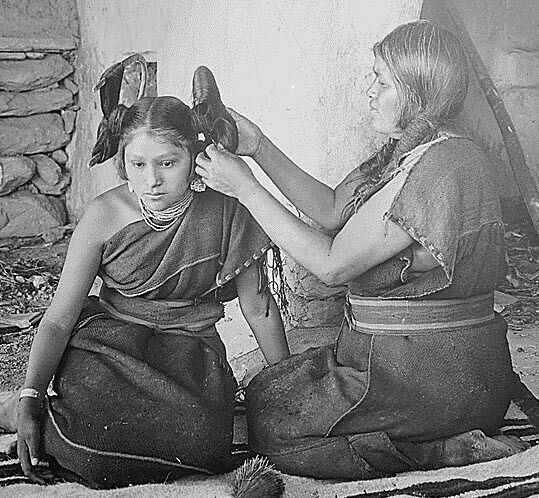
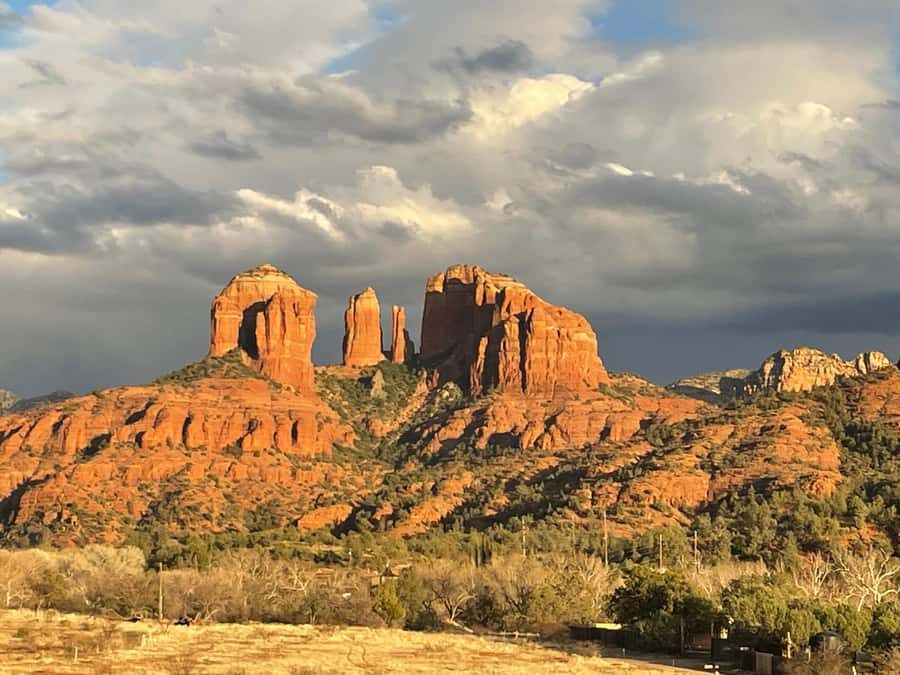
After the canyon, you’ll see why the Southwest gets described as otherworldly. The tour highlights the Painted Desert—and the key word here is color. But the better way to read those colors is through geology and time. The Painted Desert isn’t just pretty; it’s a lesson in how layers of rock can turn into a history you can see.
Your guide’s job is to translate what you’re looking at into something you can hold in your head. In a good tour, geology becomes story—how the land shaped movement, settlement, and daily life. Based on past guides described on this tour, you can expect explanations that connect the terrain to the cultures living there.
Also, don’t underestimate how effective a slow stop is. You’ll likely be watching, listening, and then stepping into brief viewing moments. If you rush through the Southwest, it turns into snapshots. Here, the pacing encourages you to actually look.
Practical tip: since cameras aren’t allowed on Hopi Nation lands, plan to use this part of the day for photos if you’re allowed to shoot outside those restricted areas. When in doubt, follow your guide’s cues and signage.
Three Hopi Mesas: More Than a Map Point
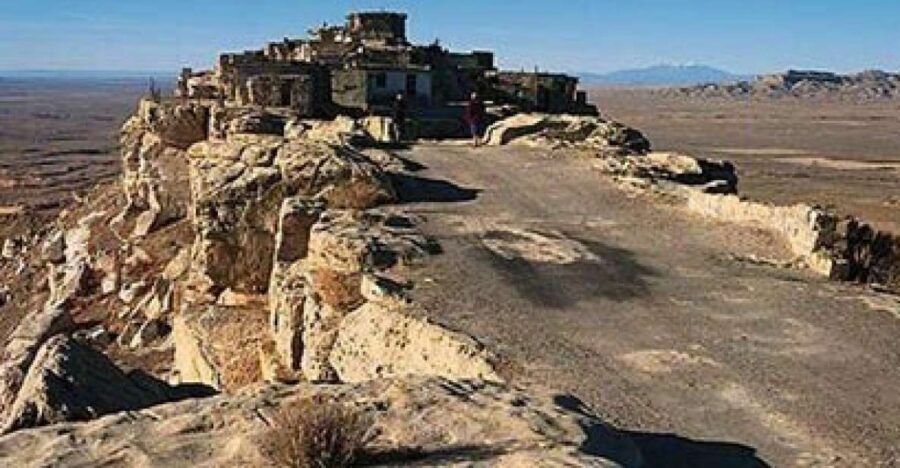
The core of the day is a Hopi-focused drive and village visit across the high rock Hopi Mesas. The big idea is that Hopi life has deep roots in place. These mesas aren’t interchangeable. First Mesa and Second Mesa have their own character, and you feel that difference as you move through the route.
The tour is designed to take you to villages atop all three high rock Hopi Mesas. That’s a valuable structure because it prevents the usual problem with cultural tours: you see one viewpoint, hear one story, and think you’ve covered the culture. Instead, you get multiple perspectives from different mesa locations, with the guide guiding you through what matters at each stop.
You’ll also learn that the Hopi presence in the Southwest spans more than 2,000 years. That number isn’t meant to impress you. It’s meant to reset your expectations. On this tour, you’re not looking at a reconstructed past. You’re visiting places where traditions are practiced now.
A note on respect: you’re stepping into spaces where community rules matter. The tour info is clear that you must respect the ways and wishes of the Hopi people, including the no photography requirement on Hopi Nation lands.
Practical tip: wear shoes you trust. Mesa village walks can mean uneven ground and steps. You want your feet to feel steady so you can focus on the conversation.
Hopi Cultural Center on Second Mesa: The Meal and the People
One of the most practical and rewarding parts of the day is the break at the Hopi Cultural Center on Second Mesa. This is where the tour shifts from driving views to meeting culture on its home ground.
You’ll enjoy an authentic Hopi meal here, and the lunch time also gives you a chance to slow down and talk. Food is one of the easiest entry points to understanding a culture because it’s everyday. You don’t need an encyclopedia to appreciate what’s on your plate, and your guide can explain what you’re tasting and why it matters.
Then comes the art side of the day. You’ll visit the Hopi Museum and Art Gallery, and you’ll likely have time to browse. The tour experience is designed so shopping doesn’t feel like a rushed stop. Instead, it pairs admiring work with learning context, so you know what you’re looking at and why it’s made that way.
If you’re a craft fan, you’ll also want to watch for artisans such as basket makers, pottery makers, and Kachina doll carvers. Not every tour will produce the same exact craft program at the same time, but the emphasis is consistent: this isn’t just looking at art behind glass. It’s about seeing making, skill, and meaning.
What I like about this stop: it gives you both learning and spending power—only here, your spending is also a way to support local artists. That’s better than buying souvenirs at the end of a rushed bus ride.
Practical tip: cash can help with purchases, but the tour data doesn’t specify payment methods. If buying matters to you, ask the guide what’s safest to bring that day.
Time With a Hopi Guide at Walpi on First Mesa
The final chapter of the day takes you to Walpi on First Mesa, described as the most original of the Hopi settlements. What makes Walpi different on this kind of tour is that you’re walking with a Hopi guide focused on traditions and village life—past and present.
This is where the day stops being about landmarks and starts being about people. You’re not just looking at a viewpoint; you’re listening to how traditions are explained by someone living them and sharing them in context. In the past, guides like David and Brian have been praised for making the land and culture feel alive through their personal connection and careful storytelling.
It’s also where the “small group” size pays off. In a group of 14, you can hear better, ask questions, and actually keep up without losing track of the guide’s thread. You’ll still spend a chunk of time listening, but it won’t feel like you’re being left behind.
And yes—remember the photo rule. Cameras are not allowed on Hopi Nation lands, and that affects the pace. You’ll take mental images instead. It’s a little strange at first, then it becomes easier: you pay attention to what your guide is saying, and the setting becomes part of the story in your head.
Practical tip: bring a small notebook. If photos aren’t allowed, notes are your best souvenir.
A few more Sedona tours and experiences worth a look



Getting There, Timing, and the Real Cost of a 12-Hour Day
This tour runs 12 hours. That’s a long day, and you should plan your expectations accordingly. You’re stacking scenic driving with museum and village time, plus meals and craft viewing. It’s not a quick hit; it’s a full cultural day with stops designed to keep the learning moving.
The value of the long day depends on what you want. If you’re the type who likes to collect stamps and check boxes, you may find it slow. If you’re the type who likes to sit with a guide and ask questions, the length helps—because it gives time for conversation rather than a nonstop drive-and-point routine.
Transportation details matter, too. Hotel pickup is included within Sedona city limits, and Flagstaff pickup is only within city limits. That means you want to confirm your exact pickup location so you don’t lose time at the start.
Also: this tour departs Tuesday only, and it has a required minimum of 4 participants. If you’re booking solo, you might need to wait for a small group to form or ask about group options in the 4–14 range.
Price and Value: Is $328 Worth It?
At $328 per person, you’re paying for more than a ride and a couple of photo stops. What you get includes:
- hotel pickup (Sedona city limits, with Flagstaff within city limits)
- all entry fees, permits, and taxes
- lunch and water
- a live English-speaking guide
- a small group limited to 14
When you add those costs up on your own, the price starts making sense—especially the permits/entry fees piece and the guided village walking portion. Cultural access often costs real money, and the tour format bundles those expenses into one ticket.
The other value is time. Driving to Hopi mesa areas, finding the right stops, and figuring out what’s allowed and what isn’t can turn into a stressful planning project. Here, the structure is already arranged for you, including the important camera restriction and the respectful interaction style.
My rule of thumb: this tour is a good deal if you want a guide-led day that handles logistics and keeps you moving between story-rich stops. If you’d rather drive yourself slowly and stop whenever you want, the cost may feel steep. If you want the guidance and access, $328 can feel fair.
Small-Group Comfort, Comfort Tips, and the No-Camera Rule
This is a small group tour in a 14-passenger van, limited to 14 participants. That matters because the day includes listening time, museum browsing, and village walking. You don’t want to spend your whole day jostling for space.
Comfort tips that help most on a day like this:
- Wear shoes for uneven surfaces and stairs.
- Bring a layer for morning or late-day shifts.
- Expect long stretches seated in the van.
Then there’s the biggest rule: cameras are not permitted on Hopi Nation lands. That’s not optional. It’s part of respecting community wishes, and the tour’s approach is consistent with that. The practical takeaway is simple: don’t plan on “getting your shots.” Plan on learning and remembering.
One more practical detail from past experiences on this tour: audio can be an issue if you’re farther back in the van. If that’s you, choose a seat closer to the front when possible, so you catch the guide’s explanations without strain.
Who This Tour Suits Best
This one fits best if you:
- want a cultural day with real guided walking, not just views from the road
- enjoy learning how land and community connect
- like artisan crafts and want time to look and ask questions
- can handle a long day (12 hours) and a no-photo rule in sensitive areas
It might not fit as well if you:
- need lots of photos or video for your travel record
- hate long van rides and prefer flexible, stop-when-you-want travel
- have kids who need booster seats and you don’t plan to bring them (more on that below)
Families should also note a key rule: children eight years and younger must be in a car seat/booster seat, and you provide your own for the tour. That can make your planning smoother, but only if you’re ready.
Should You Book Hopi Lands?
I’d book this tour if you want a structured day that connects scenery to living culture, with time at the Hopi Cultural Center, the Hopi Museum and Art Gallery, and a guided walk at Walpi. The $328 price starts to look reasonable when you factor in pickup, permits, entry fees, lunch, and the fact you’re visiting village areas where access and rules matter.
Skip it (or switch your expectations) if you’re traveling mainly for photos or you absolutely need camera freedom. This tour asks you to slow down, listen, and store the experience in your head instead of on your camera roll.
If your goal is to understand the Hopi mesas through guidance, conversation, and craft-focused stops, this is a strong choice.
FAQ
How long is the Hopi Lands tour?
It’s a 12-hour tour.
Where do you get picked up?
Pickup is included from Sedona City Limits hotels, and Flagstaff pickup is within city limits only.
Is lunch included?
Yes. The tour includes lunch and water.
Are cameras allowed?
No. Cameras are not allowed, and photography is not permitted on Hopi Nation lands.
Do children need a car seat?
Yes. Arizona law requires children eight years and younger to be in a car seat/booster seat, and guests must provide their own.
What’s the cancellation window?
You can cancel up to 24 hours in advance for a full refund. Less than that time or no-shows aren’t refunded.