REVIEW · SEDONA
Grand Canyon Hike from Sedona or Flagstaff with 7 Guest Limit
Book on Viator →Operated by Ma Pa Tours, INC. · Bookable on Viator
That first view of the Grand Canyon hits fast. This is a small-group day trip with a real guided descent below the rim, plus scenic driving through Oak Creek Canyon and the volcanic country on the way in. You get education from the guide, not just photos at the overlooks.
I love that the group size stays tight—no more than 7 hikers total—so you actually get questions answered and you can move at a human pace. I also like the fact that they plan for comfort during the hike: lunch, snacks, bottled water, and hiking poles/backpacks are included, which makes this feel more like a well-run day than a long bus ride.
One drawback to pencil in: this isn’t a casual stroll. You need to be able to hike 3–5 miles with about 1,000–1,500 feet of elevation change, and you should be ready for temperature swings.
In This Review
- Quick reasons this hike is worth your morning
- A small-group Grand Canyon hike from Sedona or Flagstaff
- The early drive: Oak Creek Canyon and the volcanic-field approach
- Grand Canyon South Rim: where the views start doing their job
- Going below the rim: the 3–5 mile hike that changes everything
- What makes the descent special (and what to watch for)
- Stops along the way: Oak Creek Canyon and Cameron Trading Post
- Oak Creek Canyon stop (Sedona departures)
- Cameron Trading Post stop
- Lunch, water, and gear: what’s handled and what you should bring
- Why I like the “gear provided” approach
- Your guide matters: what small-group hiking feels like with a pro
- Price and value: is $361.41 reasonable for a day like this?
- Timing, weather, and what to do with that 6am start
- Who should book this hike (and who might want another option)
- Should you book the Grand Canyon hike from Sedona or Flagstaff?
- FAQ
- What time does the tour start from Sedona?
- What time does the tour start from Flagstaff?
- How far do you hike in the Grand Canyon?
- Is lunch included?
- How big is the group?
- What hiking gear is provided?
- Are there extra fees besides the tour price?
- Do children need car seats?
Quick reasons this hike is worth your morning
- 7-person cap means less waiting, more time with the guide
- South Rim + a true descent so you experience the canyon’s scale, not just the edges
- Oak Creek Canyon drive (Sedona only) adds variety before you even start hiking
- Guide-led learning with a naturalist/historian style that goes beyond signboards
- Gear and food handled (poles, backpacks, lunch, snacks, bottled water)
A small-group Grand Canyon hike from Sedona or Flagstaff
If you’re short on time but want more than a quick look, this format makes sense. You leave early, drive in comfort, then spend your day combining big canyon viewpoints with a guided hike below the rim. The “7 guest limit” matters more than it sounds. With smaller numbers, you spend less time herding people and more time walking, resting, and asking questions.
This trip runs from Sedona or Flagstaff, and that choice changes the drive story. From Sedona, you’ll route through Oak Creek Canyon. From Flagstaff, you still get an impressive approach, but you skip that Oak Creek segment and lean more into the volcanic-field scenery on the way in.
You’ll also get a professional, certified guide and a van that’s climate controlled—helpful when the morning starts chilly and the afternoon warms up fast.
Other Grand Canyon day trips from Sedona
The early drive: Oak Creek Canyon and the volcanic-field approach
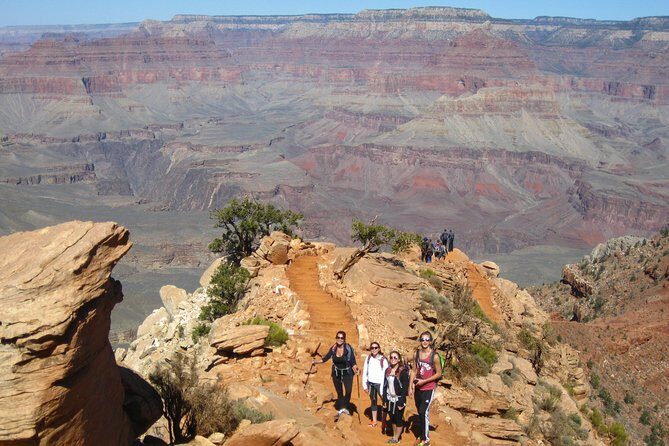
The day starts with pickup—complimentary hotel pickup from Sedona (including the Village of Oak Creek) and from Flagstaff within city limits. The Sedona departure window is 6:00–6:30am; Flagstaff typically goes 7:00–7:30am. Expect to be back around 6:00–6:30pm from Sedona and 5:00–5:30pm from Flagstaff.
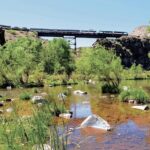
Why the long drive is part of the point: the scenery gives you context for what you’re about to see. The route through Oak Creek Canyon (Sedona departures) brings a different feel than the open canyon country—more life, more movement, more contrast. Then the drive into the broader region continues through San Francisco Volcanic Field scenery before you begin hiking.
This is also where the guide can set the stage. In particular, guides have a reputation for turning the drive into a mini-lesson. Some focus on the Grand Canyon’s formation and how to read what you’re seeing. Others tie in local history and what to watch for from the rim.
Practical note: you’ll want layers. Even in a desert state, mornings can feel cool and afternoons can get intense—especially before and after time in the shade.
Grand Canyon South Rim: where the views start doing their job
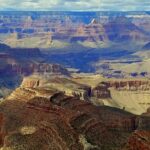
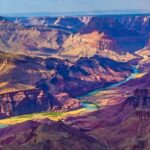
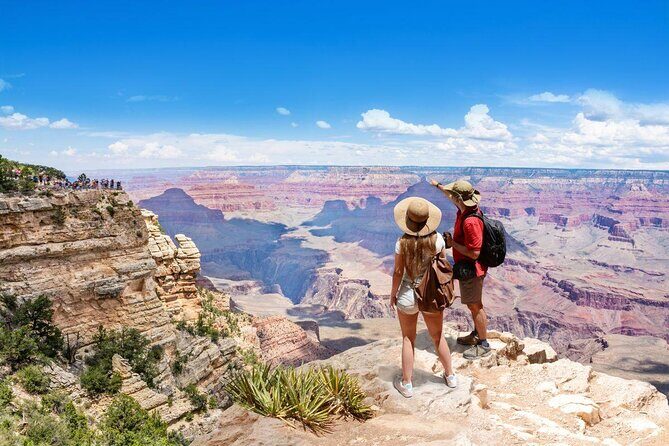
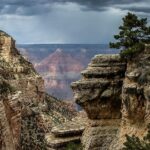
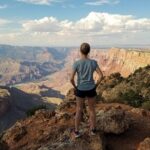
Your first stop is the Grand Canyon South Rim. This is the classic starting point, but the key here is that the rim views are treated as the warm-up, not the whole experience. Yes, you’ll get those big overlooks. But the guide uses them to help you understand what you’re looking at—so when you hike down later, the canyon isn’t just “wow,” it’s also “oh, that’s why it looks like that.”
From a practical standpoint, this is where you set your expectations for the day:
- You get a chance to orient yourself before you descend.
- You can gauge pacing and energy—important when you’ll be walking 3–5 miles with significant elevation change.
- You’ll learn how the route works so you don’t feel like you’re just following feet.
One thing I really value about guided rim time: you’re less likely to miss the small cues. Guides can point out features you’d otherwise walk past while busy snapping photos.
Going below the rim: the 3–5 mile hike that changes everything
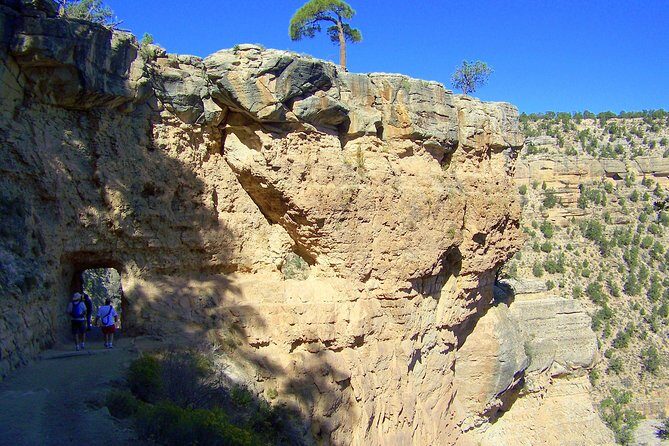
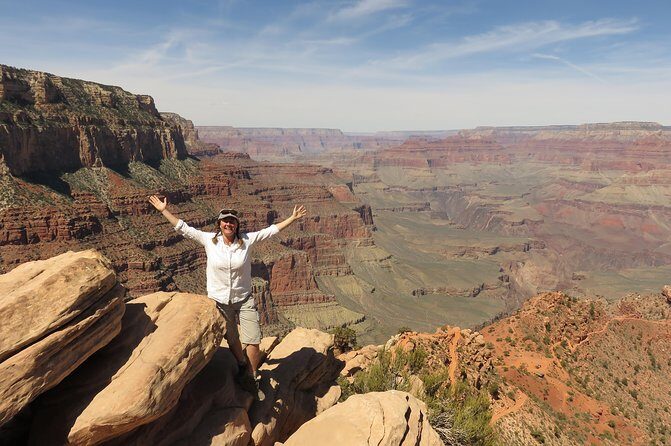
Here’s the heart of the tour: a guided descent into the Grand Canyon on one of the spectacular trails that allows you to experience the depth and scale. The hike length is typically 3–5 miles, and the elevation change is about 1,000 feet as a minimum requirement, with around 1,500 feet mentioned as the planning target. Either way, you’re going down and you’re going back up—so bring the mindset of a hike, not a sightseeing stroll.
The tour sets clear preparation expectations. You’ll do best if you can:
- Hike at least 3 miles
- Carry at least 2 quarts of water
- Handle about 1,000 feet of elevation change
- Be ready for temperature extremes
That water guideline is especially important. Even with bottled water and snacks included, you still need enough in your pack for the actual effort you’re doing.
What makes the descent special (and what to watch for)
The views from the rim are dramatic—but the canyon changes when you’re inside it. Trails below the rim let you see how layers stack, how light hits different surfaces, and how the canyon walls shape the wind and shade. You also get that “all senses” feel: the air cools in places, sound behaves differently, and you can feel the terrain underfoot.
A couple considerations if you’re the cautious type:
- Trail conditions can vary (and it’s always a good idea to wear shoes that feel secure on uneven ground).
- You’ll be doing a demanding walk at a set schedule, so you won’t linger for long detours unless the group and guide allow it.
Other Sedona hiking tours we've reviewed


Stops along the way: Oak Creek Canyon and Cameron Trading Post
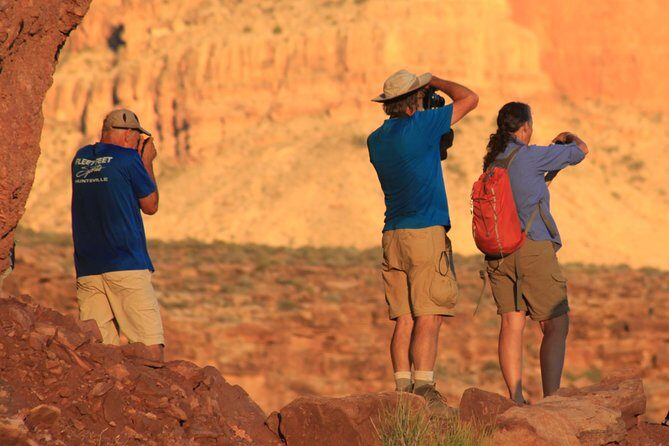
Oak Creek Canyon stop (Sedona departures)
If your tour starts in Sedona, the route includes Oak Creek Canyon as part of the day. This stop gives you a scenic break that feels separate from the Grand Canyon itself. It’s a nice reset before you tackle the hike—helpful when you want variety in the same day rather than a straight line from hotel to canyon to return.
Cameron Trading Post stop
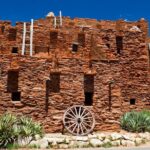
There’s also a stop at Cameron Trading Post. This is the kind of stop that works for real life during a long day: quick browsing, a chance to grab something extra if you want, and a moment to regroup before the big return drive.
It’s also useful because it helps you avoid the “I wish I’d eaten earlier” problem. The tour already includes lunch and snacks, but having flexibility during breaks is a plus when you’re managing energy.
Lunch, water, and gear: what’s handled and what you should bring
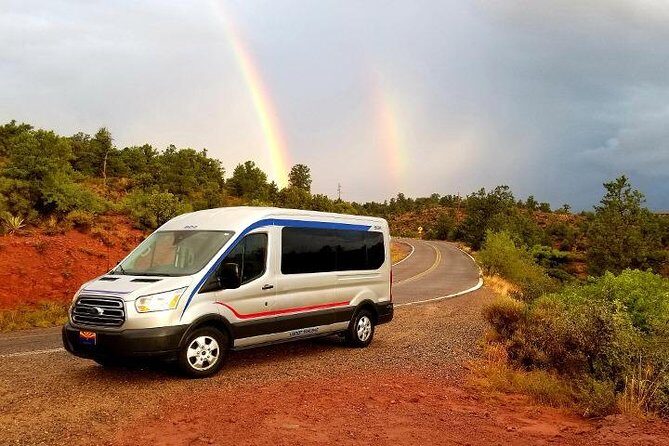
This tour is thoughtful about essentials. Included are complementary lunch, drinks, snacks, and bottled water. You’ll also get backpacks and hiking poles provided, which is a big deal if you don’t want to rent or pack gear.
Here’s what you should bring anyway:
- Extra layers (mornings and evenings can feel colder than you expect)
- Sunscreen
- Comfortable hiking shoes
- If you want, your own additional snacks for the hike
And keep in mind the water requirement. Even if bottled water is part of the plan, you should be prepared to carry at least 2 quarts during the hike, so your pack and water plan should match your effort level.
Why I like the “gear provided” approach
If you’ve ever done a hike where you realize halfway through that you should have brought poles or a better way to carry water, you’ll appreciate this setup. Provided hiking poles can reduce stress on knees during the descent and again on the way back up.
Your guide matters: what small-group hiking feels like with a pro
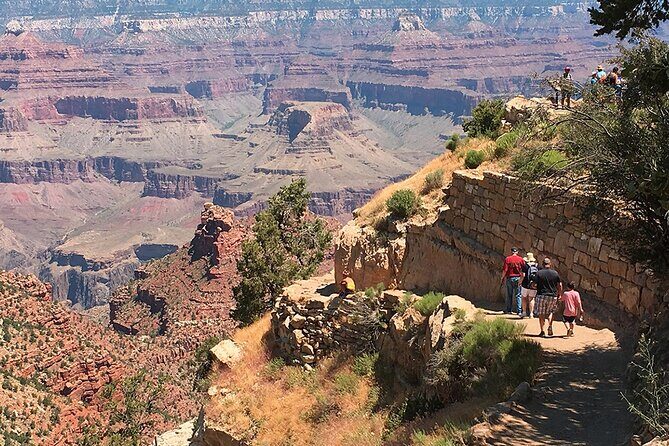
The guides can really shape the day. Names that come up often include Sheldon, Stanton, and Dom—and the common thread is strong storytelling plus patience.
One of the best examples: Sheldon has a knack for connecting the hike to memory. On the return, he’s described using a map he provided to explain exactly where the group hiked, without looking at it, and even adding a small gift at the end for some people. That’s the kind of personal touch that turns a hike into a lasting story.
Other guides, like Stanton, are praised for being both knowledgeable and patient—plus flexible when the group’s pacing changes. There’s also mention of Dom stopping at points of interest on the drive and keeping the hiking feel safe and well organized.
If you’re picky about your guide style (good news: most people are), the bigger clue is the small group size. With fewer people, the guide can adjust the plan without it turning into a scramble.
Price and value: is $361.41 reasonable for a day like this?
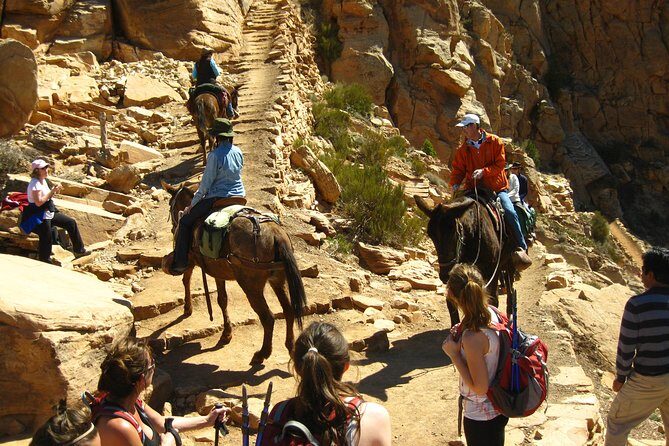
At $361.41 per person, this isn’t a cheap “bus and photos” outing. But when you break down what’s included, the value math looks better.
You get:
- Hotel pickup and drop-off from Sedona/Village of Oak Creek and Flagstaff (within city limits)
- A professional, certified guide
- A real hike below the rim (not just rim stops)
- Lunch, snacks, drinks, and bottled water
- Hiking poles and backpacks
- Small-group management (maximum 7 hikers, with six per hiking guide)
What’s not included can also affect your total. There’s a government fee of $100 per person, and gratuity isn’t included (a 15–20% tip is recommended if you enjoyed the tour). If you’re an international visitor, there’s also a nonresident fee notice that may add $100 USD per person for certain national park visits—handled directly by the tour company prior to your tour date for those eligible cases.
So is it worth it? For me, the deciding factor is this: you’re paying for time in the canyon, guided descent, and logistics handled. If you’d rather rent gear, drive yourself, and figure out the hike details, a DIY approach might cost less—but it also costs more in planning time and uncertainty.
Timing, weather, and what to do with that 6am start
This tour is weather-dependent in practice. The canyon hike works best with good conditions, and the experience uses weather to decide if it should run as planned. That means you should pack for both sun and cooler periods, and wear clothing that can handle quick temperature shifts.
The start time helps too. Leaving early gives you cooler temps for hiking and more favorable light for views. It also improves the odds of avoiding the worst of the day’s heat—especially on the descent and the climb back up.
Also, because this is a long day, plan your expectations. You’ll be awake early, walking mid-day, and returning late. If you try to treat it like a quick half-day, you’ll feel it. If you treat it like a full hiking day with a view payoff, it fits.
Who should book this hike (and who might want another option)
This one is ideal if you:
- Want a guided experience that goes below the rim
- Prefer a small group so the day feels personal
- Can handle a moderate-to-fairly active hike (3–5 miles with big elevation)
- Appreciate learning from a guide while you walk
You might want to consider a different option if you:
- Don’t feel comfortable with elevation change of roughly 1,000–1,500 feet
- Prefer mostly flat walking or longer breaks without climbing
- Know you’ll struggle with carrying water during the hike
If you’re traveling as a couple, this small-group format can feel especially good—more attention, less noise, and a day that still moves at a pace you can manage.
Should you book the Grand Canyon hike from Sedona or Flagstaff?
I’d book it if your goal is a Grand Canyon day that includes a real hike, not just rim viewpoints, and you want the comfort of pickup, lunch, and provided walking gear. The 7-person limit plus the guided descent is the main reason this tour works for value-focused travelers who still want something authentic.
I would hesitate only if you’re unsure about the hike requirements. The canyon is stunning, but your body has to do the work. If you can meet the 3-mile minimum, carry 2 quarts of water, and handle the elevation, you’re set up for a day that feels big, personal, and memorable.
FAQ
What time does the tour start from Sedona?
Sedona departures run at 6:00–6:30am, with return around 6:00–6:30pm.
What time does the tour start from Flagstaff?
Flagstaff departures run at 7:00–7:30am, with return around 5:00–5:30pm.
How far do you hike in the Grand Canyon?
The hike is described as 3–5 miles, with elevation change about 1,000–1,500 feet.
Is lunch included?
Yes. You’ll get complementary lunch, plus snacks and drinks, and bottled water.
How big is the group?
The experience has a maximum of 7 travelers total, and it notes a limit of six per hiking guide.
What hiking gear is provided?
They provide backpacks and hiking poles.
Are there extra fees besides the tour price?
Yes. A government fee of $100 per person is listed as not included. There’s also a note about an additional $100 USD nonresident fee for non-U.S. residents aged 16 and older for select national parks, handled directly with the tour company prior to the tour.
Do children need car seats?
Yes. Arizona state law requires that children eight years and younger use a car seat/booster seat, and you must provide your own.