REVIEW · SEDONA
From Sedona: Archeology and Nature Hike
Book on GetYourGuide →Operated by AZ Safari Jeep Tours · Bookable on GetYourGuide
A short hike can still feel like a time machine. This Sedona archaeology and nature hike mixes desert walking with Native American ruins, including pit houses and rock carvings, plus a guide who keeps the story moving. I like that the route is short (about 2 miles) but the ruins are real, not a recreated stop, and I also like the small group setup that makes questions easy. One thing to consider: the hike isn’t right next to the jeep, so you’ll need to be comfortable walking some distance on uneven ground.
You get two different kinds of learning here: what you’re seeing in front of you, and how your guide connects it to everyday life in the Verde Valley long ago. I especially liked how guides can make myths, symbols, geology, and plant life feel practical, not like a lecture, and seeing petroglyphs alongside the dwellings makes the whole area click. If you want a long, deep archaeology seminar with lots of time on-site, this tour may feel like a quick but focused introduction.
Good news: they provide walking sticks and water, and the jeep ride is open-air. The one drawback is that the tour depends on weather and there’s no onsite bathroom, so plan for a desert schedule and wear closed-toe shoes.
In This Review
- Key things I’d plan around
- From Sedona by open-air jeep: getting to the good silence
- The 150-minute flow: what you’ll do and why it works
- The 2-mile hike to petroglyphs and pit houses
- Pit houses, rock art, and the way a guide makes it readable
- The desert scenery part you’ll actually remember
- What to bring (and what to leave behind)
- Price and value: is $123 per person worth it?
- Who this works for (and who it doesn’t)
- Final call: should you book this Sedona ruins hike?
- FAQ
- Where do I meet the guide for the tour?
- How long is the experience?
- Is the jeep ride off-roading?
- How long is the hike?
- Is water and walking gear included?
- What kind of shoes should I wear?
- Are there bathrooms at the ruin site?
- Is this tour suitable for young children?
- What items are not allowed?
- Is the tour available in all weather?
Key things I’d plan around
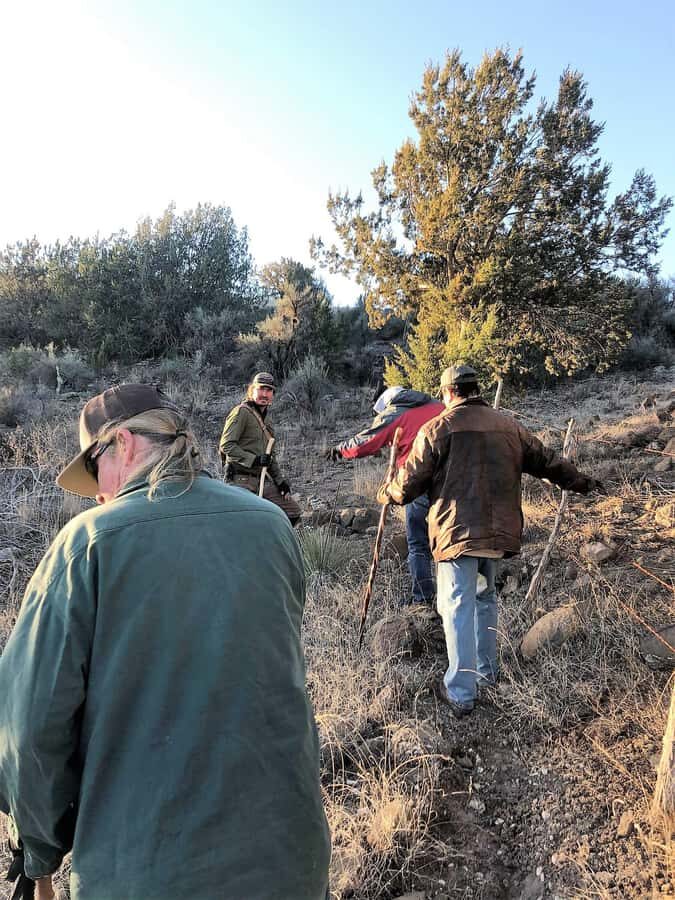
- Open-air jeep ride to a secluded spot with no off-roading on the route
- About a 2-mile moderate hike (not right where the jeep stops)
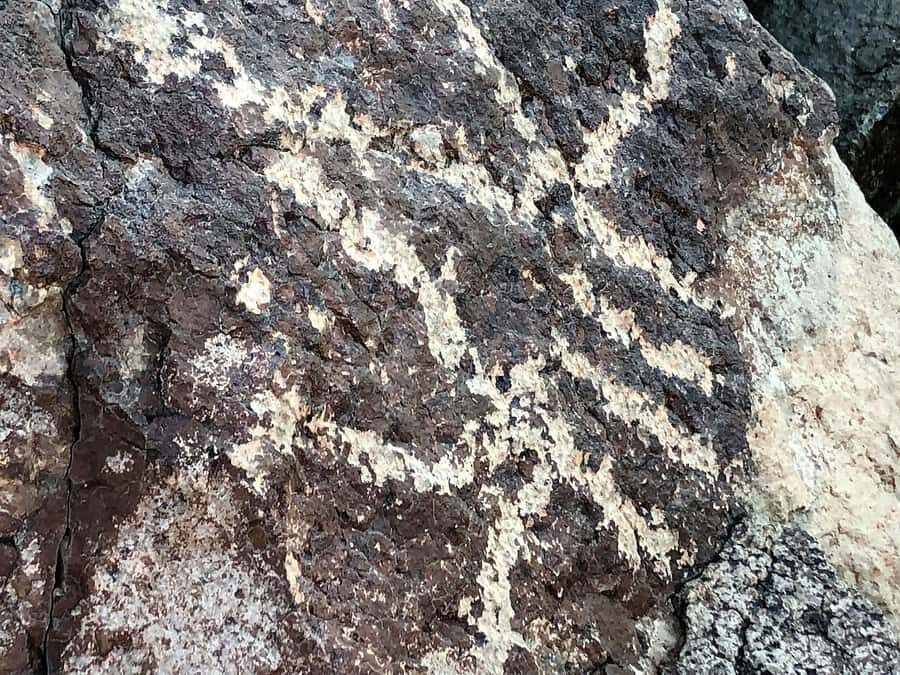
- 36 pit houses/dwellings plus petroglyphs and other visible features
- Walking sticks and water included, but bring your own comfortable closed-toe shoes
- Small groups capped at 8, which helps you get real answers
- Guide-led explanation that can be tailored on the trail, with examples from guides like Charlie and Moose
From Sedona by open-air jeep: getting to the good silence
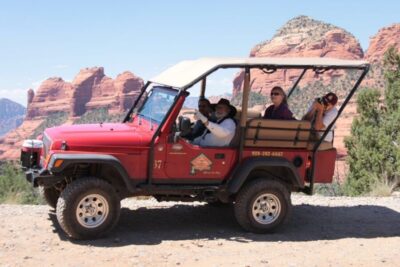
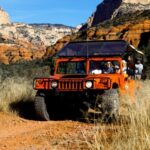
Most Sedona tours either drive you close and drop you off, or they turn into a driving show. This one starts with an open-air jeep from Sedona to a remote location that the guide has access to. It’s still part of the experience, not just transportation, because the drive helps you trade parking-lot noise for wide desert quiet before you ever lace up your shoes.
Two practical points matter here. First, there’s no off-roading, so you’re not bouncing over rough terrain just to get there. Second, the jeep doesn’t park at the ruins. You’ll hike a moderate distance from where the jeep stops, so treat the jeep ride like the first segment of the day, not the whole thing.
When I plan for a tour like this, I look for the sweet spot: short enough to fit into a trip day, but remote enough to feel like you left the crowds behind. This checks that box.
Other Sedona hiking tours we've reviewed

The 150-minute flow: what you’ll do and why it works
The entire experience runs about 150 minutes, so it’s built to cover the essentials without stretching into a half-day ordeal. You’ll meet at Safari Jeep Tours, 335 Jordan Rd, and you’ll want to arrive 30 minutes early so your group can get checked in and waivers handled before you head out.
Once you’re at the start, your guide sets expectations quickly: you’re going into desert conditions, you’ll be walking on natural ground, and you’ll be stopping to look at specific features in the ruins and surrounding area. There’s no bathroom onsite at the activity point, but a public restroom is nearby. If you’re the type who hates rushing at the last second, it’s worth using the nearby restroom before you start hiking.
Because the tour can take place depending on weather, you should also think in terms of timing flexibility. Desert ruins can be hot, and trail conditions can change. If conditions aren’t right, the tour may shift or be canceled—so don’t schedule it as your one single can’t-miss plan of the day.
The 2-mile hike to petroglyphs and pit houses
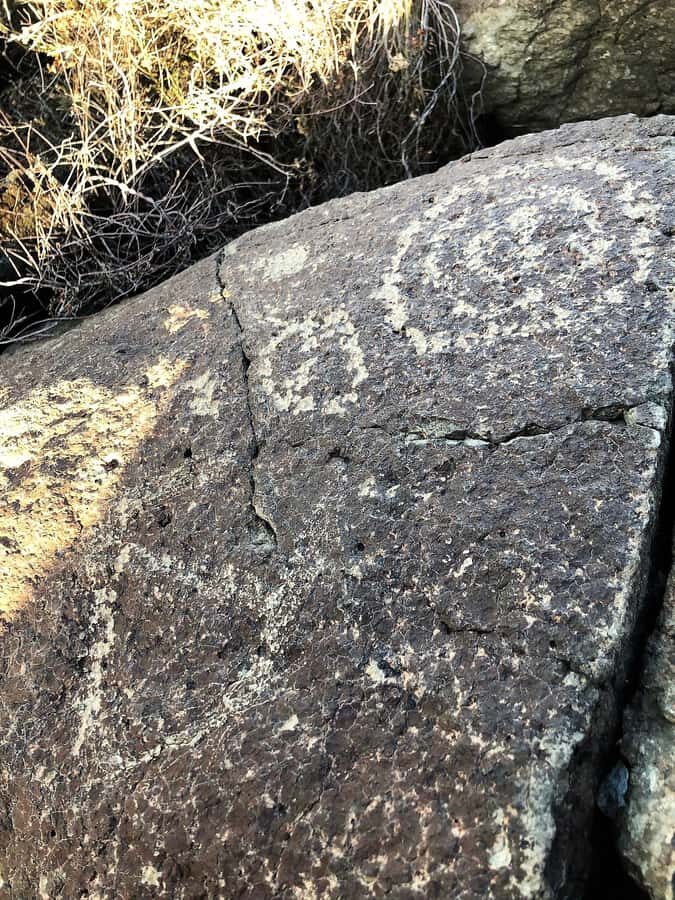
The headline is Native American ruins you can actually see: pit houses/dwellings and petroglyphs (rock carvings). The hike is described as moderate to difficult, but the distance is about 2 miles. In practice, that usually means the time isn’t just about mileage—it’s about uneven terrain, small pauses to observe details, and the fact that you’ll walk through desert scenery that can change quickly with sun and wind.
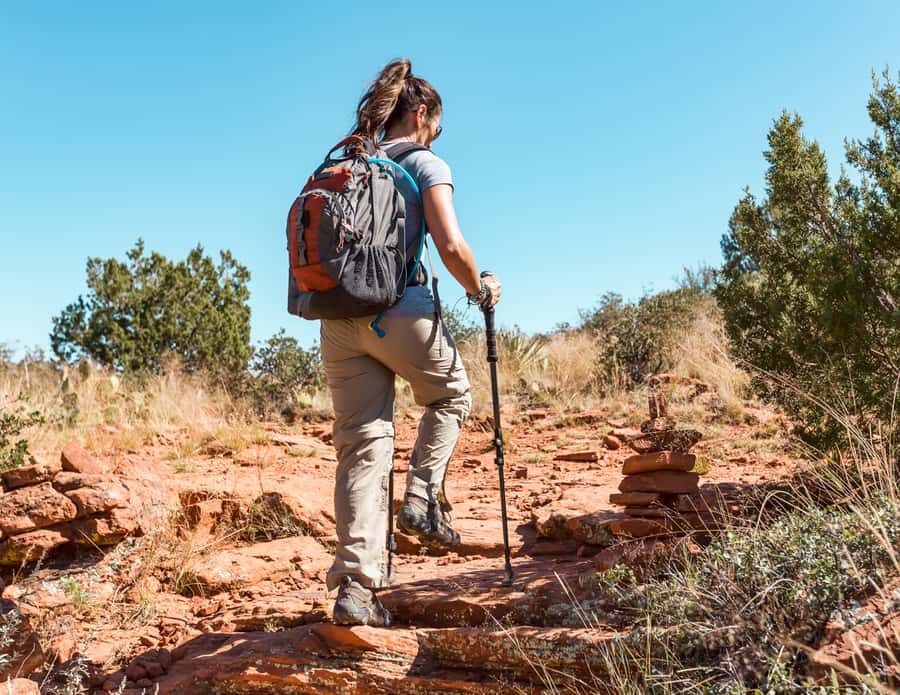
This is why shoe choice matters. You must wear closed-toe shoes—tennis shoes can work, but hiking boots or sturdy trail shoes will keep you more comfortable if the ground is rocky or uneven. The tour also includes walking sticks, which I think is a smart add-on for this kind of ruin-hike. Even if you’re a capable walker, sticks help you steady yourself during slower observation stops.
There are also basic wildlife realities. Bring a calm, quiet mindset. Don’t charge around the trail; slow down when your guide points out artifacts, and give the area room to stay what it is.
Whoever you are, keep this in mind: this isn’t a “sit and listen.” You’ll walk, you’ll stop, and you’ll look. If you can handle walking some distance from the jeep and you’re comfortable on natural ground, you’ll get a lot out of it.
Pit houses, rock art, and the way a guide makes it readable
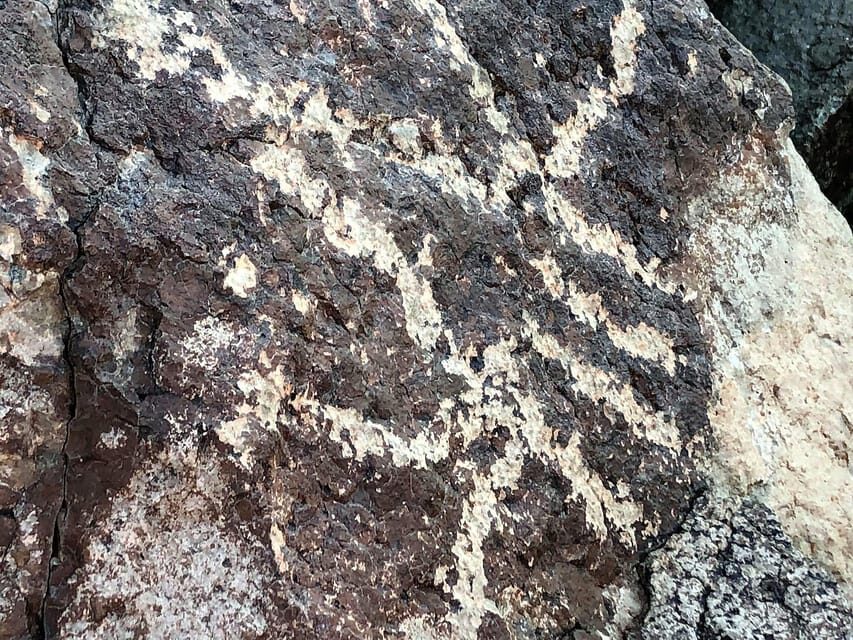
Here’s where the tour earns its keep: the ruins aren’t presented like random stones. Your guide points out artifacts and explains what they likely mean in context—how dwellings were used, how rock carvings fit into the area’s story, and how geology and plant life connect to survival in the Verde Valley region.
The tour’s not just “look at this.” It’s “look at this, and here’s how to interpret it.” That matters because petroglyphs and the outlines of old dwellings can be hard to read at first. With a good guide, you start noticing the details your eye would normally miss—placement, patterns, and how structures relate to one another.
This is also where the personality of a guide shows up. In the guide lineup, I’ve seen examples like Charlie, described as extremely knowledgeable and patient, including with kids who came along. I’ve also seen Moose highlighted as easy to talk to and well informed. You don’t need your guide to turn into a comedian, but you do want someone who can answer follow-up questions without rushing you.
One honest caveat: this is still a 2-mile hike with a limited time window. So while you’ll get a solid introduction—geology, plant life, and how Native peoples lived here—the tour is more “first good overview” than “months-long excavation breakdown.” If you crave deep technique and long artifact processing time, you might want a longer specialist program elsewhere.
The desert scenery part you’ll actually remember
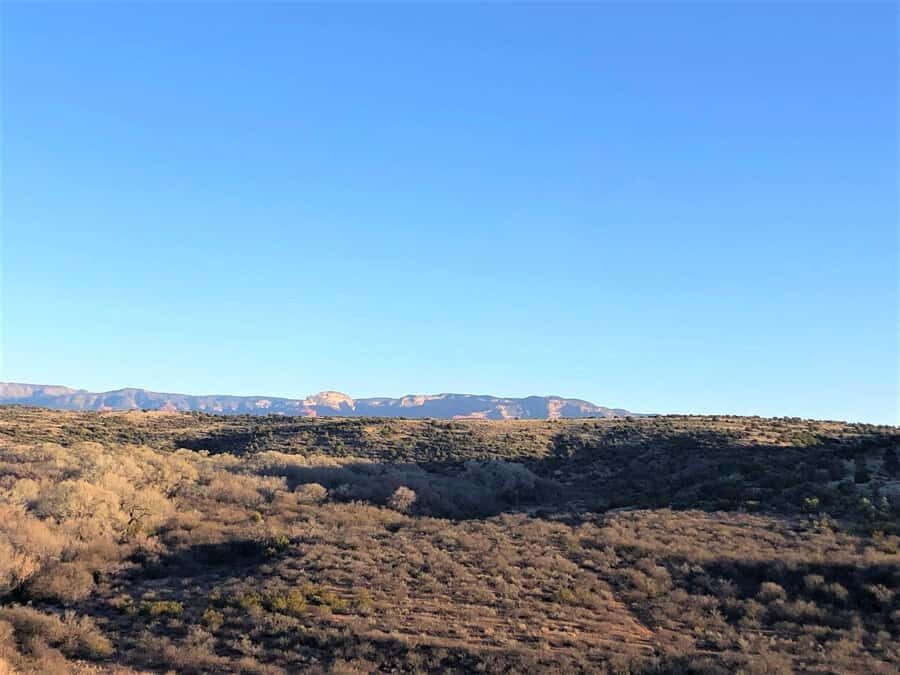
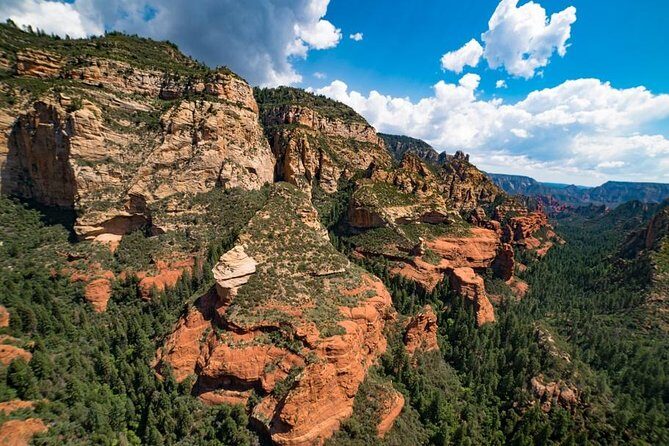
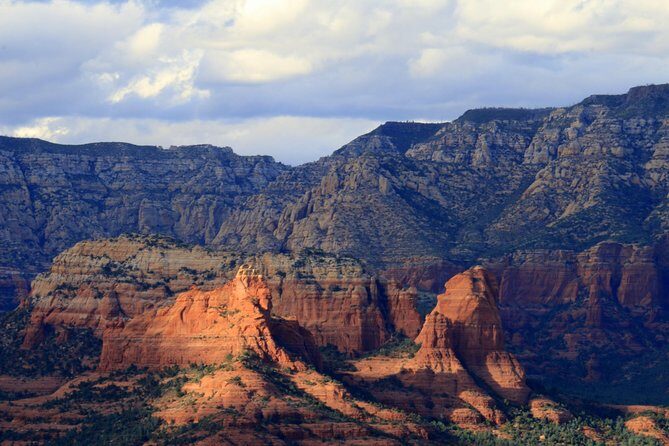
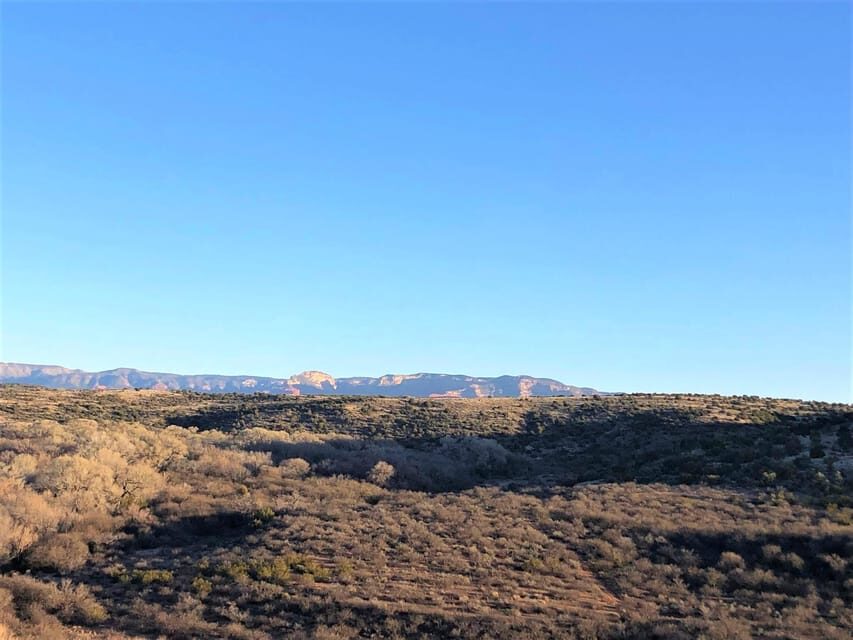
Sedona’s fame can make it feel like every view is designed for selfies. This tour’s advantage is that the scenery is tied to why humans were here—desert conditions shape where you build, what plants you notice, and how you move through the area.
So you’re not just getting picturesque desert backdrops. You’re using the surroundings as clues while the guide explains what the site suggests about past life. Expect stops that connect visible features to daily survival: water awareness, the logic of where people set up dwellings, and how the land’s natural features influenced living patterns.
If you’re the type who likes to learn while walking—rather than sitting in a museum—you’ll probably find this format satisfying. It’s active learning, with enough time to see the major features and ask questions.
Other archaeology and ruins tours near Sedona

What to bring (and what to leave behind)
This tour’s packing list is short, but it’s worth respecting. You’ll want:
- Hiking shoes or sturdy closed-toe shoes
- Comfortable footwear for uneven ground
- Any personal comfort items you normally use for desert walks
Included basics:
- Water (provided)
- Walking sticks (provided)
Leave behind:
- Luggage or large bags
- Glass objects
That last one is more important than it sounds. Desert areas can be rugged, and glass is a safety hazard on hikes. If you’re traveling light anyway, this rule isn’t a problem. If you tend to bring a camera bag that’s bigger than a daypack, plan to downsize.
Price and value: is $123 per person worth it?
At $123 per person for about 150 minutes, you’re paying for three things: access, a guide, and a guided hike that includes included equipment. The access part matters because you’re going to a secluded location with the guide’s exclusive reach, not just a public overlook. That’s part of what turns a “nice walk” into an archaeology-focused outing.
The guide is the other big value driver. In a tour like this, the difference between mediocre and memorable isn’t the distance—it’s interpretation. With small groups capped at 8, you’re more likely to get explanations that fit what you’re asking, not just what’s on a script.
So who gets the best value? You do if you:
- like short, guided nature walks with real human history
- want a desert introduction that’s more than just scenery
- prefer learning from a person on the ground who can point things out as you go
Who might feel it’s not enough? If you’re expecting a long guided training session, or if you want every pit house mapped and analyzed in detail, the time limits will show. This tour is designed as an engaging intro, not a full field course.
Who this works for (and who it doesn’t)
This is clearly not a universal hike. It’s not suitable for children under 5, and it also isn’t recommended for pregnant women, people with recent surgeries, and anyone with mobility impairments or limited ability to walk. The site isn’t near where the jeep parks, and the hike involves getting to and through the ruin area.
If you’re a regular walker who can handle uneven terrain and you’re comfortable in desert conditions, you’ll likely do well—especially with walking sticks and a small group.
I’d also think about your expectations. This is best for people who enjoy combining:
- nature observation
- human history
- guided interpretation on foot
If you’re trying to do this as a “quick photo stop,” you may feel rushed. If you like looking closely, you’ll enjoy the stop-and-see rhythm.
Final call: should you book this Sedona ruins hike?
I’d book it if you want a compact tour with real Native American features—36 pit houses/dwellings and petroglyphs—handled in a guided, on-the-trail way. The open-air jeep makes the start feel like part of the story, and the small group size helps you actually interact. When guides like Charlie or Moose are involved, the explanations can turn the ruins into something you understand rather than something you walk past.
I’d skip it if you can’t walk from the jeep to the ruins comfortably, if heat and desert conditions stress you out, or if you’re looking for a long, highly technical archaeology experience.
If you’re on the fence, pick based on your hiking comfort first. The history part is a bonus that you can only appreciate if you can actually get to the site and slow down to look.
FAQ
Where do I meet the guide for the tour?
Meet your guide at Safari Jeep Tours at 335 Jordan Rd.
How long is the experience?
The tour lasts about 150 minutes.
Is the jeep ride off-roading?
No. It’s a pavement-only jeep ride and there’s no off-roading on this tour.
How long is the hike?
It’s about a 2-mile hike.
Is water and walking gear included?
Yes. Water and walking sticks are included.
What kind of shoes should I wear?
Wear closed-toe shoes. Comfortable tennis shoes or hiking boots are recommended.
Are there bathrooms at the ruin site?
There is no bathroom onsite, but a public restroom is nearby.
Is this tour suitable for young children?
No. It’s not suitable for children under 5 years old.
What items are not allowed?
Luggage or large bags and glass objects are not allowed.
Is the tour available in all weather?
The tour runs depending on weather conditions.