REVIEW · SEDONA
Sunrise Wildlife Safari Tour by Jeep from Sedona
Book on Viator →Operated by Arizona Safari Jeep Tours · Bookable on Viator
A sunrise Jeep ride beats a late start almost every time. This Sedona safari leans into that cooler, quieter window to help you spot resident animals in the right habitats, while your guide explains what you are seeing and why it matters. You are also rolling through changing terrain near Sedona as you learn how different ecological zones support different wildlife.
Two things I really like: the small-group size (kept to a low cap) and the guide-led wildlife education that goes beyond just driving and hoping. You are given bottled water and you get a professional guide to help you read animal behavior, not just check a sightings box. One consideration: wildlife sightings are never guaranteed, and on slower mornings you may end up with fewer animals than you expected.
In This Review
- Key highlights to know before you go
- Why a 5:00 am departure is the best time for Sedona wildlife
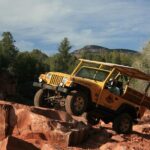
- Sturdy Jeep + small-group feel: how the guide shapes the trip
- The route’s three ecological zones: what you’ll look for on each stretch
- The first stretch: leaving Sedona and reading the terrain
- The middle stretch: the zone where sightings can pop
- The final stretch: where animals hold to their routines
- Wildlife expectations: a strong chance, but not a guarantee
- Gear and comfort: layers for a cold sunrise Jeep ride
- Price and logistics: what $124.97 buys you
- Who should book this sunrise safari—and who might skip it
- Should you book the Sedona sunrise Jeep wildlife tour?
- FAQ
- FAQ
- What time does the sunrise Jeep tour start?
- How long is the tour?
- Where do I meet for the tour?
- What’s the price per person?
- How big is the group?
- What animals might I see?
- Is the tour available year-round?
- What’s included in the ticket price?
- Is tipping included?
- What are the cancellation terms?
Key highlights to know before you go
- 5:00 am departure puts you out before the day gets crowded and before animals retreat
- Professional guide helps you understand behavior and local ecology on the move
- Three ecological zones on one route, so you are not just driving through the same scenery
- Mobile ticket means less hassle when you arrive
- Small-group cap keeps attention more focused than big buses
- Early-morning chill can be real, especially on a Jeep ride at sunrise
Why a 5:00 am departure is the best time for Sedona wildlife
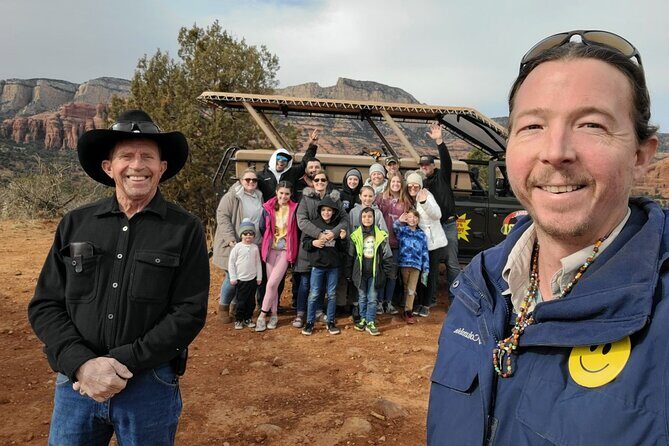
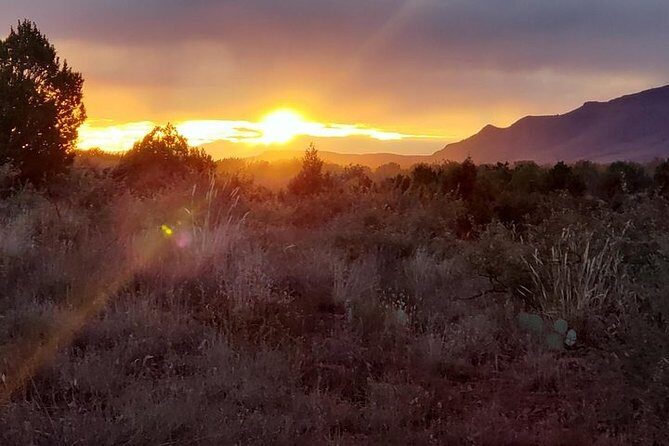
This tour is timed for the pre-sunrise hours. The start time is 5:00 am, and the experience runs about 3 hours 30 minutes total. That matters because early morning tends to be when animals are more active. It is also when the air is cooler, which can make both the ride and the spotting more comfortable.
You also benefit from fewer people in the area. Less noise and fewer eyes usually means wildlife stays in its rhythms a bit longer. You will still need patience, but the timing stacks the odds in your favor.
Other Jeep tours we've reviewed in Sedona
Sturdy Jeep + small-group feel: how the guide shapes the trip
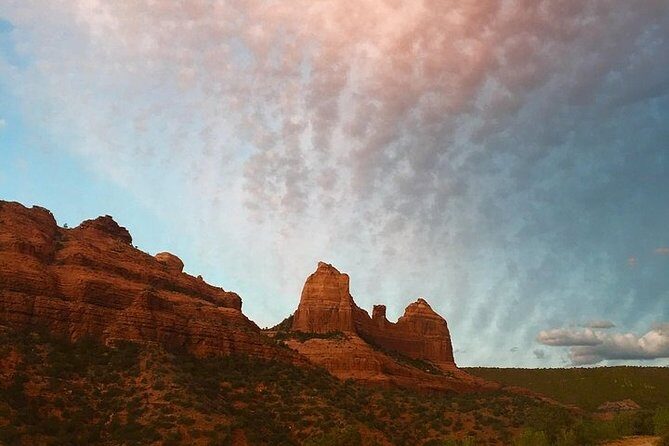
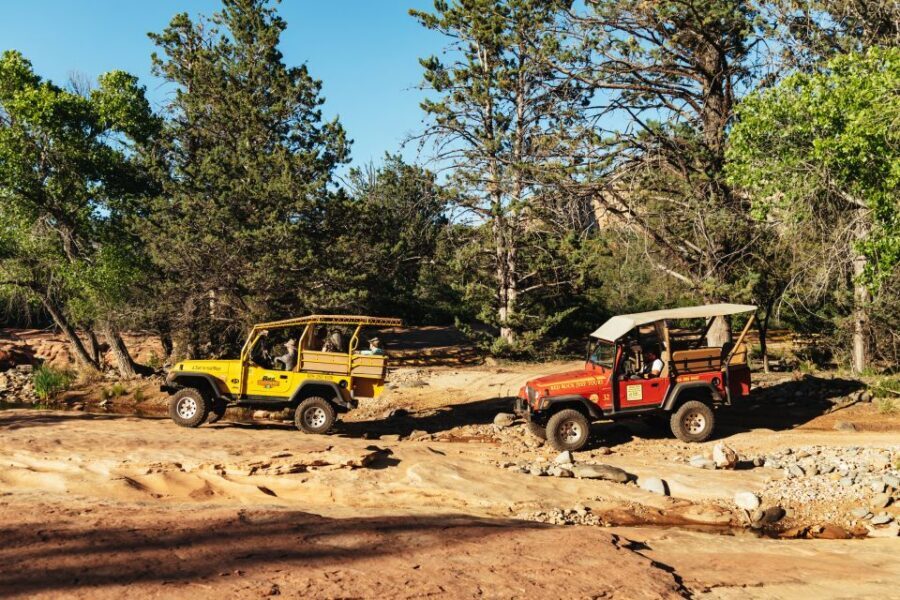
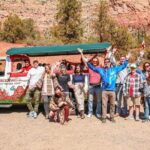
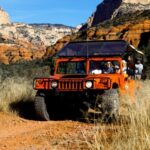
You meet at 335 Jordan Rd, Sedona, AZ 86336, then load into a Jeep with a guide. The tour is built for a low headcount, with the experience details listing a maximum of 10 travelers. That smaller scale is one reason this kind of tour works: you are more likely to get a quick explanation of what you are seeing and where to look next, without tuning out over loud chatter.
The guide is not there to fill time. You are there to learn. The tour includes a professional guide who explains animal behavior and the background behind the three different environmental regions you pass through. The goal is simple: help you notice movement, track signs, and understand why certain animals show up in certain habitats.
One detail that comes up in guide feedback is handling early cold conditions well. If you are worried about chilly Jeep rides, you will want layers anyway, but it is reassuring when guides like Gabriel are prepared to make comfort part of the plan.
The route’s three ecological zones: what you’ll look for on each stretch
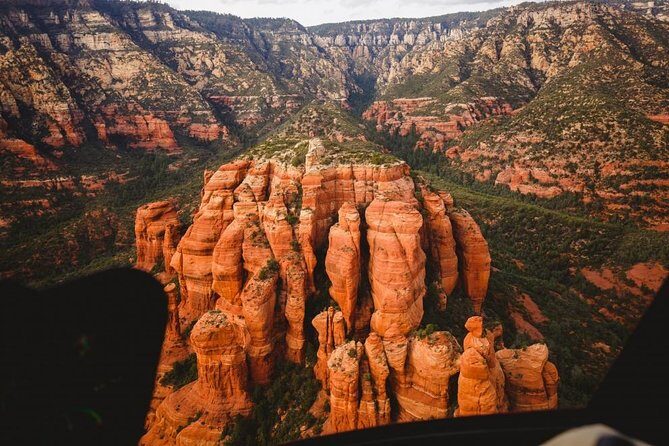
The safari takes you through three biological zones near Sedona. The exact names of those zones are not spelled out here, but you will feel the shift quickly as the terrain changes and the habitat types change with it. The guide ties those changes to what lives there.
Here is how to think about the ride, in three practical chunks:
The first stretch: leaving Sedona and reading the terrain
Soon after you roll out of Sedona, the surroundings change. You go from more built-up areas to outback-style terrain. This is where your guide starts framing the ecology—how habitat type influences which animals you might see and how they behave during active hours.
What to do: watch for stillness. Animals that will move later may be stationary now. Also look for the places food and cover overlap—where the habitat looks like it offers both safety and feeding.
The middle stretch: the zone where sightings can pop
In the second region, the habitat usually feels different enough that your odds shift. This is where the tour’s wildlife focus really comes alive: the guide points out behavior patterns and explains what you might notice if you are new to wildlife watching.
What to do: slow down your scanning. Instead of looking everywhere, pick a few spots (tree lines, edges of open areas, where the ground looks more consistent) and watch them. Animals often show up as small changes—head movement, a pause, a sudden dash.
The final stretch: where animals hold to their routines
The third ecological region is your last main opportunity before you head back. Resident animals may stick around their usual routes, especially early. Your guide’s job here is to keep you grounded in what makes this habitat different from the last one, so your attention stays useful.
What to do: keep your expectations flexible. Some mornings bring larger mammals. Other mornings are more bird-and-small-wildlife heavy. Either way, the guide’s ecology lesson helps you understand what you are seeing, even when the big moment does not land.
Wildlife expectations: a strong chance, but not a guarantee
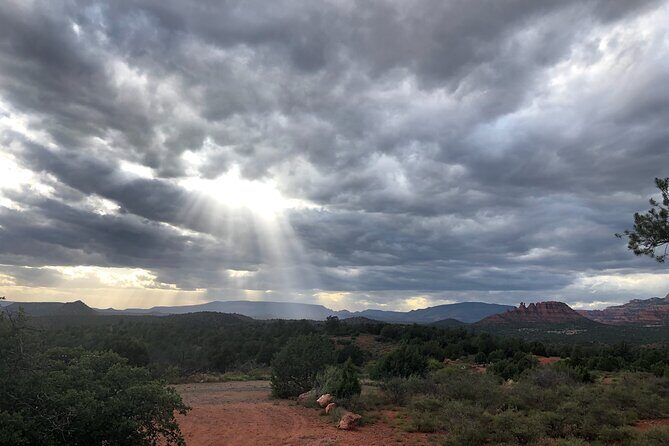
The tour is designed for animal sightings. The wildlife examples provided include black bears, elk, foxes, turkeys, and more. The whole point of going at sunrise is that animals tend to be more active when it is cooler and quieter.
Still, wildlife is wildlife. There are mornings when you might only get a single standout sighting, like birds, and nothing that feels as dramatic as you pictured. One write-up described seeing mostly a raven, and the key takeaway is that your best results come from going in ready to learn, not ready to collect a checklist.
How to set yourself up for success:
- Treat the guide’s explanations like a spotting tool, not just commentary.
- Stay alert through the whole 3.5-hour ride, not just the first 30 minutes.
- Expect variety more than certainty. Even if you miss the largest animal, you can still come away with real wildlife understanding.
Gear and comfort: layers for a cold sunrise Jeep ride
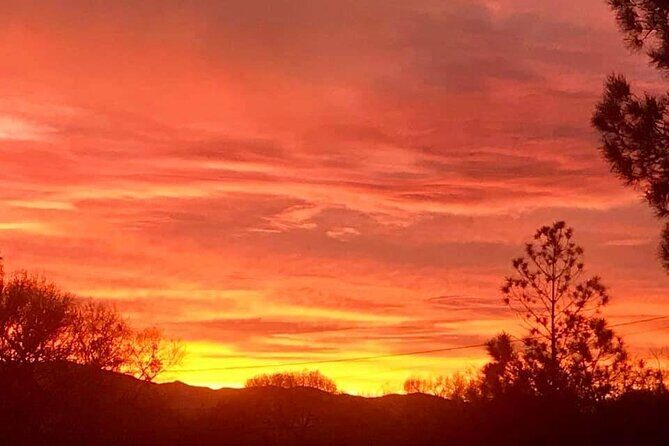
The tour runs before sunrise and starts at 5:00 am, which often means temperatures are at their lowest. Even if Sedona mornings can feel mild later in the day, early starts can catch you off guard. Plus, the Jeep ride can be open-air depending on how the operator runs things, and cold-weather comfort is something one guide handled proactively.
Pack smart:
- Dress in layers you can peel on the move.
- Wear warm gloves if you get cold hands easily.
- Bring a hat and something for wind.
The good news: bottled water is included, so you can focus on staying comfortable and paying attention.
Price and logistics: what $124.97 buys you
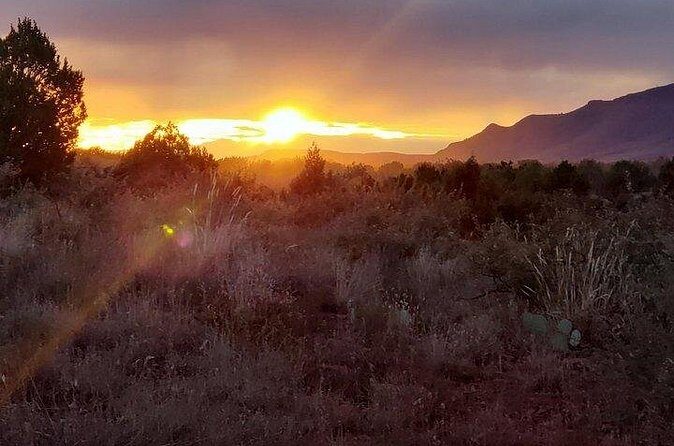
The price is $124.97 per person. Is that a deal? It depends on what you want out of the morning. You are paying for:
- A professional guide (not just a driver)
- A Jeep safari experience during a specific wildlife window
- Local taxes
- Bottled water
- A mobile ticket so check-in stays easy
What is not included: gratuities. Also, there is an automatic 18% gratuity charged for parties of 8 or more at check-in. If you are traveling as a smaller group, you should still budget for tip. That changes the real total in your head.
So, is it worth it? If you value the guide’s ecology explanations and you want the early-morning, small-group setup, the cost makes more sense. If you just want the cheapest way to see animals, you might feel like you are paying premium dollars for the luck of a sighting. This is the classic wildlife-tour trade: you are buying the setting and expertise, not an animal guarantee.
One more practical note: this tour tends to be booked ahead (on average, about 41 days in advance). If you have fixed dates, book sooner rather than later.
Who should book this sunrise safari—and who might skip it
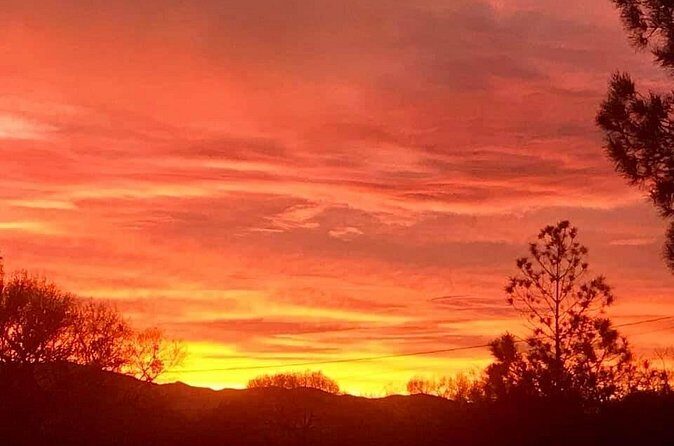
This tour fits best if you:
- Enjoy wildlife watching with a real educational component
- Prefer small-group outings over large tours
- Want to see Sedona from the side where animals live, not just from scenic pull-offs
- Can handle an early start and cooler morning temps
It also says most travelers can participate, and service animals are allowed. If you are hoping to get mobility-stretching time or a slow walk, this is more of a ride-and-spot experience than a hiking tour.
I would be cautious if you:
- Need guaranteed black bear or elk sightings
- Get disappointed when the day is light on big mammals
- Hate chilly mornings and open-air conditions
Should you book the Sedona sunrise Jeep wildlife tour?
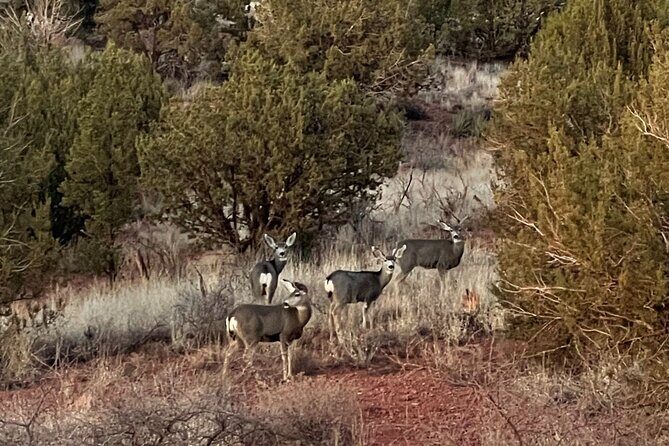
I think it is a good book if you show up with the right mindset. The best part is not just the potential animals—it is the way the guide connects behavior to habitat across the three ecological zones. That makes the morning worthwhile even when wildlife sightings are modest.
If you want a checklist-style hunt for specific animals, you may feel frustrated. But if you want to learn how the ecosystem works and spend three-plus hours in the field at the right time of day, this is the kind of outing that tends to reward attention.
FAQ
FAQ
What time does the sunrise Jeep tour start?
The sunrise option starts at 5:00 am.
How long is the tour?
It runs about 3 hours 30 minutes.
Where do I meet for the tour?
Meet at 335 Jordan Rd, Sedona, AZ 86336, USA. The tour ends back at the meeting point.
What’s the price per person?
The price is $124.97 per person.
How big is the group?
The experience details list a maximum of 10 travelers, and it’s described as a limited small-group safari.
What animals might I see?
The tour description highlights possible sightings of black bears, elk, foxes, turkeys, and other resident wildlife.
Is the tour available year-round?
No. It is listed as seasonal, so it is not available all year.
What’s included in the ticket price?
Included are local taxes, a professional guide, and bottled water.
Is tipping included?
No. Gratuities are not included, and there is an 18% automatic gratuity for parties of 8 or more.
What are the cancellation terms?
You can cancel for a full refund if you do it at least 24 hours before the experience starts. Cancellation is listed as free otherwise.